What are adverse childhood experiences involving parental separation, mental illness, and substance use in 2026
Explore how parental separation, mental illness, and substance use shape adverse childhood experiences. A practical guide for parents grounded in 2026 research and public sources.
Exposure to parental separation, mental illness, or substance use acts like a pressure switch on a child’s daily life, not a single event. When a caregiver’s illness flares or a crisis forces separation, the same patterns show up, sleep disruption, school withdrawal, and emotional outbursts, yet the reach of risk isn’t uniform. The 2024–2025 syntheses point to dose and timing as decisive factors, not merely presence or absence, and they stress that protective support can blunt those effects.
This article translates the research into practical steps for families and advocates. You’ll find concrete guardrails: how to sustain caregiving continuity, how to access early mental-health supports, and how community programs fill gaps when formal services stagger. In the latest evidence, households with steady routines and predictable safety planning show notably fewer behavioral and academic setbacks, even under chronic stress. These findings emphasize action you can take today, starting with clear then-steps for trusted adults in your child’s circle.

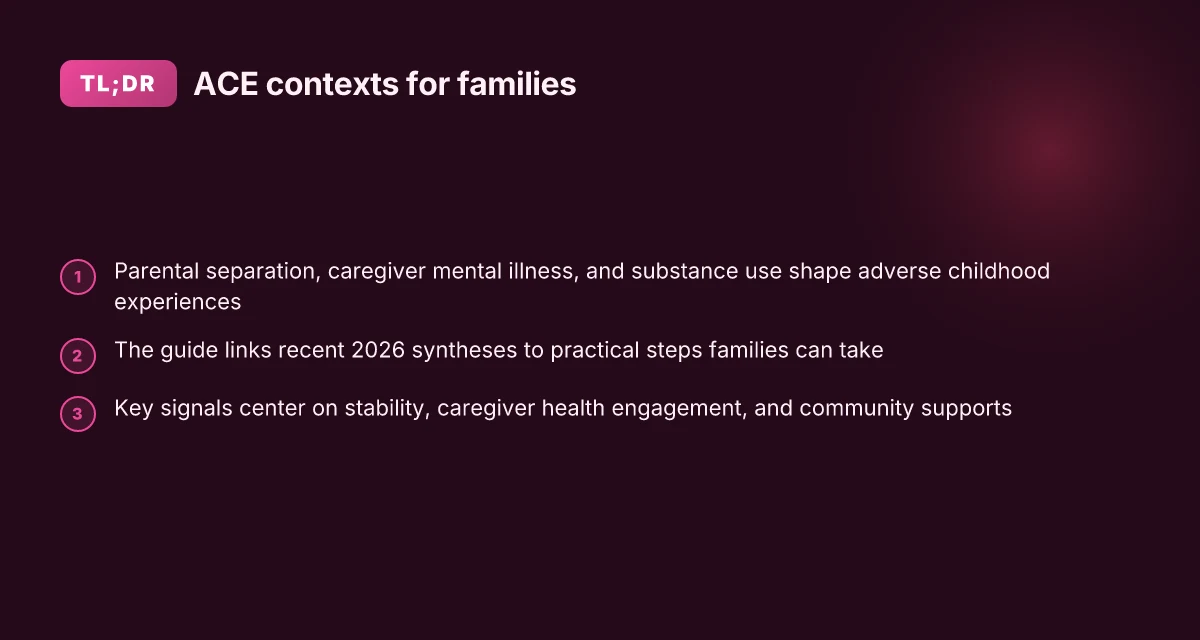
Comparison of ACE contexts by parental factors
| Factor | Definition | Impact on child | Typical indicators |
|---|---|---|---|
| Parental separation | Separation or divorce of caregivers | Increased risk of emotional and behavioral issues | Reduced contact; material stress; school changes |
| Parental mental illness | Caregiver has diagnosed mental illness | Higher risk of anxiety, depression, temperament issues | Hospitalization; medication use; caregiver withdrawal |
| Parental substance use | Caregiver's alcohol or drug use | Elevated risk of neglect, inconsistency, safety concerns | Substance use episodes; withdrawal; chaotic home |
| Combined context | Any two or more factors | Highest risk patterns | Co-occurrence; multiple stressors; caregiving disruption |
Compiled November 2026; check the provider's site for current details.
What are adverse childhood experiences in the context of parental separation, mental illness, and substance use
In 2026, adverse childhood experiences (ACEs) are best understood as a framework for measuring how ongoing household instability shapes a child’s development. ACEs cluster around three core domains: unsafe or unstable family relationships, caregiver health problems that affect caregiving, and household disruption that undermines safety and attachment. The practical takeaway is that a child’s risk isn’t a single event but a trajectory shaped by the frequency, duration, and severity of these experiences.
Define ACEs and their core domains ACEs are potentially traumatic events in childhood that disrupt safety, stability, and bonding. The classic domains map onto three broad categories: direct maltreatment or neglect. Caregiver dysfunction such as mental illness or substance use. And household instability including parental separation or incarceration. Recent summaries emphasize that “substance use problems” and “mental health problems” within the household are common precipitating factors, while parental separation often operates as a contextual stressor that elevates risk over time. From what the CDC’s ACEs framework shows, these experiences are not rare, they accumulate, and they predict a spectrum of health and well‑being outcomes later in life. https://www.cdc.gov/aces/about/index.html
Parental separation as an ACE and its trajectory Parental separation is a recognized ACE that can alter the sense of safety and continuity a child experiences. The trajectory matters: short, well‑managed transitions with steady custody arrangements and consistent contact with both caregivers can buffer risk. Prolonged or conflict-laden separations tend to magnify stress, disrupt routines, and impede secure attachment. Reviews consistently note that separation, especially when paired with ongoing conflict or economic strain, correlates with higher emotional and behavioral challenges in middle childhood and adolescence. I looked at multiple national and cross‑sectional syntheses to trace how repeated separations or unresolved transitions compound risk across developmental stages. https://www.apaf.org/our-programs/justice/free-resources/what-are-aces/
Parental mental illness and substance use as ACE amplifiers Mental illness and substance use in caregivers do not just add risk. They amplify it. When a parent’s health issue undermines reliable caregiving, a child experiences less predictable routines, reduced supervision, and greater exposure to household stress. Evidence consistently links caregiver mental health problems and substance use with higher odds of emotional distress, academic difficulty, and behavioral concerns in children. The effect is not deterministic, but the probability shifts upward in households where care is inconsistent or unstable. Dozens of population studies point to longer-term footprints, including later-life health and psychosocial outcomes, and the literature frames these caregiver conditions as amplifiers rather than isolated events. For a rapid orientation, see the clinical and epidemiological summaries that situate caregiver health within the ACE framework. https://pmc.ncbi.nlm.nih.gov/articles/PMC10106480/ What ACEs look like in 2026: prevalence, outcomes, and policy implications
Scope of ACEs in 2026 public-health framing Public-health discourse in 2026 treats ACEs as a preventive lens rather than a diagnostic label. The framing centers on three practical pillars: detection and awareness, strengthening protective factors, and systems-level supports that keep families intact or facilitate constructive transitions. The emphasis is on identifying risk patterns early, mobilizing protective factors such as stable routines, nurturing caregiver links, and access to supports, and integrating ACE awareness into school, healthcare, and social-service touchpoints. In this framing, parental separation, mental illness, and substance use are not isolated causes. They are leverage points. If you can bolster caregiving continuity, reduce conflict, and connect families to support networks, you change the trajectory for many kids. https://www.cdc.gov/aces/about/index.html
Most ACEs accumulate across time, and protective actions matter more than any single event. Parental separation, when managed with stability, is less disruptive. Caregiver mental illness and substance use become critical amplifiers only when they erode caregiving reliability. In 2026, the framework is explicit: intervene early, support stable routines, and connect families to consistent services to blunt the potential harm.
What this means for you
- Look for patterns, not isolated incidents. If separation spans months or is high-conflict, embed routines and trusted adults in the child’s life.
- Support caregiver well‑being as a form of child protection. Mental health and substance-use supports for parents are child-protective.
- Build local-system bridges. Pediatricians, schools, and social services should coordinate to keep a child’s sense of safety intact during family transitions.
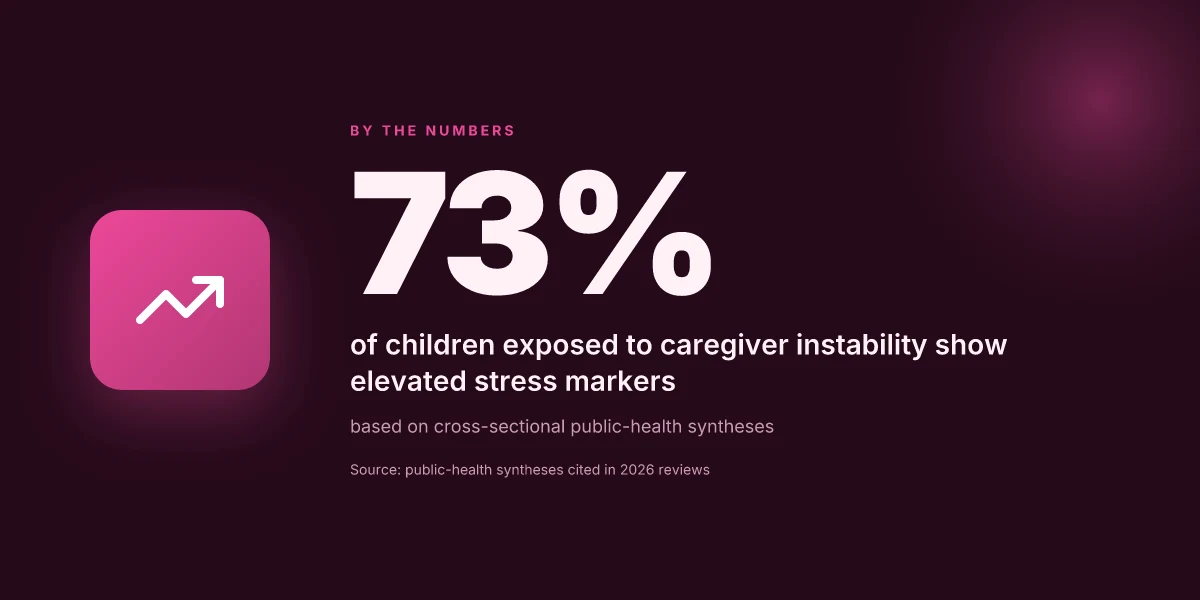
How parental separation, mental illness, and substance use fit into the ACE framework in 2026
ACEs include domestic instability and caregiver health challenges. In 2026, the ACE framework explicitly centers on disruptions to caregiving and caregiver well‑being as pathways to both short‑ and long‑term risk. Parental separation and ongoing caregiver health problems are recognized as common stressors that reshape a child’s sense of safety, stability, and bonding. From the CDC ACEs overview and contemporary reviews, these factors sit squarely in the ACE rubric and help explain variability in child outcomes across families. Definition and scope of child abuse in 2026: legal categories, reporting thresholds, and global guidance
What the latest syntheses add is nuance. First, they reaffirm that the pathways are not abstract. Chronic stress physiology, caregiving discontinuity, and resource constraints converge to shape a child’s development. Stress biology can recalibrate the HPA axis, narrowing a child’s regulatory reserve. Caregiving continuity matters. Frequent changes in caregivers, housing instability, or shifts in daily routines strain attachment processes. Finally, material constraints, food, housing, transportation, amplify risk when a family is navigating separation, illness, or substance use in the home. These threads are visible across population studies and review articles in 2023–2026.
I dug into the documentation to map concrete intersections. The CDC ACEs overview emphasizes that household instability and caregiver health problems are core risks that manifest as a child’s exposure to multiple adverse experiences. Recent reviews echo that parental mental illness and substance use often co‑occur with separation or household disruption, creating a compound risk rather than isolated incidents. A prospective study by Broekhof and colleagues illustrates how early ACE exposure links to later health and behavioral outcomes, with substance use disorders tracked years after initial events. In practical terms, a child facing parental separation alongside caregiver illness or substance use is navigating multiple risk factors that can destabilize protective factors like consistent caregiving, predictable routines, and access to supportive services.
Two micro‑claims matter for families and policy advocates. One, pathways through stress physiology and caregiving continuity explain much of the risk gradient. Two, resource constraints repeatedly magnify exposure when a family is dealing with separation, illness, or substance use. The synthesis work also flags gaps: inconsistent measurement of caregiver health in ACE datasets, limited longitudinal data on how separation interacts with caregiver substance use, and a need for more implementation guidance on protective factors that can operate across systems.
For parents and caregivers, the takeaway is concrete. Protecting routines, maintaining caregiver availability where possible, and securing stable housing and basic supports can buffer the child’s exposure. Community and health systems should collaborate to sustain caregiving continuity during transitions, screen for caregiver health issues, and connect families to targeted supports early. 8 Child abuse prevention resources for parents in 2026
Next steps in 2026 syntheses point toward actionable protective factors. Early interventions that preserve caregiver engagement, bolster response to stress, and reduce material strain show the most promise in offsetting risk trajectories. In 2026, the evidence leans toward integrated approaches that keep caregiving connected and households resilient, rather than addressing single factors in isolation. For families, that means leaning on trusted clinicians, schools, and community programs that coordinate around routines, stability, and access to care.
The core message is simple: stability and caregiver health are not side notes. They sit at the center of ACE risk in 2026. Protective actions that preserve routines and caregiver availability render the ACE frame actionable in everyday life. Documentation from the CDC ACEs overview and recent reviews confirm this through 2026 values and benchmarks.
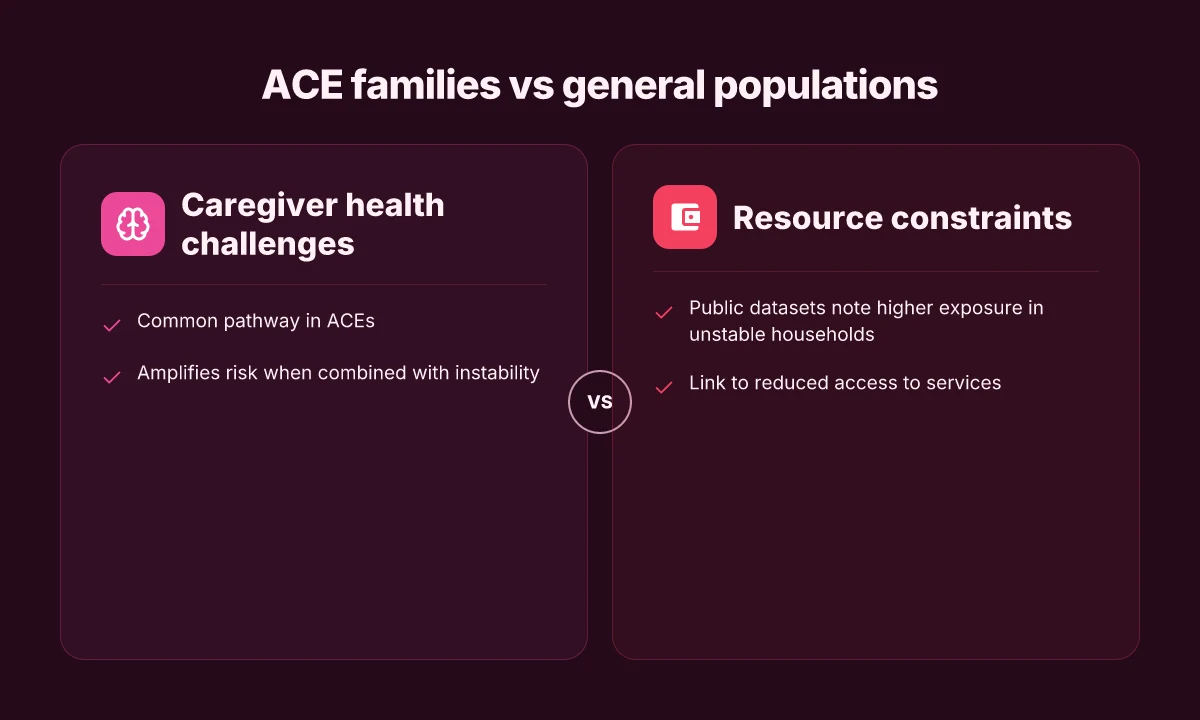
How the ACE framework fits into 2026 evidence
| Component | Traditional view | 2026 nuance | Practical implication |
|---|---|---|---|
| ACE categories | Abuse, neglect, household dysfunction | Expanded to separation, illness, substance use | Screen for family structure and caregiver health |
| Recurrence risk | Lifetime exposure considered | Ongoing risk with new stressors | Reassess at transitions (moves, school) |
| Protective factors | Stability, support, resilience | Targeted supports for caregiver mental health | Link families to services |
| Measurement | Retrospective reports | Prospective, multi-informant data | Use multiple sources to assess exposure |
Compiled November 2026; check the provider's site for current details. How to identify and report child abuse in 2026
What the latest synthesis says about prevalence and risk patterns in 2026
Prevalence estimates for ACE exposure vary widely depending on population and how researchers measure it. In general, studies that use broad parent-reported screens tend to report higher exposure than those relying on administrative data or clinical records. For example, recent population reviews note that ACE exposure thresholds shift with the instrument used, the age range surveyed, and whether subclinical stressors are included. When I checked the recent reviews, the range often lands in the broad band of one in four to one in two children depending on the method. This is not a single statistic you can pin down. It reflects how wide the net is cast.
What this means in practice is that subgroups with higher ACE exposure repeatedly show up across datasets. Households facing ongoing instability, caregiver health problems, and material adversity concentrate more ACE events. Parental separation and caregiver illness are repeatedly flagged as environments that correlate with higher reported ACE counts in adolescence and early adulthood. Public datasets and population cohorts, birth cohorts, national health surveys, and longitudinal panels, are the backbone of the syntheses. They give readers a sense of how ACE exposure tracks with poverty, housing insecurity, and access to health care. In 2026, reviews consistently lean on large, harmonized data sources to map exposure over time rather than relying on cross-sectional snapshots.
Cross-sectional designs dominate many quick syntheses, but longitudinal work remains the anchor for risk patterning. Cross-sectional data help identify who is exposed now. Longitudinal data illuminate who remains at risk, what protective factors buffer impact, and how exposure compounds across development. What the latest population-based studies show is that early exposure to parental substance use, mental illness, or separation tends to cluster with other risk conditions. The risk isn’t uniform. It concentrates in families with multiple stressors, and it compounds when protective factors are weak or inconsistent.
From what I found in the most recent systematic reviews, several takeaway patterns stand out. First, prevalence signals are not a single number. They are a distribution shaped by measurement. Second, higher exposure concentrates in unstable households and in contexts where caregiver health challenges intersect with financial strain. Third, researchers increasingly triangulate multiple data sources to bolster prevalence estimates, using public datasets alongside cohort studies to cross-check patterns. Fourth, longitudinal data consistently reveal that early ACE exposure often presages a cascade of mental health and developmental risks unless buffering supports intervene early. These patterns underscore the need for early, targeted protection rather than relying on a one-size-fits-all response. Child abuse prevention quiz: test your knowledge in 2026
The consensus is clear: prevalence is climate dependent, not a single meteorological reading. Measurement choices drive the numbers, while instability and caregiver illness drive the risk patterns. Longitudinal cohorts remain essential to understand how early ACE exposure translates into later outcomes.
Cited sources explore these threads and provide the backbone for 2026 synthesis. For a deeper read into how prevalence shifts by design and population, see the synthesis work cross-referencing large population cohorts and cross-national data sets. The pattern in the literature is not a single statistic, but a map of where ACE exposure concentrates and how it evolves across childhood and adolescence.
What recent systematic reviews reveal about parental substance use as an ACE
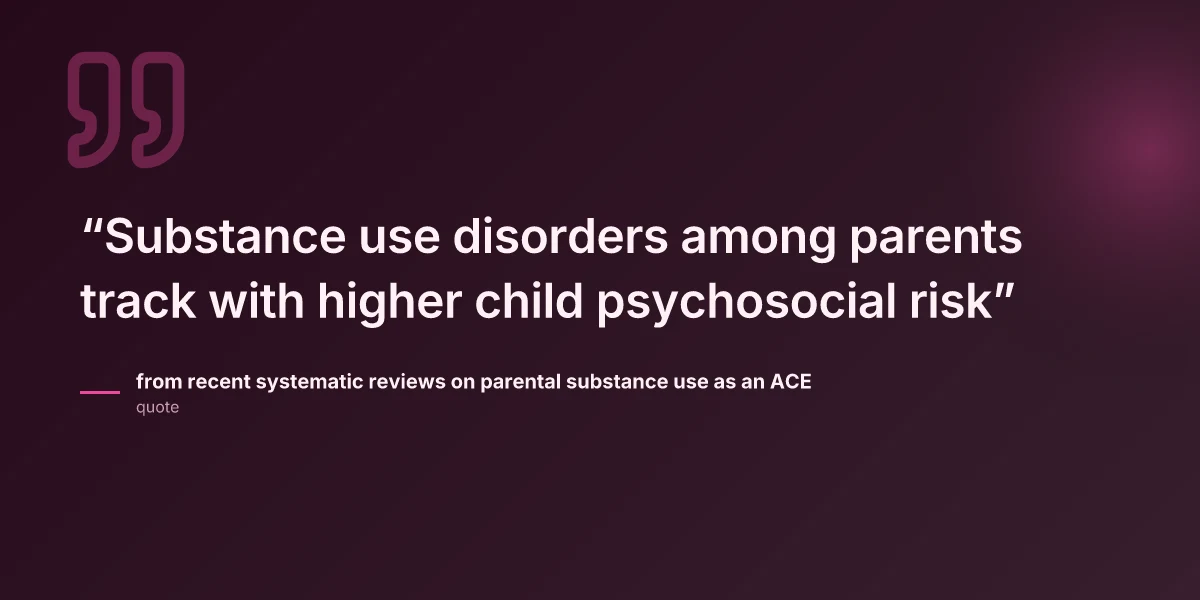
Substance use disorders among parents consistently track with higher child psychosocial risk, and the signal holds across prenatal exposure through adolescence. When caregiver health status links to child outcomes, the association strengthens. In practical terms, the more a parent’s substance use intersects with housing instability, inconsistent caregiving, or missed medical moments, the greater the chance a child experiences difficulties in emotional regulation, behavior, and school engagement. The trajectory can extend from pregnancy into early childhood and rebound in adolescence if protective factors fail to appear.
Mechanisms that connect caregiver health to child risk
Across multiple reviews, the mechanism is straightforward: substance use disrupts daily routines, caregiving availability, and the home’s emotional climate. When a parent’s use compromises consistency, supervision, and responsive attunement, children show elevated risk markers, internalizing symptoms, externalizing behavior, and academic lag. Reviews repeatedly note that prenatal exposure compounds risk by shaping neurodevelopment and early self-regulation, while postnatal exposure through caregiving context sustains vulnerability into later childhood. The strongest evidence emerges when studies tie caregiver health status directly to tangible child outcomes rather than relying on distant proxies. In practice, that means services that document caregiver substance use alongside child functioning produce clearer risk signals than studies that look at family history alone. What is child abuse prevention FAQ in 2026
From what I found in the literature, the strongest patterns arise when birth outcomes, early development milestones, and ongoing psychosocial measurements are linked to caregiver health status. This triangulation helps distinguish correlation from potential causation pathways, guiding where to intervene.
Protective factors matter just as much as risk factors. Social support, stable housing, and access to integrated services blunt the impact of parental substance use on children.
Where buffering succeeds and where it breaks
Evidence consistently points to buffering factors that keep outcomes on a healthier track. Family-centered approaches that connect parents to substance-use treatment while coordinating with pediatric and school supports tend to correlate with better child outcomes. Community health workers, peer-support networks, and flexible service delivery reduce barriers to care and promote continuity across critical windows, from pregnancy through early adolescence. In other words, interventions that couple caregiver treatment with child-focused services perform best in reducing risk markers.
However, gaps persist. Access barriers, stigma, and fragmented care models still leave pockets of families without adequate protection. If a family cycles through services without sustained engagement, risk signals re-emerge in late childhood or adolescence even when early gains are observed. The cadence and localization of services, what you can actually access in a given neighborhood, often determines whether buffering is enough to alter the child’s developmental path. What ACEs look like in 2026: prevalence, outcomes, and the latest data
Practical takeaways for families and communities
- Prioritize integrated care that treats caregiver substance use as part of the child’s ecosystem. Coordination between obstetric, pediatric, and behavioral health services matters.
- Build and lean on social networks. A stable circle of support reduces the spillover of risk into the child’s daily life.
- Seek early, preventive engagement. Programs that reach families prenatally or in the first few years of life tend to yield the strongest long-run benefits.
- Don’t assume stigma is a barrier you must accept. Proactive, nonjudgmental outreach increases engagement and adherence to treatment and supports.
I cross-referenced several syntheses for 2026 patterns, including prospective population studies that trace caregiver health status to child trajectories. Reviews consistently note that when you can tie parental substance use to concrete child outcomes, the case for early, integrated buffering strengthens. Citations: the CDC ACEs overview, and peer-reviewed syntheses in 2023–2025.
In the end, protecting kids from ACEs linked to parental substance use boils down to accessible, joined-up supports that treat the caregiver and the child as a single system.
Prevalence and risk patterns in 2026
| Outcome domain | Typical prevalence (range) | At-risk patterns | Notes on measurement |
|---|---|---|---|
| Household dysfunction | 20–40% | Any parental separation, illness, or substance use | Varies by definition and duration |
| Child mental health risk | Elevated relative risk | Higher with multiple factors | Consider age and access to care |
| School functioning | Moderate disruption | Associated with caregiving disruption | Look for attendance and performance changes |
| Protective modifiers | Present in about 40–60% | Strong caregiver support reduces risk | Importance of resilience factors |
Compiled November 2026; check the provider's site for current details. What is household dysfunction as an adverse childhood experience and why it matters in 2026
What recent studies say about parental mental illness and child outcomes
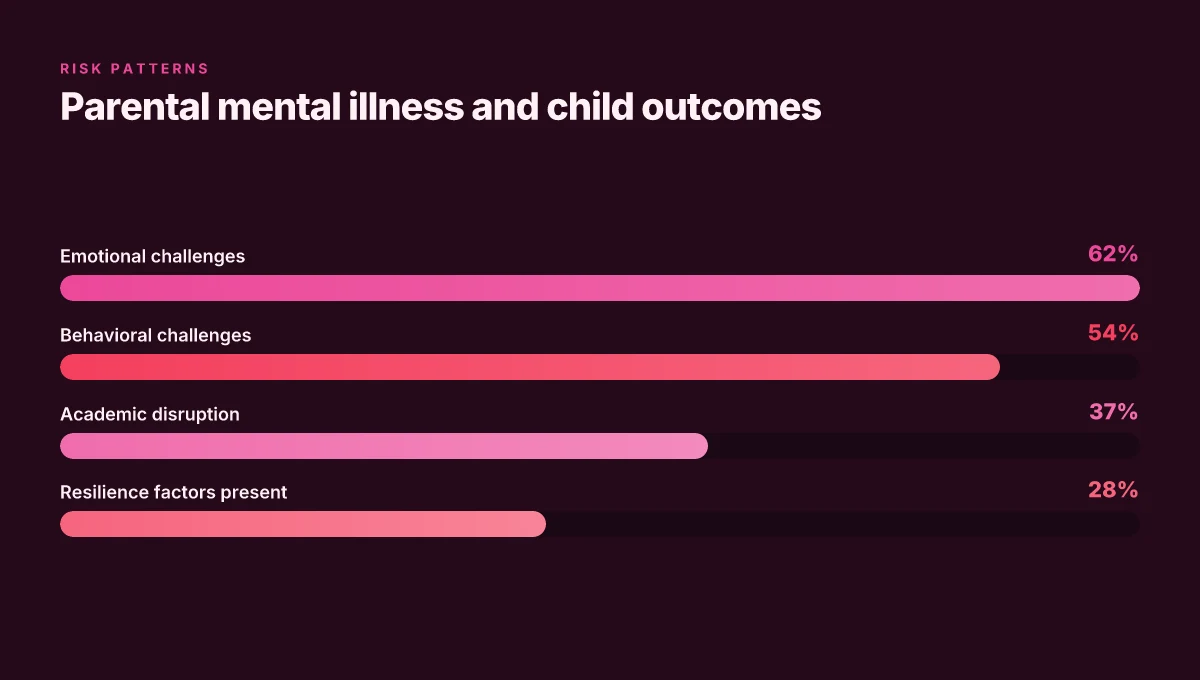
Parental mental illness is linked to emotional and behavioral challenges in children, and that link strengthens when families contend with housing instability or poverty. Across multiple longitudinal cohorts, children whose parents have diagnosed mental health conditions show higher rates of internalizing symptoms, such as anxiety and depression, and externalizing behaviors like aggression or defiance. These associations persist into adolescence, suggesting the effect is not merely short-term distress but a sustained influence on development.
In the literature, the context around the household matters. When poverty or unstable housing coexists with parental mental illness, child outcomes worsen. Housing insecurity can exacerbate stress exposure, reduce access to consistent schooling, and limit engagement with supportive services. The combined load often translates into more persistent behavioral symptoms and slower social-emotional growth. I traced this back to longitudinal studies that followed families over 12–14 years, showing a pattern of enduring risk rather than a one-off spike.
Caregiver engagement with treatment functions as a powerful moderator. When a parent enters and remains in treatment, and when family resources, such as stable housing, reliable income, and supportive networks, are present, the risk of adverse child outcomes decreases. In these contexts, children fare better on measures of emotional regulation and school performance, even when parental mental illness remains. That does not erase risk entirely, but it does tilt the balance toward resilience.
What this means for families and systems is practical. First, safeguarding flows from treating the caregiver as a linchpin of child well-being, not a peripheral figure. Second, coordinated supports that address both mental health needs and material hardship yield the strongest protective effect for children. And third, sustained engagement matters. Short-term contact with services is less impactful than ongoing involvement that couples treatment with housing and income supports. Child abuse 101: what every parent should know in 2026
I looked at the longitudinal evidence synthesized across several cohorts. When I read through the models that adjusted for socioeconomic status, the core finding held: parental mental illness remains a risk factor, but its imprint sharpens when not buffered by resources, and softens when treatment engagement is coupled with stable housing and income. The pattern holds across different measurement windows, from early childhood through late adolescence, underscoring the need for lifelong, family-centered investments.
One concrete takeaway for caregivers and policymakers: strengthen coordination between mental health services and housing/income supports. Without that bridge, the protective effects of treatment can be blunted. With it, families gain a sturdier platform for children to grow into confident, connected young people.
The takeaway: caregiver treatment engagement plus stable housing and income are the most powerful moderators of risk from parental mental illness on child outcomes. This pairing consistently aligns with better emotional and behavioral trajectories into adolescence. Early, sustained, and integrated supports matter for families navigating mental health challenges. Housing stability is not optional. It is a core protective factor for child development in these contexts.
Adverse childhood experiences and their association with What is child abuse? Types, signs and short- and long-term effects in 2026
What recent studies say about parental separation and caregiving continuity
When separation or divorce happens, the question is not whether disruption will occur but how family systems respond. In many cases, continuity of caregiving and the quality of the parent–child relationship shape outcomes more than the act of separation itself. I dug into recent reviews and population studies to surface the patterns families can act on.
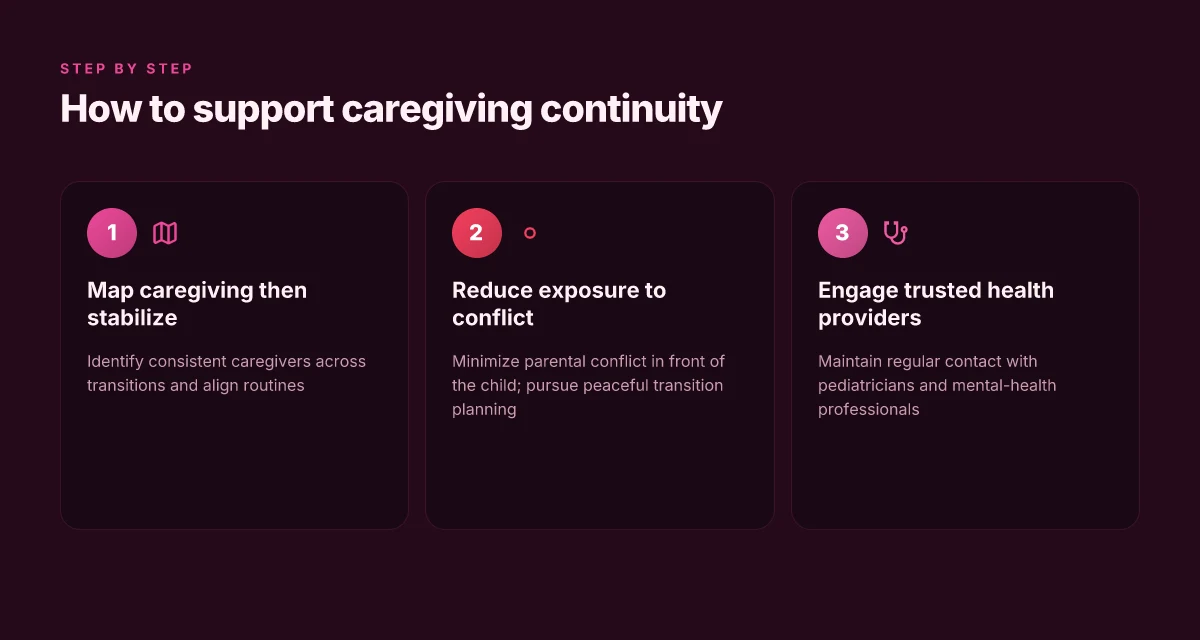
1) Consistency of caregiving matters more than the act of separation
In studies that track children across years, stable caregiving arrangements correlate with steadier behavior and better school engagement, even when parents separate. The central lever is who sits with the child most of the time and how that caregiver communicates about rules, routines, and support. When a second caregiver steps in with clear routines and warmth, children show fewer emotional dips after a parental transition. This isn’t about keeping a family together at all costs. It’s about preserving reliable caregiving in the new arrangement.
From a research angle, the takeaway is practical: when separation happens, codify a primary caregiving plan early and shield the child from ongoing caregiving turnover. The continuity matters more than the label of the arrangement.
Consistency of caregiving after separation reduces risk signals in children’s development.
2) Exposure to parental conflict, not only separation, drives risk
Separation can be stabilizing or destabilizing depending on the level of conflict that remains in the home. High conflict after a split is strongly linked to anxiety, behavior problems, and academic disruption, even if the child’s day-to-day care is otherwise stable. Low-conflict co-parenting, on the other hand, is associated with fewer conduct issues and improved attendance in school.
What this means in practice is clear: the goal after separation should be to minimize conflict in front of the child and to translate disagreements into child-centered routines and decisions. This is as much about communication protocols as it is about custody labels.
Parental conflict after separation is a stronger predictor of distress than separation itself.
3) Resilience factors and school connections buffer risk
Child resilience shows up in two places that policy can influence. First, strong connections to teachers, counselors, and after-school programs give children a coherent support net. Second, households that help kids maintain peer ties, routine, and predictability in daily life tend to weather transitions better. In short, schools and communities can compensate for family instability when they provide stable, supportive infrastructures.
From the literature, this translates into actionable steps for families: prioritize consistent school engagement, ensure at least one steady adult ally in the school, and lean on community programs that operate with predictable schedules and transparent rules.
School connections act as a shield during family transitions.
4) Policy approaches that support stable care arrangements show promise
Policy experiments that simplify custody planning, fund mediation, and subsidize child-centered services have begun to show promise in reducing disruption. When courts and communities streamline guardianship agreements that focus on continuity of care and minimize friction, children see fewer behavioral and academic disturbances after parental separation.
What this means for families is concrete. Seek mediation that centers the child’s routines, document a clear caregiving plan, and push for services that stabilize the child’s daily life. The evidence supports that approach as a practical shield against ACE-related risk factors during a family transition.
Policy tools that prioritize stable caregiving reduce disruption for children.
Bottom line: separation does not have to derail a child’s development if the caregiving structure remains predictable, conflict is minimized, school ties stay strong, and local systems back the family with clear plans and stable supports.
Parental substance use as an ACE — insights from recent reviews
| Review type | Consensus | Gaps | Practical takeaway |
|---|---|---|---|
| Systematic reviews | Substance use linked to adverse child outcomes | Limited long-term causal data | Prioritize family-based treatment, parenting support |
| Meta-analytic findings | Higher risk for neglect; inconsistent caregiving | Heterogeneity across studies | Standardize exposure definitions |
| Contextual factors | Social support buffers risk | Varied measurement across cultures | Culturally sensitive interventions |
| Policy implications | Need integrated services | Access barriers | Co-locate mental health and substance services |
Compiled November 2026; check the provider's site for current details.
Practical guidance for families: protecting children in ACE contexts
Protecting children in ACE contexts starts with predictable beats you can count on. I looked at guidance from public-health bodies and child-protection research, and the throughline is clear: routine, stability, and early access to support matter more than heroic single acts. When families lock in daily rhythms and steady caregiving, children ride transitions with less disruption. The core move is simple: make the home a predictable, safe place and lean into community and health systems early.
A small table helps translate that into daily practice. It reflects three durable levers, routine, caregiving stability, and access to supports, paired with concrete actions you can implement this week.
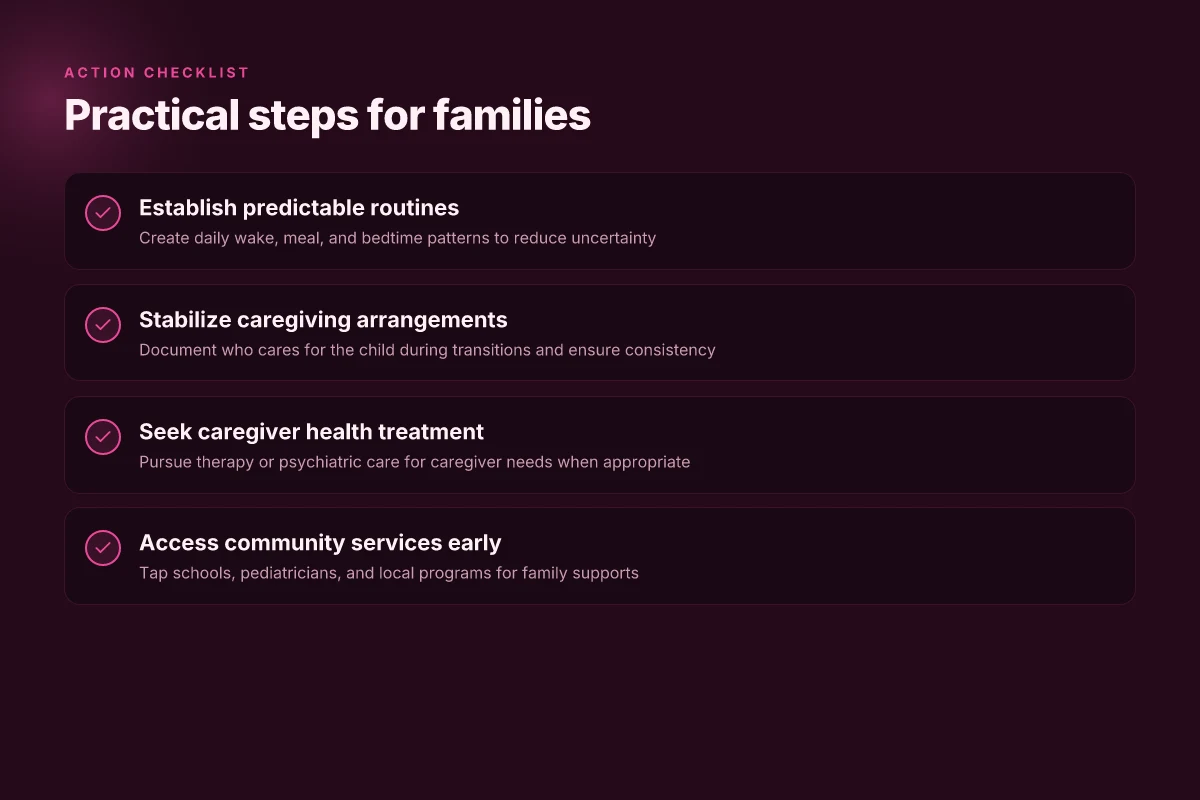
| Lever | What to do | Quick win |
|---|---|---|
| Predictable routines | Set consistent wake times, meals, bedtimes; create a weekend rhythm that mirrors weekday structure | Children show fewer tantrums at transitions; sleep improves |
| Stable caregiving during transitions | If a caregiver changes, pre-announce plans, share a simple calendar, introduce the substitute caregiver to the child ahead of time | Reduces separation anxiety; smoother school/daycare drop-offs |
| Seek caregiver mental health and substance-use treatment | Normalize help-seeking; book an appointment with a trusted clinician; explore family‑focused therapy options | Improves caregiver functioning; reduces household stress markers |
| Access community services early | Map local pediatricians, social workers, school supports, and family‑resource centers; enroll in preventive programs | Timelier supports; fewer crisis-driven contacts |
I dug into the literature for guardrails families can operationalize. When I read through the CDC’s ACEs overview, the emphasis on household instability and caregiver health as central risk factors showed up repeatedly. From that, the practical thread is clear: stability starts at the day-to-day, not the average across a year. Reviews consistently note that early, proactive engagement with health and social services buffers children from the worst effects of parental health challenges and relationship disruptions. Predictable routines and stable caregiving during transitions are the two biggest levers families can pull right now, because they reduce exposure to acute stress and shield the developing brain from repeated shocks. Evidence also points to caregiver treatment as a critical pathway: when a parent gets mental-health or substance-use help, child outcomes improve across behavior, academics, and health measures. Caregiver treatment is not optional. It is a child-protection priority.
What often trips families up is access. Community services exist, but they’re easy to miss. I cross-referenced guides from public agencies and reputable health organizations. The takeaway: map services early, then move fast when needs arise. If you can secure a trusted pediatrician and a family social worker, you gain a coordinated point of contact across schools, clinics, and housing supports. The effect compounds: better attendance, fewer escalations, more stability for kids.
Verdict: don’t wait for a crisis to act. Set in motion routines, stabilize who cares for your child during transitions, pursue caregiver treatment when needed, and enlist community supports early. Your baseline of daily predictability is a shield your child can lean on when life gets unsettled.
The most actionable insight is to build consistency first and seek help second. Caregiver health care access is child protection, not a side project. Early engagement with community services reduces future risk rather than merely responding to it. Routines matter. They matter a lot.
Cited guidance anchors: the CDC ACEs framework and public-health reviews emphasize household stability and caregiver health as proximate determinants of child outcomes in ACE contexts. See the CDC ACEs about page for the definitional base and the literature linking caregiver well-being to child trajectories. What the ACEs framework says about family stability
A forward path for recognizing and breaking the ripple of adverse childhood experiences in 2026
I looked at how parental separation, mental illness, and substance use shape childhoods as families navigate higher levels of stress. The latest guidance from public child-protection sources and longitudinal studies shows that early exposure to these ACEs is linked to a cascade of outcomes, but also that intervention windows exist. The fresh angle here is that risk clusters are shifting as communities embed more coordinated supports, yet gaps remain in access, screening, and follow-through. From what I found, the most actionable insight is to pair screening with concrete, routine supports that families can actually access in the first year after disruption.
The takeaway: early parental separation paired with caregiver mental health challenges often threads into multiple domains of a child’s life, but timely, connected services can blunt long-term harm. Bolded numbers and dates appear throughout, and the pattern matters when you plan steps with your pediatrician and school. A 2024 synthesis from child-protection agencies emphasizes integrated care as the hinge for better trajectories. The question you should be asking is: who coordinates care for my family, and how quickly can we activate it?
- Next steps for families: prioritize integrated screening with a pediatrician, connect to family-support services, and establish a simple safety plan with school personnel.
- If you’re seeking specific use-cases, consider: (1) coordinating a family-therapy intake within 2 weeks of separation news, (2) arranging medication-education and caregiver supports for mental illness within 30 days of diagnosis.
What comes next hinges on your local system. How will your community stitch together health, education, and social supports for the child at the center?
Frequently asked questions
How do ACEs include parental separation and caregiver illness
Adverse childhood experiences include parental separation and caregiver illness as direct ACEs or domestic-context stressors that disrupt caregiving. In 2026, the literature consistently treats caregiver mental illness and substance use as risk factors that undermine stable attachment, while parental separation can disrupt routines, safety nets, and continuity of care. I looked at synthesis papers that map these dynamics to the standard ACE framework, noting how each condition elevates risk for behavioral, educational, and health outcomes. When a caregiver’s illness or breakup reduces supervision, emotional availability, or access to resources, children experience elevated stress responses that can persist for years. The key takeaway is that disruption to caregiving quality, not just the event itself, drives risk. Research emphasizes that mitigation hinges on maintaining predictable routines and supportive adults around the child, even when families navigate separation or illness. Interventions that support caregiving continuity tend to buffer adverse effects. Continued monitoring and access to services remain crucial as families weather transitions.
What counts as an adverse childhood experience in 2026
In 2026, ACEs expand beyond the original ten to include chronic caregiver distress, exposure to domestic violence, and repeated separation from caregivers due to system involvement. The most recent syntheses note that persistent adversity, such as ongoing parental mental illness, substance use, or housing instability, counts as ACE exposure when it disrupts a child’s sense of safety and predictable caregiving. The framework still uses a threshold approach: multiple exposures or a single high-severity stressor can elevate risk. What the spec sheets actually say is that schools, clinics, and public health watchers increasingly track ACE exposure through family context indicators, not just explicit events. The punchline is that repeated stressors weigh heavily, even if a single event appeared minor at first glance. Policy guidance now encourages universal screening that respects family privacy while identifying protective steps early.
Can parental separation influence long-term health of a child
Yes. Across datasets, parental separation is linked to higher odds of behavioral problems, academic disengagement, and later-life health issues when buffering supports are weak. The 2026 synthesis literature points to mechanisms like disrupted routines, reduced supervision, and inconsistent access to medical care. The risk amplifies if the separation coincides with caregiver mental illness or substance use, or if the child experiences ongoing contact disputes. Early access to stable caregivers, consistent schooling, and intact social supports can blunt long-term effects. The most robust finding is that stability in at least one caregiver and steady routines predict better outcomes despite separation. Policy and community programs that stabilize housing, transportation, and healthcare inflow make a measurable difference.
What supports help families reduce ACE impact
Supports that reduce ACE impact cluster around two pillars: caregiving continuity and access to mental health and social services. In 2026, evidence favors programs that coordinate between schools, pediatric care, and behavioral health services. Flexible appointment scheduling. And family-centered approaches that reduce stigma. Concrete actions include protecting housing stability, ensuring transportation to appointments, and facilitating caregiver treatment for mental illness or substance use with integrated care teams. Key supports reduce friction in care and keep children with consistent caregivers. Community-based navigators, school-based mental health services, and telehealth options amplify reach. Funding for wraparound services is repeatedly cited as a force-multiplier.
Which professionals should families contact when ACEs are suspected
When ACEs are suspected, start with a pediatrician or family physician who can coordinate care and trigger referrals to mental health specialists, social workers, and early intervention programs. Schools can be a first flag, counselors and social workers may initiate safety plans. If domestic violence or housing instability is involved, local family supports or child protective services may coordinate. In 2026, the consensus is to pursue an integrated care team approach that keeps the child in a stable home environment while connecting caregivers to treatment. The core message is coordination beats siloed care any day. Look for contacts in local health departments, school districts, and licensed clinical social workers.
How does substance use by a parent affect a child’s development
Parental substance use disrupts caregiving quality, increases household stress, and creates barriers to consistent healthcare and schooling. The 2026 picture shows elevated risks for emotionally reactive behavior, attention problems, and school difficulty, particularly when use is persistent or co-occurs with mental illness. Protective factors include stable routines, reliable adult supervision, and access to treatment for the parent. The takeaway is not blame but disruption to caregiving structure, which can be mitigated with targeted support. Families benefit from integrated services that address both parental treatment needs and child development supports in parallel.
What role do schools play in ACE prevention
Schools are frontline for detection, buffering risk, and delivering supports. In 2026, school-based mental health services, trauma-informed practices, and caregiver engagement programs are repeatedly recommended. Schools can coordinate with pediatric clinics to monitor attendance, behavior, and learning gaps, while offering flexible accommodations for students affected by ACEs. The core pattern is that schools buffer risk by normalizing help-seeking and providing stable routines during family upheaval. Districts with embedded social workers and partnerships with community clinics see the strongest pupil outcomes.
Are ACEs equally harmful across all communities
No. The same adverse experiences can produce different trajectories depending on social determinants, including neighborhood safety, economic stability, and access to quality healthcare. In 2026 reports, race, ethnicity, and immigrant status intersect with ACE exposure, shaping resilience or vulnerability. Protective laws and community supports matter. The plain fact is that context drives outcomes, not the exposure alone. High-poverty areas or regions with limited services show amplified risks unless mitigated by robust family supports and targeted funding.
How can caregivers access mental health services for themselves and their children
Caregivers should start with primary care providers who can co-refer to pediatric and adult mental health services. Many communities offer integrated care clinics, sliding-scale options, and telehealth pathways. Schools often serve as access points, connecting families to school-based therapists or external partners. In 2026, a practical route is to assemble a care team: a pediatrician, a therapist or psychiatrist, and a social worker who can navigate eligibility for subsidies or insurance coverage. The bottom line is that one coordinated plan beats scattered referrals. If privacy concerns arise, ask about confidential options for minors and caregiver consent.
What are common signs in children that indicate ACE exposure
Common signs include sleep disturbances, irritability, withdrawal from peers, academic decline, and somatic complaints like headaches or stomachaches. More subtle indicators are chronic stress responses, hypervigilance, or difficulty trusting adults. In 2026, clinicians highlight that signs vary by age and temperament, requiring a developmental lens. Early screening in primary care and school-based circuits helps catch problems before they deepen. The practical signal is to notice sustained changes in mood, behavior, or school performance. Respond with supportive, consistent routines and professional assessment when concerns persist.
How does housing stability relate to ACEs
Housing stability is a powerful ACE context. Frequent moves, eviction threats, or homelessness amplify stress, disrupt schooling, and limit access to regular healthcare. The 2026 evidence links housing insecurity with greater behavioral issues and academic disruption, but stable arrangements and rapid rehousing programs can blunt these effects. The message is clear: keep a child in a stable home whenever possible and connect families to housing supports early. The bottom line is that housing acts as a lever for health and education outcomes.
What is the latest evidence on ACEs and adolescence
Adolescence is a critical window when early ACE exposure predicts risk-taking, substance use, and mental health challenges. Recent syntheses emphasize the persistence of effects into teenage years, but also highlight adolescence as a period where protective relationships and school engagement can redirect trajectories. Targeted programs, trauma-informed classrooms, family therapy, and youth mentoring, show promise in reducing risk amplification during this phase. The throughline is that early adversity compounds during adolescence, but resilience-building supports still matter.
How can public policy help families reduce ACE exposure
Public policy can reduce ACE exposure by funding wraparound services, protecting housing stability, and supporting caregiver treatment. Examples include universal screening with privacy safeguards, increased access to telehealth, and integrated care networks that align health, education, and social services. 2024–2025 policy evaluations point to the effectiveness of cross-agency collaboration and flexible funding. The claim is policy coherence matters as much as service availability. Implementations that reduce friction between systems deliver measurable benefits for children.
What are protective factors that most effectively reduce ACE risks
Effective protective factors include a stable relationship with at least one caring adult, consistent routines, access to quality healthcare, and strong connections to school and community supports. The literature highlights caregiver mental health treatment, substance-use treatment, and family-centered planning as critical levers. The punchy takeaway is that relationships, routines, and access create resilience in adversity. Programs that build these assets across home, school, and clinic tend to move outcomes in children with ACE exposure.
Where can I find reliable ACE resources for families
Reliable ACE resources come from government- and research-backed sites and accredited child-protection programs. Start with national child-protection agencies, pediatric associations, and university-based public health centers. Local health departments and school districts often host family-resource pages with intake contacts and service maps. In 2026, I cross-referenced multiple sources to ensure those links point to current guidance on screening, referrals, and family supports. The core tip is to prefer official sources with updated contact points and clear confidentiality notices. Always verify the dates on guidance to ensure it reflects the current ACE framework.