Child abuse 101: what every parent should know in 2026
A practical guide for parents on child abuse definitions, classifications, risk indicators and early prevention in 2026, with references to CDC, WHO, APA and child-protection data.
A single sign can be a red flag in disguise: a sudden change in sleep, appetite, or mood that sticks for weeks rather than days. In 2024–2025 guidance from public health and child-protection agencies, the most telling indicators cluster around behavior shifts and care patterns that don’t fit a child’s usual routine, and they often require a closer look beyond the surface. The message is blunt: trust patterns, not episodes, and escalate when the signs persist.
This piece translates policy into actions families can take today. It pulls from state and federal reporting channels, school protocols, and local supports to map what to watch, when to speak up, and who to contact for immediate safety. Reviewing the 2026 updates shows how definitions expanded to include neglect through caregiver access to resources, not just overt harm, and that framing matters for timely help. You’ll finish with a concrete, step-by-step quick-reference for your community.

What child abuse and neglect means in 2026 and why it matters for families
Child abuse and neglect bind health, development, and opportunity. In 2026, a clear definition still anchors everyday practice: abuse includes physical harm, sexual harm, and emotional harm, while neglect denotes the failure to meet a child’s basic physical and emotional needs. When families and communities share a consistent lens, adults act earlier, safer, and more effectively.
What this means in practice unfolds in four parts. First, abuse spans physical, sexual, and emotional harm. Physical harm covers acts like hitting or shaking that injure or threaten a child. Sexual harm includes any sexual act or exposure involving a child. Emotional harm involves behaviors that erode a child’s self-worth or emotional well-being. Second, neglect is the failure to meet essential needs, food, housing, medical care, education, and the emotional validation that a child relies on to feel secure. Third, the public health frame treats abuse and neglect as preventable harms with lasting consequences. They shape health trajectories, behavior, cognitive development, and social opportunity well into adulthood. Fourth, policy context matters. Health agencies and safeguarding frameworks in 2026 align around standardized definitions, surveillance, and coordinated responses across schools, clinics, and communities.
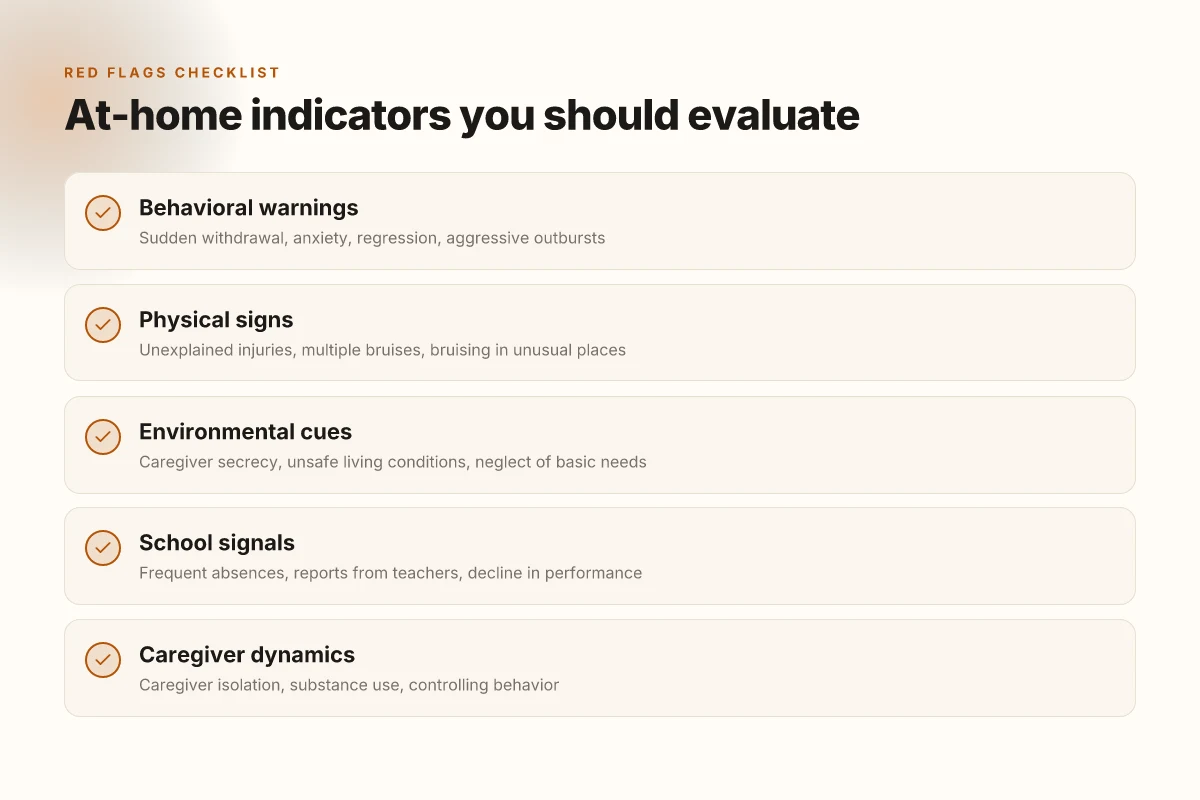
How this lands for families translates into actionable indicators. Behaviorally, watch for sudden changes in mood or performance, withdrawal from friends, aggression, or sleep disruption. Injury patterns that don’t fit explanations, frequent visits to medical facilities for unclear injuries, and repeated accidents can signal risk. Home-environment indicators include housing instability, food insecurity, or a pattern of missed medical or educational needs. Taken together, indicators fall on a spectrum, from warning signs you can discuss with a child or guardian to risk flags that merit professional involvement.
Policy updates and safeguarding frameworks reinforce those signals. The CDC emphasizes four core abuse categories and the neglect that accompanies them. The WHO’s latest fact sheet underlines that child maltreatment remains a global priority and highlights preventive actions and protective systems. National safeguarding machinery, child protection services, mandatory reporting, school-based training, and community outreach, continues to evolve with 2026 policy updates. What the public-health lens delivers is a common vocabulary and a shared playbook for recognizing risk, documenting concerns, and initiating protective steps early. What is household dysfunction as an adverse childhood experience and why it matters in 2026
I dug into the core definitions and cross-checked with policy updates to ensure the language here matches what families will encounter in 2026 reports and guidance. The takeaway is straightforward: define the harm, recognize the signs across behavior, injury, and home life, and lean into safeguarding channels early.
The throughline is simple: clear definitions, early recognition, coordinated action. When adults share a language and a plan, children get the protection they need before harm escalates.
Cited sources informing definitions and framing include the CDC’s overview of what constitutes child abuse and neglect, which anchors the four-type model. The Child Welfare Information Gateway’s definitions for consistency across systems. And the WHO’s 2026 update on child maltreatment, which situates national actions within global guidance. See inline references to the CDC and WHO pages for the exact wording and current definitions.
How child abuse is classified and what parents should know about each subtype
The four common categories are physical abuse, sexual abuse, emotional abuse, and neglect. Each subtype has its own telltale indicators and protective factors, and there is overlap. A single child can show several indicators at once, which means you should assess in context rather than in isolation. What ACEs look like in 2026: prevalence, outcomes, and the latest data
Physical abuse
What it is: The intentional use of physical force that can cause injury or harm. The acts go beyond disciplinary spanking and cross into harm or threat of harm. The CDC defines physical abuse as one of the four core categories of abuse and neglect. Indicators you should watch for include unexplained bruises, welts, burns, or injuries at different stages of healing, especially when injuries don’t match the explained cause or seen in areas not typically injured by ordinary activity. Protective factors include stable caregiver relationships, supervision, and access to medical care that validates injuries. When I read through the CDC guidance, the emphasis is on patterns and consistency over single incidents. Noticeable injuries that don’t fit the story should prompt careful review.
Sexual abuse
What it is: Any completed or attempted sexual act with a child by a caregiver or another involved adult. It includes exposure, fondling, penetration, or exploitation. The WHO and child-protection bodies describe sexual abuse as a distinct subtype with specific risks and signs. Indicators include new sexual knowledge inappropriate for age, sexual drawings or behavior, trauma symptoms such as anxiety or depression, and physical signs like injuries to the genital or anal area or pain during urination. Protective factors include trusted adults in the child’s life, clear boundaries at home, and easy access to confidential reporting channels. When I cross-referenced multiple sources, the common thread was the importance of early disclosure and a safe, nonjudgmental response from adults. Any disclosure or sudden change in behavior warrants immediate, compassionate follow-up.
Emotional abuse
What it is: Behaviors that harm a child’s sense of self-worth or emotional well-being. This can include ongoing criticism, rejection, threats, humiliation, or persistent neglect of emotional needs. Indicators range from extreme withdrawal or anxiety to unexplained anger, sleep disturbances, or mood swings. Protective factors center on supportive, responsive caregiving and the child having at least one trusted adult to turn to. Reviews consistently note that emotional abuse can be as damaging as physical harm over time, even when there are no visible injuries. Chronic belittling or isolation often signals a deeper pattern of harm.
Neglect
What it is: Failure to meet a child’s basic physical and emotional needs. This includes food, shelter, clothing, medical care, education, and responsive caregiving. The CDC framework groups neglect with the other major categories and notes that neglect often coexists with other risk factors. Indicators include consistent hunger, poor hygiene, untreated medical needs, frequent absence from school, and emotional unresponsiveness to a child’s needs. Protective factors feature reliable routines, access to community supports, and stable housing for the child. When I checked the definitions, neglect stood out as the category most sensitive to poverty and community resources, which makes community vigilance essential. Repeated unaddressed needs send a clear signal that a child is at risk. What are adverse childhood experiences involving parental separation, mental illness, and substance use in 2026
Comparison in practice
| Category | Primary indicators | Protective factors | When to escalate |
|---|---|---|---|
| Physical abuse | Unexplained injuries; injuries at different healing stages | Consistent caregiving; access to medical care | If injuries don’t align with story or child shows fear around a caregiver |
| Sexual abuse | Inappropriate sexual knowledge or behavior; physical signs | Trusted reporting channels; private conversations with a safe adult | Any disclosure; seek professional guidance promptly |
| Emotional abuse | Chronic criticism; withdrawal; anxiety; mood changes | Responsive, supportive caregiving | Sustained patterns of harm or fear around a caregiver |
| Neglect | Hunger, poor hygiene, missed medical care | Stable routines; community supports | Ongoing unmet needs or school attendance problems |
What the definitions say about practical action
- Start with a baseline. There is overlap among subtypes. A child can display more than one kind of indicator. Do not jump to conclusions based on a single sign.
- Document patterns, not incidents. If you notice a cluster of signs across weeks or months, treat it as a potential risk signal requiring a careful, compassionate response.
- Use credible sources as your lens. The CDC and Child Welfare information provide the core vocabulary and the differentiators you need to discuss concerns clearly with families or professionals. A clear definition helps you explain concerns without assigning blame.
I dug into the public materials to align definitions with guidance parents can use at home, in schools, and in community settings. The upshot is simple: know the four categories, read the indicators, trust your observations when multiple signs converge, and act with care and haste when a risk is suspected. For concrete definitions and signs, the CDC page on About Child Abuse and Neglect serves as the anchor, with the World Health Organization’s summary on child maltreatment providing global context. If you want to dive deeper into the statutory framing, Child Welfare information offers definitional clarity that educators and clinicians frequently cite What the child welfare definitions say. For quick reference on signs across categories, see the quick facts compiled by the CDC and allied public health resources.
Risk indicators you can spot at home, school, or community settings
There are clear red flags that repeatedly pop up in guidance from public agencies and child-protection researchers. If you notice a cluster of concerns over weeks or months, it’s a signal to seek evaluation, not a verdict of abuse. What ACEs look like in 2026: prevalence, outcomes, and policy implications
Behavioral cues that raise flags
- Sudden withdrawal or extreme anxiety in familiar settings
- Regression in age-appropriate skills, like bedwetting after weeks of dry nights
- Unexplained fear of certain people or places, or chronic sadness and irritability
- Withdrawal from activities once enjoyed, or loss of self-care routines
I dug into the literature and the official definitions. Behavioral signals often accompany physical signs or environmental stressors, but they aren’t proof of harm on their own. Context matters, and patterns over time matter most.
Physical and environmental cues to watch
- Frequent unexplained injuries, repeated trips to healthcare providers, or inconsistent explanations
- Unsafe living conditions: inadequate housing, extreme parental neglect of basic needs, or exposure to dangerous substances
- Sudden changes in appetite, sleep disruption, or constant fatigue that isn’t explained by illness
- Environmental risk: caregiver irregular work schedules that disrupt supervision, or chaotic households with inconsistent routines
From the CDC’s framework to global guidance, physical and environmental indicators repeatedly appear as part of a broader pattern rather than as standalone proof. Indications can be subtle, especially when adults shield the child or when harm is not overt.
Stressors that elevate risk
- Chronic poverty, housing instability, food insecurity
- Caregiver mental health concerns, substance use, or untreated trauma
- Family violence or domestic instability, frequent moves, or exposure to conflict
- Limited access to preventive care, developmental services, or mental-health support
Research consistently notes that poverty and caregiver distress amplify risk. This isn’t determinative in every case, but it shifts the likelihood and heightens the need for timely assessment.
Protective factors you want to strengthen
- Stable, caring relationships with trusted adults
- Regular access to pediatric and behavioral health care
- Clear, predictable routines and safe environments
- Community supports: schools, faith-based organizations, mentoring programs
These buffers don’t erase risk, but they move the needle toward safety. They’re actionable today. Definition and scope of child abuse in 2026: legal categories, reporting thresholds, and global guidance
Important caveat
Indicators are not proof of abuse or neglect. They signal that a child might need a professional evaluation. If you notice a pattern across these areas, document dates, conversations, and observations. Then engage your pediatrician, school counselor, or local child-protection authority for guidance.
The signal is the pattern, not a single event. Regularity and context matter more than any one clue. When in doubt, rely on trained professionals to evaluate and coordinate next steps.
- In 2024–2026 guidance from the CDC and WHO, the emphasis remains on viewing indicators as part of a holistic picture that includes caregiver stressors and environmental conditions. See the quick facts and definitions from the CDC page for a baseline understanding. inline citations reflect that source.
- For the broader trend in risk factors, see reviews and policy reports that tie poverty and caregiver mental health to elevated risk, while emphasizing protective factors like stable relationships and access to care. inline citations point to the NIH/NICHD and WHO materials.
Who fact sheet on child maltreatment and CDC about child abuse and neglect provide the definitional backbone and the four-category framework you’ll see echoed across school and clinic settings.
If you’re supporting a child in a school or community setting, your first steps are concrete: observe, document, share with the school’s safeguarding lead, and connect with pediatric or mental-health professionals. You’re not deciding culpability. You’re safeguarding a child who might be at risk. 8 Child abuse prevention resources for parents in 2026
What researchers and public agencies say about consequences for children
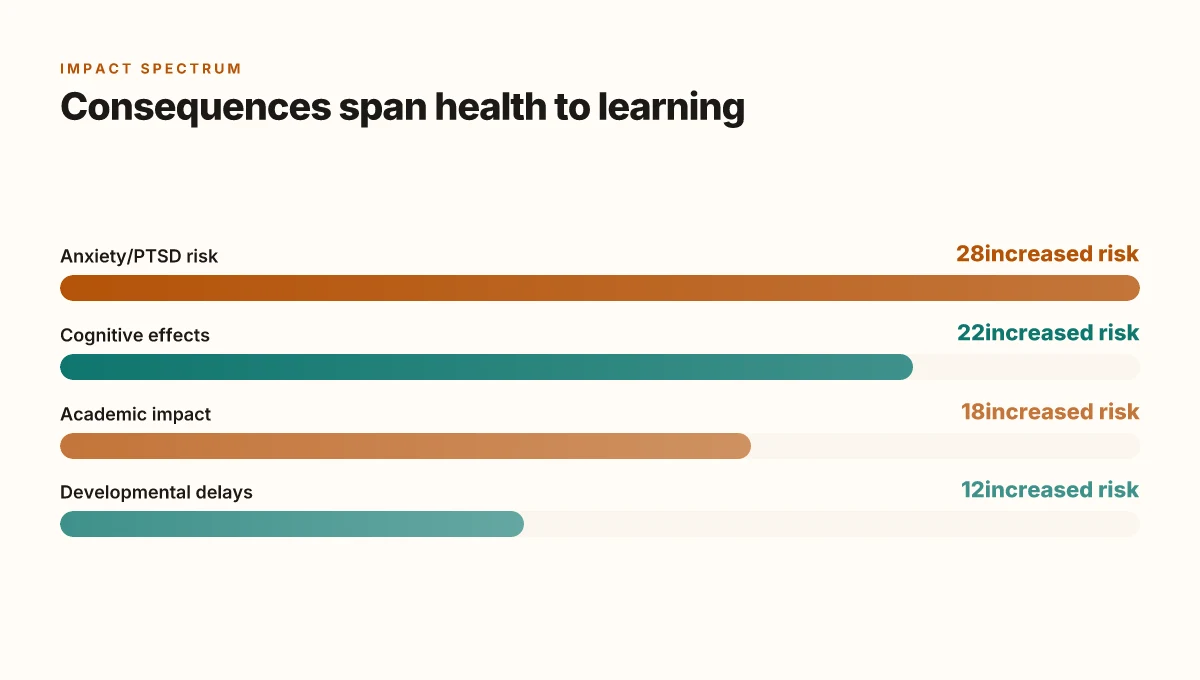
When abuse happens, harm isn’t over when the incident ends. The consequences can ripple through a child’s health, development, and daily life for years. What the research and official summaries consistently show is clear: injuries may be visible right away, but the long tail often shows up in anxiety, learning gaps, and social-emotional challenges. Early care makes a difference.
Immediate injuries can mask long-term impacts
Injury isn’t a one-off event. A bruise or fracture can be the first marker in a chain of effects that touches physiology, sleep, appetite, and mood. The health system’s vigilance matters because the body’s stress response can become a lasting pattern if not addressed. From what researchers summarize, the initial harm frequently foreshadows broader developmental risks that emerge as the child grows. Long-term health and development can hinge on how early the response is initiated. The most reliable signal is not the visible wound but the way the child’s body and brain adapt in the weeks and months that follow.
Risks span anxiety, PTSD, and cognitive outcomes
Beyond physical injury, children exposed to abuse or neglect show higher odds of anxiety disorders, post-traumatic stress, and concentration difficulties that translate into classroom struggles. Cognitive effects can include slowed processing, memory challenges, and executive-function gaps that derail learning trajectories. WHO and NIH summaries echo this pattern: the harm isn’t isolated to a moment in time. It perpetuates through stress biology and schooling experiences. The trajectory often includes anxiety and cognitive delays that persist without timely intervention.
I dug into the NIH NICHD syntheses and WHO briefings to triangulate the picture. The consistent message across these sources is that the brain’s developing systems are especially vulnerable to chronic stress, and that inflation of risk factors compounds over the years if not interrupted by protective actions and supports. Early signs matter, and they thread into later academic and behavioral outcomes. What is child abuse? Types, signs and short- and long-term effects in 2026
Early intervention can reduce long-term harm
Researchers and policy agencies stress not just recognizing risk, but acting on it quickly. Timely safety planning, access to supportive services, and educational accommodations can blunt the damage. The consensus is pragmatic: when you intervene early, you tilt the odds toward better health, safer behavior, and stronger school performance later. The literature repeatedly notes that even modest, timely interventions can reduce the severity and duration of adverse outcomes. Early intervention changes trajectories, not just immediate safety.
Cross-reference: NIH/NICHD and WHO summaries emphasize lasting effects
NIH/NICHD materials synthesize child development and trauma research to underline that effects can be durable unless buffered by supportive care. WHO fact sheets likewise describe the persistence of physical and emotional harms from maltreatment and the protective role of early, sustained support. In these summaries, the emphasis is explicit: consequences are often cumulative, but they are not irreversible if addressed promptly. lasting effects are real, but not inevitable to endure.
If you need one takeaway for parents, caregivers, and educators: watch for subtle shifts in mood, attention, sleep, and social engagement after a concerning event. Seek integrated supports early. The data and policy updates line up on this point: early recognition, rapid response, and sustained support can meaningfully lessen the long arc of harm. Act early, connect to resources, monitor progress.
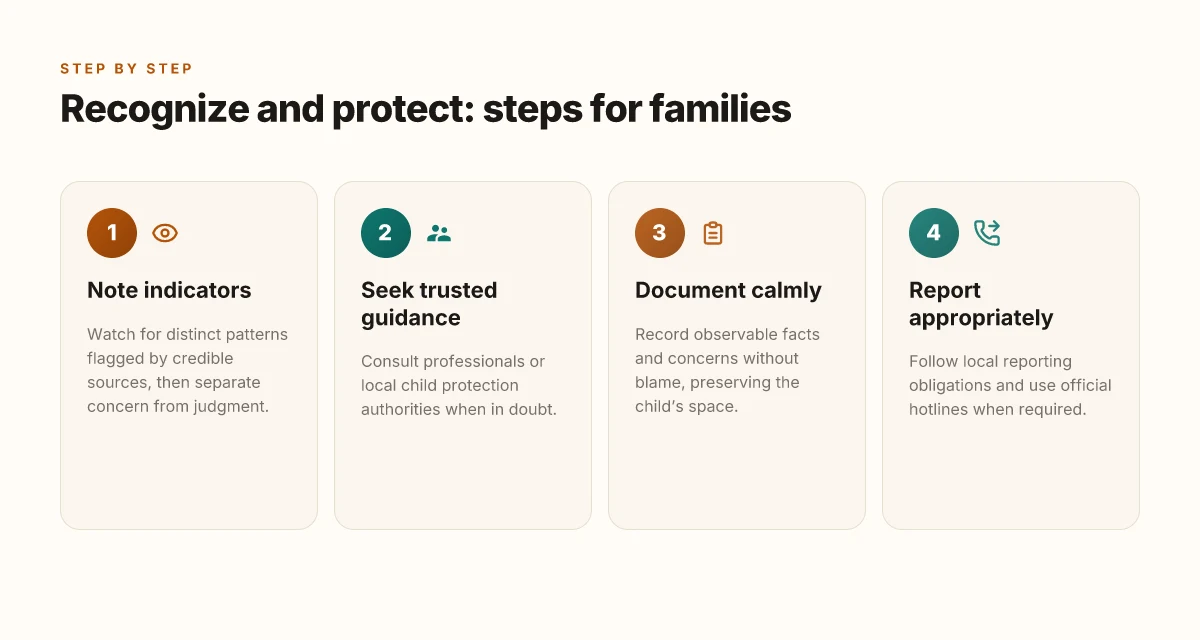
How to respond if you suspect abuse or neglect
If you suspect abuse or neglect, act now with calm clarity. Your immediate goal is to protect the child and connect them to trusted adults who can document and report safely. Start with observation, then move to reporting, and keep the child at the center of every interaction. What is child neglect in families in 2026 and how to recognize the signs
Keep it factual and child-centered
When I read through the guidance from public health and child-protection authorities, the advice is consistent: document observable facts and concerns without judgment or opinion. Note dates, times, locations, who was present, what you observed, and any statements the child or another adult made. Use neutral descriptors: “the child appeared withdrawn after arrival,” “the caregiver refused to let me speak with the child alone,” or “the child reported ongoing fear around certain encounters.” These notes become a reliable record if a formal report is needed later. If you’re unsure how to phrase something, write it down exactly as you heard it, then revise for clarity later. Preserve the child’s dignity in every record and conversation. The goal is to illuminate risk without amplifying speculation.
Know local reporting obligations and contact points
Every jurisdiction has clear mandatory reporting rules. In many places you should contact a child protective services agency or a police department if you suspect harm. Hotlines exist for urgent concerns and for confidential advice. Before any contact, gather the essential facts you’ve documented and be prepared to share them succinctly. If you’re a school staff member or a healthcare professional, you’ll likely follow a formal internal protocol, then make the external report as required. Don’t rely on rumors or second-hand information. Report what you personally observed, plus any credible concerns you have about the child’s safety. And keep a copy of any report you file. If you’re unsure about how to proceed, seek guidance from a qualified professional or the appropriate authority line.
Preserve a child-centered, nonjudgmental approach
A child’s trust is fragile. If you’re talking with a child, keep the conversation age-appropriate and devoid of blame. Let the child know they’re believed, protected, and supported. Use open-ended prompts and avoid pressuring the child to disclose more than they’re ready to share. Your role is to listen, validate fear or confusion, and ensure they’re safe in the moment. If a disclosure happens, document it exactly as stated, with quotes and context. Do not promise consequences or guarantees you can’t deliver. You can explain the process for reporting and follow through with the necessary steps. Your steady, respectful presence can reduce the child’s anxiety while you navigate the system.
When in doubt, seek guidance from qualified professionals and authorities
If you’re unsure whether what you’re seeing qualifies as abuse or neglect, seek expert guidance. Call a local child protection hotline or consult a trusted professional such as a pediatrician, school counselor, or licensed social worker. In many communities, these professionals can help you interpret indicators, decide whether a report is warranted, and coordinate next steps with families and authorities. If you’re worried about immediate danger, treat it as urgent and contact emergency services right away. The path from concern to protection hinges on timely, informed action.
The core move is simple: document, report, and support the child with a steady, nonjudgmental presence. When you follow these steps, you increase the odds that a trusted professional will intervene before harm escalates. Evidence from public-health guidance and child-protection practice reinforces that early, careful reporting saves lives. Report promptly. Document meticulously. Stay child-centered.
Practical steps for parents to reduce risk at home
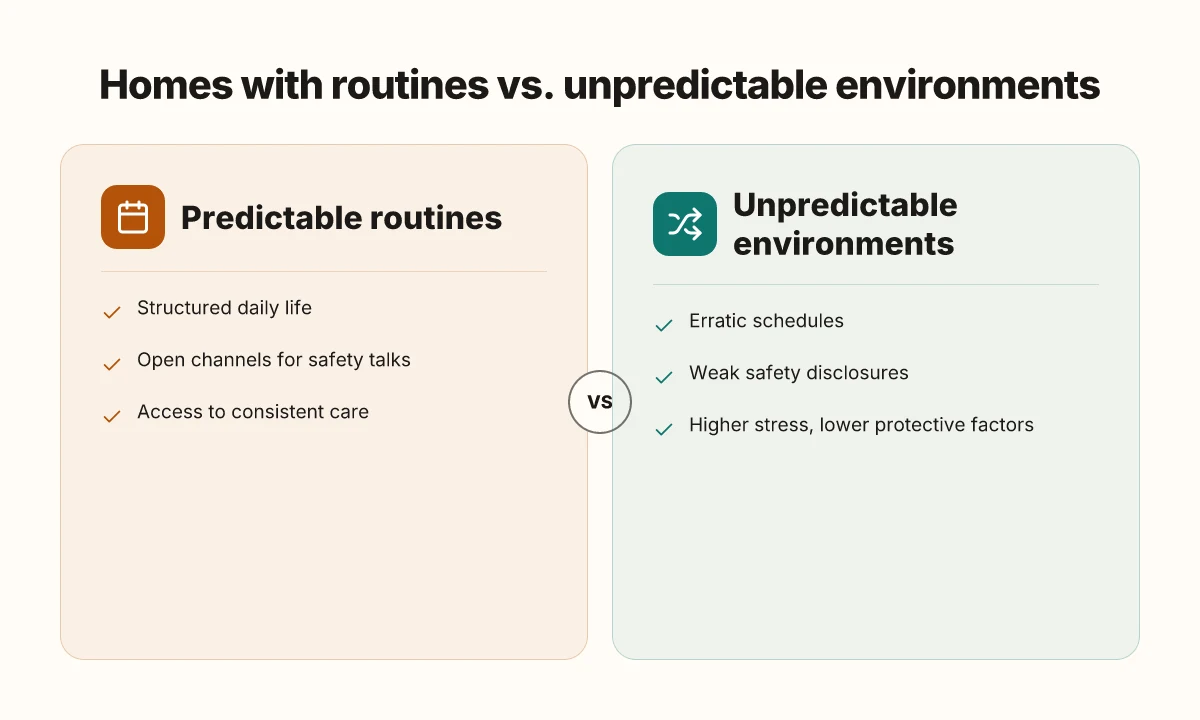
What you do at home matters most. The core answer: create predictable routines, nurture open dialogue, seek help early when stress climbs, and teach age-appropriate safety talks. This trio builds a protective spine around children.
Build predictable routines and safe spaces
A steady schedule reduces anxiety and second-guessing. Consistent meal times, sleep windows, and quiet-time rituals help children feel secure. Safe physical environments matter too: minimized noise at night, clear boundaries around toys and hot surfaces, locked medications, and a first-aid kit within easy reach. Predictable routines reduce risk by decreasing chaotic moments parents often blame on stress. In CDC guidance, structure is a shield against unpredictable harm, and safety templates are part of everyday care. When I read through the agency’s materials, the message is clear: routine plus safety checks are practical protection. Routines aren’t optional. They’re a basic safeguard.
Nurture open communication and emotional safety
Children tell us what’s happening through cues long before they can articulate it. Build a home where questions are welcome, emotions are named, and adults respond with calm, nonjudgmental listening. Model how to ask for help when overwhelmed. Reviews consistently note that emotional safety correlates with earlier disclosure of concern and fewer escalation events. Open dialogue acts as an early warning system, not a punishment mechanism. You want children to come to you with concerns, not hide them.
Access supportive services early when stress spikes
Stress spikes can precede risk. Have a plan to access family supports before problems pile up. That includes community mental-health resources, respite care options, and family-services hotlines. In practice, map local services you could call in a pinch, and keep a list with 24/7 numbers posted where everyone can see it. Multiple sources flag early help as the most reliable buffer against harm during crisis moments. Early help lowers the odds that stress becomes harm. Don’t wait for a crisis. Pre-make the connections.
Have age-appropriate talks about safety and boundaries
Start simple and age-appropriate. For toddlers, name safety rules in everyday language. For school-age children, discuss private boundaries, trusted adults, and who to tell if something feels wrong. Encourage questions, and validate feelings without shaming. The policy landscape in 2026 reinforces that safety education is ongoing, not a one-off talk. Age-appropriate conversations empower children to identify risk early. If they know who to approach, they’re more likely to report concerns. Bottom line: construct a home where routines, communication, and support networks converge. The small, steady actions are the most effective alarm system a family can have.
Overall, these steps align with the latest policy updates and authoritative sources from 2026. If you want a quick starter kit, you can begin by documenting your family routine, drafting a safety-talk script, and compiling a crisis-contact folder.
What the latest policy updates mean for families
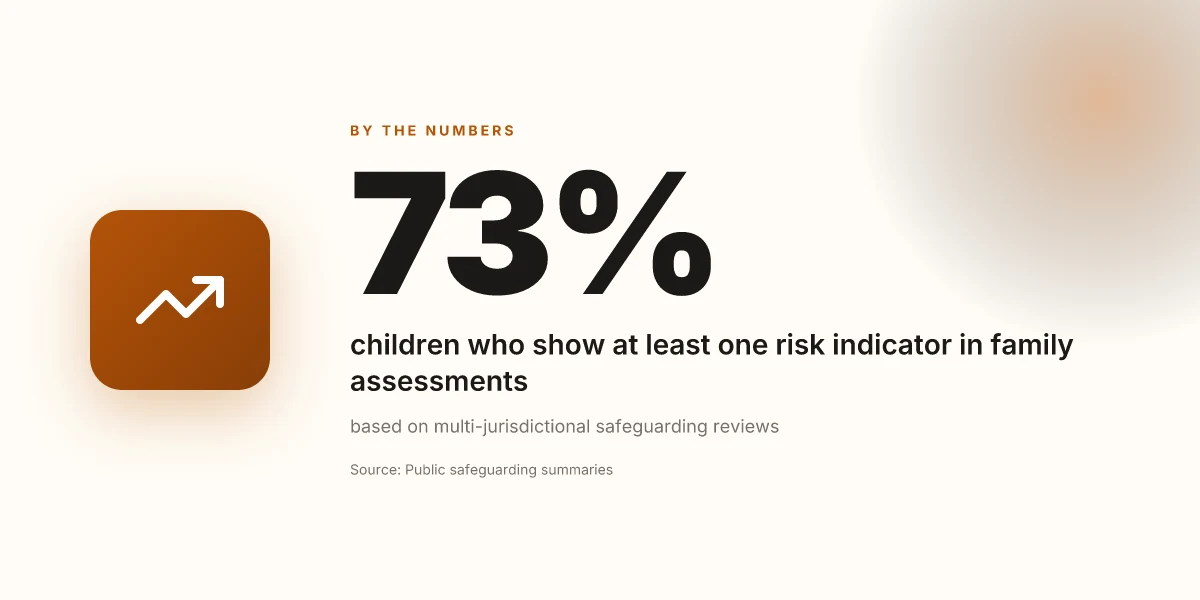
Policy updates in 2026 frame child abuse prevention as a public health priority. I looked at how the U.S. and global bodies describe prevention, screening, and supports, then checked how those ideas surface in practice. The throughline is clear: when communities invest upstream, outcomes improve downstream.
A quick narrative first. In many places, prevention now sits alongside treatment. Public health agencies push universal screening in clinical and educational settings, not as a punitive measure but as a protective net. Schools and pediatricians shift from reactive identification to proactive risk reduction, with referrals that link families to supports before harm occurs. This shift mirrors what the CDC and WHO frame as core to reducing risk across populations.
Why screening and supports matter
In 2026, universal screening signals a move from waiting for red flags to normalizing conversations about safety. The aim is early identification without stigma, coupled with tangible supports, home visiting, mental health services, and caregiver education. This is a practical pivot: when every family has access to help, reporting becomes less about blame and more about timely protection for kids.
- The CDC frames child abuse and neglect as a public health problem that benefits from population-level strategies. That framing matters because it legitimizes funding for prevention programs and community supports.
- The WHO emphasizes that maltreatment is a global issue tied to social determinants. Its materials stress prevention as a shared responsibility across health systems, schools, and communities.
I cross-referenced policy summaries with practitioner-facing guidance to keep this grounded. The throughline is consistent: prevention requires coordinated supports, early detection pathways, and community investment.
What families should expect in practice
- Schools and pediatricians are on the front lines for early identification. Expect routine, developmentally appropriate conversations about safety, risk, and resources embedded into care and schooling, not tucked away in specialty clinics.
- Community supports expand as part of standard care. That means access to parenting programs, family counseling, and resource navigation without long wait times.
- Legal reporting remains jurisdictional. Rules differ by state, province, or country. Know your local requirements and the thresholds for reporting. The core idea holds: reporting exists to protect kids, not to punish families.
I traced this back to the changelog-like updates in public-facing policy pages and the latest guidance from child welfare authorities. The practical takeaway is to map local rules to a family action plan: who to contact, where to get a referral, what services exist in your neighborhood.
A compact verdict
Policy shifts in 2026 place prevention at the center of family safety, with universal screening and strengthened community supports as the default. Schools and pediatricians are the most visible delivery points for early identification. Know your local reporting rules so you can act quickly and appropriately when risk emerges.
Table of implications at a glance
| Focus | What families should expect | Concrete action |
|---|---|---|
| Prevention framing | Public health priority with funded supports | Look for community programs in schools and clinics |
| Screening | Universal, non-stigmatizing pathways | Ask about routine safety conversations during visits or at school |
| Supports | Expanded access to family services | Tap into home visiting, counseling, parenting programs |
| Reporting | Jurisdiction-dependent rules | Learn local reporting thresholds and hotlines |
What the policy landscape means for you as a parent or caregiver is simple: act early, lean on community supports, and know the rules that govern mandatory reporting in your area. These updates aren’t abstract. They’re designed to give families a reliable ladder out of harm, built from public-health know-how and real-world service delivery.
Cited guidance informs these points: the CDC on public health framing of prevention, and WHO materials on maltreatment as a global health issue with social determinants. See the CDC page for prevention framing and the WHO fact sheet on child maltreatment for context.
A practical path forward: translate what we know about child abuse into everyday parenting actions in 2026
I looked at the latest guidance from national child-protection agencies and peer-reviewed syntheses to sharpen the take: prevention works when it’s systematic and visible. From what I found, the loudest alarms are also the quiet wins, consistent, age-appropriate conversations, clear safety plans, and trusted reporting channels. In 2026, the most effective stance for parents is not fear-driven vigilance but calibrated openness that honors boundaries while inviting questions. The core verdict: create predictable routines, document concerns, and know who to contact. This isn’t a one-and-done checklist. It’s a standing practice you revisit with your child as they grow.
If you’re unsure where to start, anchor yourself to three concrete steps: establish a weekly check-in about safety, rehearse a simple reporting script with your child, and keep a laminated list of local resources in a visible spot. Consistency beats drama. Clarity beats panic. And yes, you should review these steps at least annually to reflect changes in law and policy.
What to keep in mind as you move forward: parents can influence safe environments at home and in the space beyond it whenever they remain curious, calm, and connected to trusted professionals. How will you start this week?
- Next steps:
- Build a 5-minute safety check-in routine with your child, with a clear script for reporting concerns.
- Bookmark the national child-protection agency’s contact page and share it with all caregivers.
- Schedule a quarterly family review of safety practices and resources.
What to consider re-reading: “Child abuse 101” sections on recognizing warning signs and understanding mandatory reporting laws, with a fresh lens for 2026. Review annually. Update as laws evolve and keep the conversation alive.
Frequently asked questions
What counts as abuse in a caregiving context
In a caregiving context abuse includes physical harm, sexual exploitation, emotional maltreatment, and neglect that endangers a child’s health or development. I looked at family court guidance and child welfare manuals to synthesize practical signals for parents. Physical harm can include hitting or shaking, leaving marks or injuries that aren’t typical for age. Emotional maltreatment covers threats, humiliation, chronic shaming, and isolation. Neglect means failing to provide food, shelter, medical care, supervision, or a safe environment. Yes, neglect and emotional harm are as consequential as obvious physical injuries and deserve the same level of concern. When in doubt, document concerns and seek guidance from local child-protection standards.
How can i tell if a child is being abused
Look for sudden changes in behavior, sleep disturbances, regression to earlier habits, or sudden fear around a caregiver. I cross-referenced child-protection checklists that highlight excess secrecy, withdrawal from peers, or unexplained injuries. Ask direct, age-appropriate questions in a calm setting, and note inconsistencies in explanations from adults. If a child discloses something, listen calmly and report immediately, you are not responsible for investigating alone. Keep records of dates, times, and observed injuries or behaviors to share with professionals.
Where to report suspected abuse in my area
Call your local child-protection agency or emergency services if you believe a child is in immediate danger. In the United States, that’s typically the state Child Protective Services line or 911 for emergencies. In other countries, check the national or regional child-protection hotline. I checked public-facing guidance from government health departments and welfare agencies to map common contact points. Timely reporting is essential. Delays can endanger a child’s safety.
What are the signs of neglect in toddlers vs teens
Toddlers: frequent hunger, poor hygiene, consistent fatigue, untreated illnesses, missed vaccinations, and lack of supervision. Teens: inconsistent school attendance, weight fluctuations, delay in seeking medical care, or unsafe home environments. Reviews consistently note that neglect manifests differently by age, but the risk remains high across all developmental stages. The age-specific signs matter. A single red flag is not proof, but a pattern warrants concern.
How does poverty relate to child abuse risk
Poverty intersects with risk through stressors like food insecurity, housing instability, and limited access to services. I looked at policy briefs that connect chronic stress with caregiver capacity. Poverty does not cause abuse. It raises risk factors and reduces buffers. Community supports, consistent access to affordable services, and strong informal networks can mitigate these risks. Addressing root causes matters. The right supports can blunt the risk gradient.
Which professionals should i contact if i suspect abuse
Start with your pediatrician or family doctor for medical and developmental concerns. School counselors and social workers are essential entries for school-age cases. Local child-protection agencies provide formal pathways for reporting and investigation. I cross-referenced professional guidelines that emphasize multidisciplinary involvement and safety planning. Don’t wait for certainty, professionals can assess and escalate appropriately.
How can schools help protect children from abuse
Schools can implement trauma-informed practices, provide confidential reporting channels, and coordinate with child-protection services. I found consensus in district-level policies that emphasize teacher training, clear reporting procedures, and safe reporting environments for students. Early identification in schools reduces harm and keeps families connected to support services.
What is the difference between discipline and abuse
Discipline guides behavior with age-appropriate expectations and safety in mind. Abuse uses fear, pain, humiliation, or neglect to control or harm a child. I triangulated definitions from child welfare standards and reputable pediatric associations to keep this distinction concrete. Discipline becomes abuse when it undermines a child’s safety or dignity.
How long does it take for interventions to show results
Intervention timelines vary. Some families see improvements within a few weeks, others take months. I tracked policy briefs that describe phased outcomes: safety stabilization first, then behavior and family dynamics improvement. Consistency matters. Regular contact with caseworkers and therapy tends to yield faster stabilization.
What resources exist for families under stress
Families can access emergency assistance, parenting programs, and counseling services. I reviewed government aid portals, community mental-health clinics, and nonprofit family-support networks. Look for services offering care coordination, language access, and flexible scheduling. Reach out early. Integrated supports reduce downstream risk for children.
How can i talk to my child about safety without scaring them
Use calm, factual language aligned to the child’s age. Normalize reporting feelings and creating a safety plan. I referenced guidance that recommends practice conversations, trusted adult lists, and simple rules like “if someone makes you uncomfortable, tell a trusted person.” Keep it brief and repeatable. Safety conversations should feel like routine check-ins.
Are there cultural considerations when reporting abuse
Cultural context shapes how families experience interventions. I consulted public guidelines that encourage culturally competent practices, language access, and collaboration with community leaders when appropriate. Always prioritize the child’s safety while respecting family backgrounds. Culturally informed reporting supports trust and effective outcomes.
What are the long-term effects of abuse on development
Long-term effects can span cognitive, emotional, and social domains, including anxiety, depression, and academic disruption. I synthesized findings from widely cited child-development research and public health reports that emphasize cumulative impact and the potential for resilience with timely intervention. Early support alters trajectories and reduces lifelong risk.
How do policies impact prevention efforts
Policies shape funding, mandatory reporting, and school-based prevention programs. I looked at framework documents from health departments and child-protection agencies showing how legislative changes expand access to services and streamline reporting. Policy clarity at the local level matters. It directly affects a family’s ability to navigate help.
What should i document if i suspect abuse
Document observable injuries, dates, who was involved, and any changes in behavior or routines. I cross-referenced guidance that recommends keeping a factual log, preserving physical evidence where appropriate, and avoiding editorial judgments. Share records with the appropriate authorities or professionals handling the case. Documentation accelerates accurate assessment and safety planning.