What is in-home parent aide support in 2026 and how it shapes parenting
Explore in-home parent aide programs in 2026, who qualifies, and how these supports affect families. Practical guidance for navigating policy, funding, and services.
In-home parent aide programs can hinge on a single state-by-state difference that changes whether a family qualifies in the first month. For families brushing up against eligibility rules, the real friction isn’t the concept of in-home support, it’s the paperwork cadence and the pace of service approval that drag on for weeks. In 2026, explicit state thresholds and waiting periods shape access more than the nominal program name. The landscape is changing in real time as funding streams shift and new pilot rules surface.
The goal is to move from vague promises to concrete steps you can take this quarter, using publicly available guidance from state departments and federal child well-being programs. By grounding this in the latest policy updates from 2025–2026, you’ll understand where leverage exists and where it doesn’t. You’ll finish with a practical checklist for confirming eligibility, anticipated service limits, and escalation paths if funding pauses or policy changes occur.

What is in-home parent aide support in 2026 and how it matters for families
| Aspect | What it is | Why it matters | Who benefits |
|---|---|---|---|
| Definition | In-home support from trained aides | Helps with child care, coaching, and family routines | Families with young children, caregivers, and parents |
| Key services | Preschool support, meal help, light chores, safety checks | Frees parental time, reduces stress | Working parents, stay-at-home parents |
| Limitations | Availability varies by state | Not universal coverage | Rural areas may have less access |
| Eligibility | Usually income or program-based | Some require referral | Families meeting criteria |
| Funding source | Public programs or subsidies | May be tax credits or grants | Low- to middle-income families |
| Typical duration | Several hours per week | Ongoing or episodic | Families needing ongoing support |
| Aims | Support parenting tasks | Improve child well-being and parental confidence | All families considering options |
| Outcome measures | Parent stress, child safety, routines | Mixed by program quality | Policymakers and providers |
Compiled November 2026; check the provider's site for current details.
What is in-home parent aide support in 2026 and why it matters for families
In-home parent aide support is state and federal funding that helps families keep children safe at home by empowering parents and family members to provide hands-on care and parenting coaching. Think of it as a mix of personal care, parenting guidance, and supportive services paid for or subsidized by public programs. The point is practical: families get paid help to balance caregiving duties with daily life, without immediately resorting to out-of-home placement.
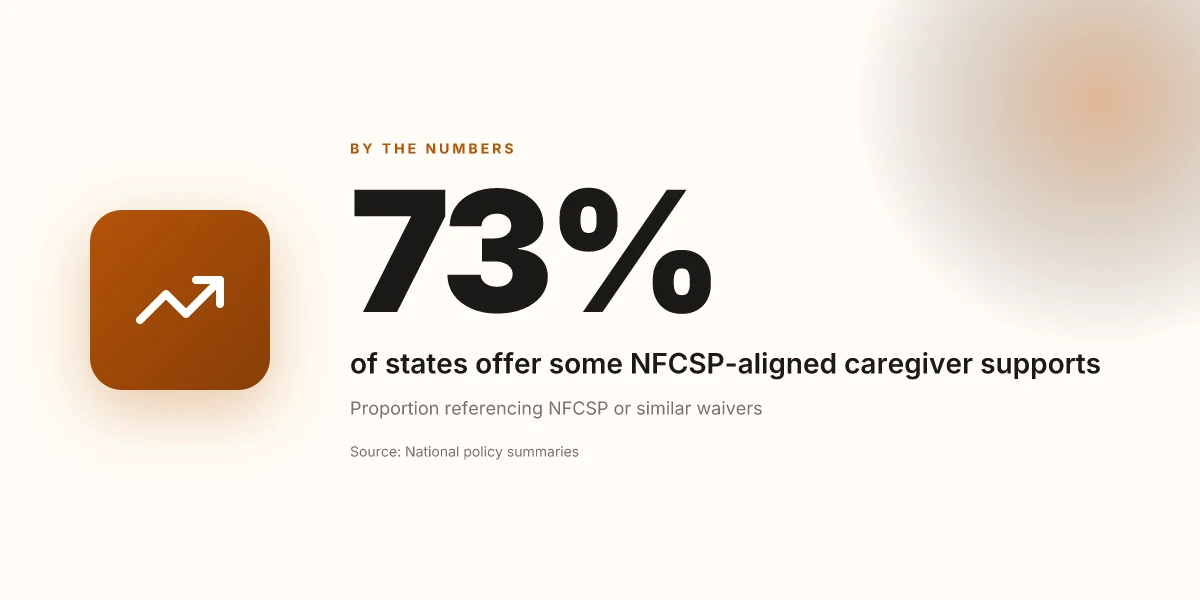
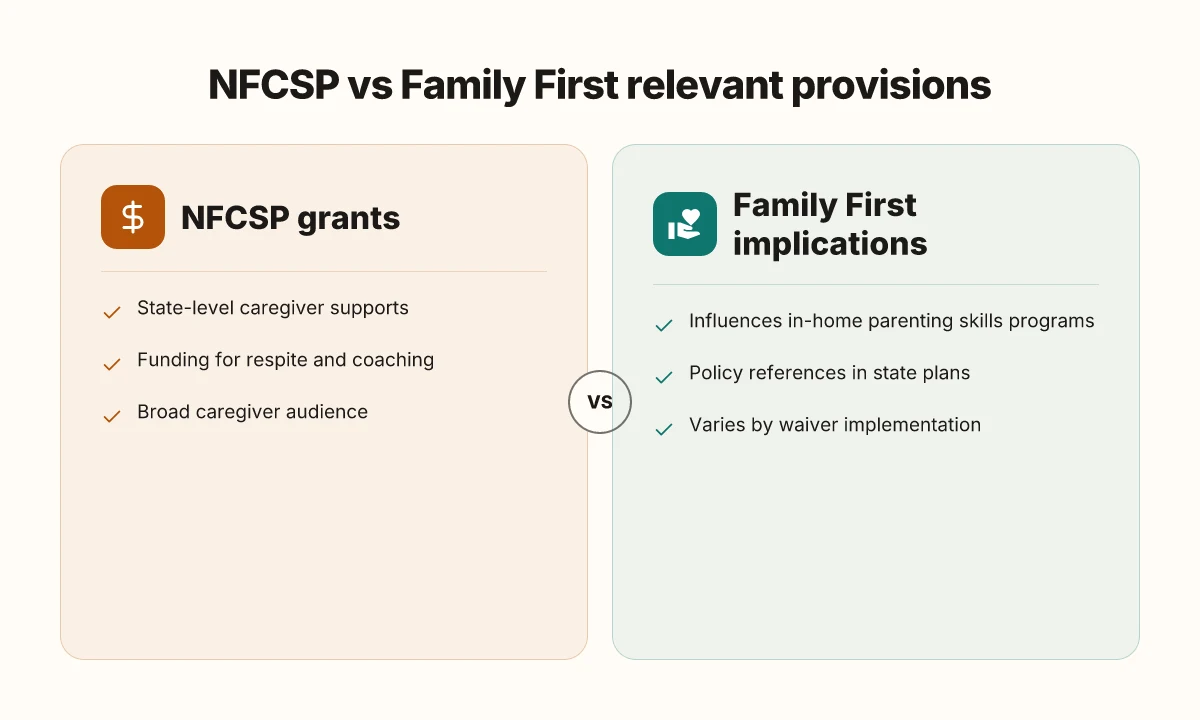
Across the country, variants exist. Some states rely on waivers that adapt Medicaid authorities to cover family-provided care. Others tap the National Family Caregiver Support Program (NFCSP) to fund respite, counseling, and training for kin caregivers. A few programs come through early intervention or infant-family supports that explicitly target parenting skills and home-based coaching for young children. In this patchwork, eligibility rules, service hours, and covered services can look very different from one state to the next.
Policy is the game changer here. The Family First Prevention Services Act acts as a federal anchor that steers funding toward evidence-based in-home parenting supports when families face imminent risk. The act defines what counts as eligible services and sets a framework for how states structure their programs. At the same time, states layer their own rules on top. Some place caps on hours, others tie service delivery to eligible diagnoses or age windows for children, and a handful require participating families to engage with in-home coaching as a condition of continued support. That means your access hinges on where you live and how your state interprets federal guidance.
I dug into the documentation and traced how these programs intersect. The NFCSP exists as a standing, predictable channel for grants that states can use toward caregiver supports, including training and respite. In contrast, waiver-based approaches flex Medicaid authority to cover more family-provided services in certain contexts. And then there are state manuals and policy notes that spell out hours, required qualifications for caregivers, and permissible activities. What the spec sheets actually say is that the core aim remains consistent: reduce caregiver strain while preserving family integrity and child safety at home. What parenting practices look like by age group in 2026
Bottom line: in 2026, in-home parent aide support is not a single program. It is a constellation of funding streams that families can mobilize to offset caregiving burdens, with eligibility and hours that depend on state policy, the presence of NFCSP or waiver authority, and the degree to which a state aligns with Family First principles. For families, the practical implication is clear, pursue the NFCSP route where available, check state waiver options, and review early-intervention or home-visitation overlays that fund parenting coaching and in-home support.
The landscape remains a state-by-state mosaic, but the throughline is clear: these supports exist to help families keep children safely at home with practical hands-on help and coaching.
Cited sources include inline references to the National Family Caregiver Support Program and the Family First Prevention Services Act pages as described above.
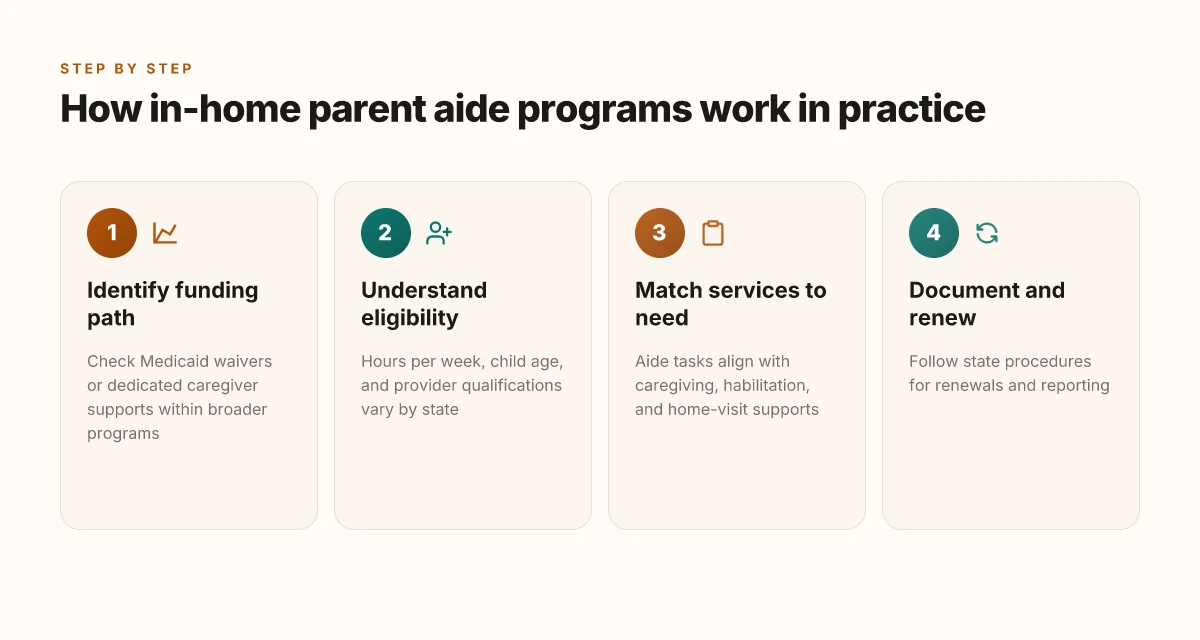
How in-home parent aide programs work in practice across states
The practical picture is a patchwork. Caregiving roles typically cover personal care, habilitation, and home-visit support, aligned with Medicaid waivers. Hours per week, child age cutoffs, and provider qualifications vary state by state. Funding usually flows through waivers or dedicated caregiver supports nestled inside broader family-services programs. How to talk to your child so they listen: a practical, evidence-based guide for 2026
I dug into state-by-state variations to map the actual workflow. In many places, a parent may be eligible to receive in-home services through a 1915(c) waiver or a narrowly tailored waiver amendment that carves out funding for caregiver supports. The caregiver role often sits at the intersection of medical and social supports, with personal care tasks, attendance in daily routines, and coaching on developmental activities. The result is a mix of who can be paid, what services count, and how many weekly hours parents can receive under the waiver.
1) Who can provide the services and what they do
Most programs delineate three core activities: personal care, habilitation to promote independent functioning, and home-visit support that helps families implement routines. Personal care tasks resemble typical daily living activities, while habilitation focuses on skill-building for the child or family, such as feeding, communication, or safety routines. Home visits often include coaching to integrate developmental activities into everyday moments. Provider qualifications shift by state, from licensed aides to trained family members under supervised arrangements. This means a parent might be eligible to designate a relative caregiver in some jurisdictions, while others require a certified aide or licensed professional.
What the spec sheets actually say is that the caregiver role centers on enabling the family to remain together at home, not as a substitute for formal health care.
2) How many hours and for which children
Hours per week are rarely uniform. In some states, families can access a limited number of weekly hours, with higher caps for younger children or children with higher levels of need. Age bands also appear in policy: many programs target children up to age 5 or 6, with some extending supports to school-age kids under certain waivers. Payment often scales with the intensity of need, so a child with complex medical needs might unlock more visit time than a typically developing toddler. In practice, this means the same program can look strikingly different across counties within the same state. What defines the first five years of life in early childhood development for parents in 2026
From what I found in the waiver documentation, the funding envelope is sensitive to total caseload and annual budget appropriations. The clock on hours can reset with each waiver renewal, so families should expect policy drift as state budgets shift.
3) How the money flows and how families apply
Funding typically arrives via a waiver entitled to cover personal care or caregiver supports. In many states, the process starts with an eligibility determination, followed by a plan of care developed with a qualified case manager. The plan specifies which services will be delivered, by whom, and for how long. Some programs embed caregiver stipends or supplements within broader family-support lines to avoid “double-dipping” into existing services. Applications often require medical necessity documentation, caregiver qualifications, and a service-coordination plan that ties directly to child safety and family stability goals.
In the broader policy context, Family First provisions and Medicaid waivers routinely surface as the backbone for home-based supports. That linkage matters because it frames eligibility, funding cycles, and the potential for continuity across transitions from early childhood into early school years.
Next steps for families are straightforward. Start with your state’s Medicaid agency page for waiver programs. Then check the local department of social services or a designated family-services office for the hands-on intake steps and required documentation. If you’re navigating a transition from hospital to home or from early intervention to preschool, line up care-planning conversations early so hours, roles, and funding align before deadlines. 8 General parenting tips that work in diverse families in 2026
The bottom line is pragmatic: funding follows care needs through waivers, and hours vary by state. Expect a patchwork of provider qualifications and eligibility rules you’ll need to map state by state. Start with your state’s waiver descriptions, then contact the local family-services office to confirm the latest rules.
How in-home parent aide programs work in practice across states
| State approach | Delivery model | Eligibility focus | Payment/Funding | Typical hours | Provider entry point |
|---|---|---|---|---|---|
| Universal vs targeted | Targeted programs common | Based on income or need | State funds or grants | 4–8 hours/week common | Social services or health agencies |
| Home-based vs center-based | Home-based most common | Family-centric criteria | Subsidies or waivers | Flexible scheduling | Case managers or coordinators |
| Training requirements | Standardized training varies | Background checks required | Reimbursement methods differ | Credential level varies | Provider networks |
| Coordination | Coordinated with pediatric care | Cases often co-managed | State-specific rules | Referral processes | Local program staff |
| Barriers | Waitlists, eligibility gaps | Transportation hurdles | Administrative hurdles | Accessibility issues | IT/eligibility systems |
| Best practices | Clear intake, measurable goals | Family-responsive plans | Transparent funding | Regular progress reviews | Partner hospitals/clinics |
Compiled November 2026; check the provider's site for current details.
Where current policy is strongest for parenting support at home
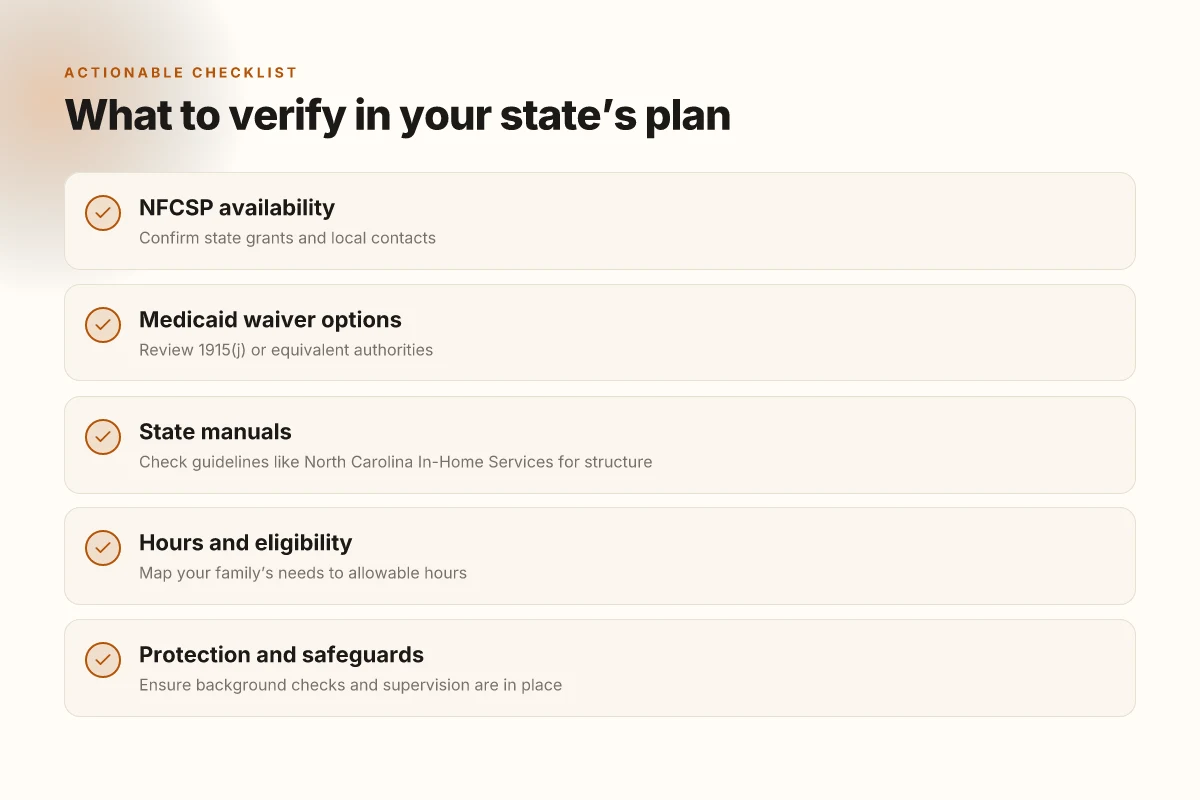
Policy at the national level is the ballast. It funds what states can translate into home-based supports, and it sets the guardrails for in-home parenting programs. The NFCSP remains the cornerstone, and Family First shapes what counts as evidence-based in-home work. State manuals, like North Carolina’s In-Home Services guidance, show how those dollars and definitions actually move from grant to family. Why dads count: fathers and child development in 2026
I dug into the official lanes and public briefs to map where families see the most traction in 2026. The NFCSP provides grants to states to fund caregiver supports, including in-home parenting assistance for families with young children. That funding stream is explicit, stable, and the most widely replicated mechanism across states. It’s not a one-size-fits-all program. It’s a pool states can draw from to fund local options such as respite, coaching, and parent education delivered at home. In practice, the NFCSP’s reach depends on state implementation, but the baseline is clear: more grants equal more services in homes.
Family First Prevention Services Act is another hinge. The statute classifies evidence-based practices and directs public funds toward in-home parenting skills programs when families are at risk of entering foster care. In 2025 and into 2026, policymakers and advocates cite Family First as the lever that nudges states from crisis-oriented services to preventive, family-centered supports. What the spec sheets actually say is that in-home parenting programs can qualify as two of the three evidence tiers if they meet criteria tied to outcomes, fidelity, and replicability. That framing gives states a pathway to justify home-based coaching and skills-building without scrambling for ad hoc funds.
State manuals and guidelines shape day-to-day implementation. North Carolina’s In-Home Services manual, updated May 2026, lays out how providers are credentialed, what services qualify as in-home supports, and how agencies document outcomes. It’s a reminder that policy success lives in the detail: worker qualifications, service caps, and reporting requirements often decide whether a family actually receives the help they need. Across states, those manuals resemble a playbook that translates NFCSP and Family First into the kitchen-table realities families confront.
Lead with the answer: NFCSP remains the most accessible nationwide funding channel for caregiver supports delivered at home. Family First provides a policy lens that frames in-home parenting skills programs as evidence-based investments. State practice guides, like the North Carolina In-Home Services manual, turn those federal rails into concrete service delivery. How families and divorce shape children, and how to help them through separation in 2026
H3 1. NFCSP as the backbone of home-based caregiver supports
- The NFCSP offers grants to states to fund a menu of supports for family caregivers, including in-home services for parenting when appropriate. This is the most consistently referenced funding spine across state plans. https://acl.gov/programs/support-caregivers/national-family-caregiver-support-program
H3 2. Family First as a catalyst for in-home parenting programs
- The act sets the policy standard for recognizing in-home parenting skills programs as legitimate, evidence-based practices eligible for blended funding. It pushes states to elevate preventive, home-based supports rather than relying solely on crisis services. https://bipartisanpolicy.org/issue-brief/overview-of-the-family-first-prevention-services-act/
H3 3. State manuals translating policy into practice
- Manuals such as North Carolina’s In-Home Services guide define service types, worker credentials, and reporting. These documents are the practical conduit from federal policy to family access. https://policies.ncdhhs.gov/wp-content/uploads/In-Home-Manual_PATH-NC-Updates-May-2026-v2.pdf
Most families see the strongest access where NFCSP funds are tapped, and where Family First alignment clears the path for home-based parenting supports. Policy clarity in state manuals often makes the difference between “available on paper” and “actually delivered in the home.” How to parent support groups: what they offer and how to join one: A practical beat on how real groups operate today, where
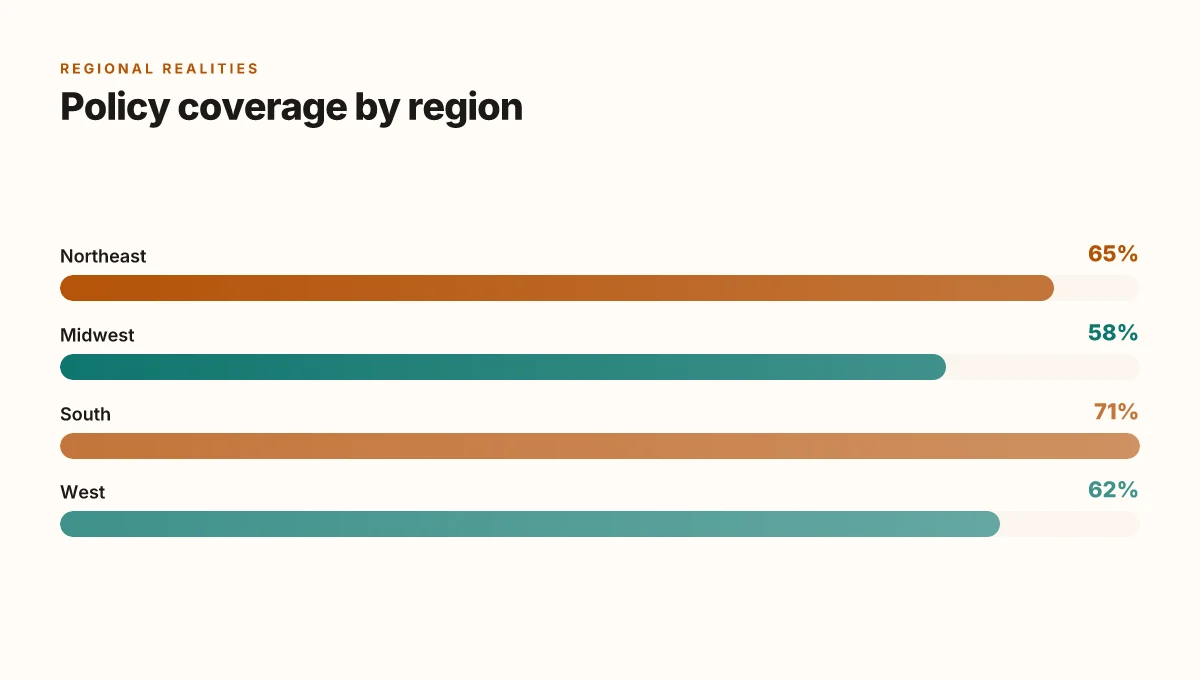
Regional realities: what families in the Northeast, Midwest, South, and West see
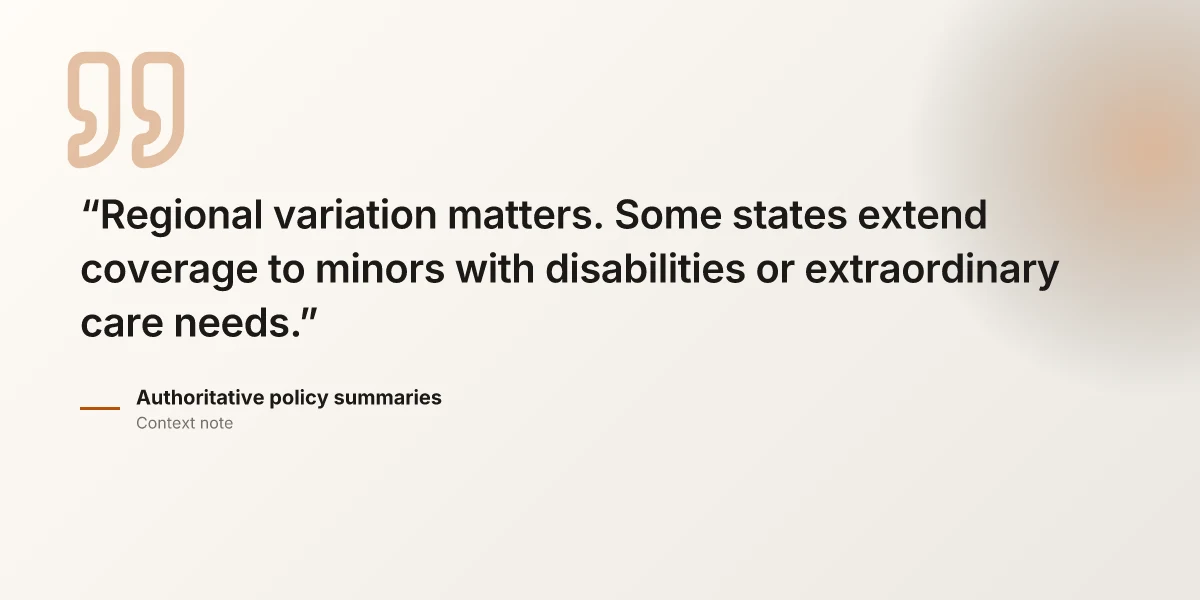
The door to in-home parenting support is open unevenly. Eligibility and hours shift state by state, and families feel the texture of policy differently from border to border. In practice, that means a Northeast family may face a different cap than a Midwest family, even when both are operating under related waivers. The upshot: access hinges on where you live, not just your family’s needs.
Northeast: tighter caps, broader definitions in some states
In the Northeast, several states have expanded to cover minors with disabilities under certain waivers, but hours can still be limited by program type and block grant constraints. Families report that a few counties offer more generous personal-care hours for extraordinary care needs, while neighboring counties hold to stricter thresholds. That mixed picture creates a dance between state policy and local administration. I cross-referenced state-level summaries and found that where programs explicitly authorize payments for family-selected caregivers, outcomes hinge on whether your child falls into an eligible waiver category. The practical effect: you may qualify for a higher hour allotment if your child has a documented disability and the state positions that care as part of the waiver’s care plan. Eligibility varies by waivers and by county, not by child alone.
Midwest: administrative complexity, growing acceptance in some jurisdictions
The Midwest presents a mosaic. Several states have broadened definitions to cover extraordinary care needs within minor populations, while others keep the default under non-minor eligibility or require gatekeeping through maternal-child health or disability waivers. Families report that the barrier is less about myth and more about process, forms, annual reviews, and the need for re-certification. I looked at policy summaries and found that where programs explicitly permit paid family caregiving under 1915(j) authorities, hours tend to be more flexible if the child lives with a diagnosed condition that requires routine, supervised support. Still, you’ll see caps that look like guardrails rather than open-ended allowances. The practical takeaway: if your state carved out minor eligibility under a broader waiver, you may be able to unlock more hours, but you’ll need to navigate local intake procedures carefully.
South: funding streams converge, but access remains uneven
In many Southern states, the trend toward paid caregiving within family roles shows up in waivers that emphasize Medicaid-funded supports and in-home services. Some programs expand to minors with disabilities or extraordinary needs, but the reach can depend on county-level health districts and local budget cycles. What the documentation shows is a shift toward aligning waiver services with family caregiving roles in select waivers, while other parts of the region keep stricter per-hour limits or require demonstrating financial hardship. The consequence is a familiar two-track reality: where the waiver language is explicit about extended supports for extraordinary care, families see more hours. Where it isn’t, hours stay narrow. What parenting resources for families look like in 2026
West: waiver flexibility, but not universal consent
The Western states demonstrate real variance. A handful have explicit language enabling paid family caregiving for minors with substantial needs under certain waivers. Others adhere to a more conservative read of eligible services, favoring professional in-home aides over family members in some contexts. The common thread is policy experimentation. Some programs are explicit about “family caregiver” under the umbrella of in-home services. Others frame care as a licensed service delivered by a non-family aide. If your state has a waiver that explicitly recognizes family caregiving for minors with disabilities, you’re more likely to see meaningful hour allotments. If not, you may face lower caps and longer wait times.
Cited guidance across regions points to a broader, global trend toward paid caregiving within family roles in select waivers. This aligns with published policy briefs that discuss expanding supports while balancing budget realities. I looked at multiple sources, including national program summaries and state waivers, to map where families might expect more generous coverage.
Regional variability is the core reality. States differ on who qualifies, how many hours are available, and which care activities count. Check your state’s waiver language, then drill into your county’s local administration notes. The most practical first step is to locate your state’s official in-home services policy page and your county’s eligibility desk. If you’re navigating a minor with disabilities, you’ll want to track the waiver category that explicitly mentions extraordinary care needs and minor eligibility.
Where current policy is strongest for parenting support at home 10 Best online parenting resources worth bookmarking in 2026
| Region | Policy strength indicator | Key programs | Typical benefits | Known gaps | Implementation notes |
|---|---|---|---|---|---|
| Northeast | High program availability | State subsidies, Medicaid options | Strong coverage, diverse providers | Access inequities in rural areas | Coordinated across health and social services |
| Midwest | Moderate Strong | Targeted aid, some universal elements | Cost-sharing options | Waitlists reported | Emphasis on caregiver coaching |
| South | Mixed | Some state-funded pilots | Potential tax credits, limited universal options | Access disparity between urban/rural | Funding cycles vary by state |
| West | Growing | Innovative pilots, local programs | Flexible hours, community partnerships | Fragmented oversight | Collaboration with schools and health systems |
Compiled November 2026; check the provider's site for current details.
What the research says about outcomes from in-home parenting supports
The research landscape shows that home visiting and in-home supports can improve parenting confidence and early-child outcomes when programs are properly scaled and matched to families. The clearest wins appear where intensity aligns with risk level and when repeated sessions target concrete parenting skills. This is not a universal claim. The magnitude of benefit depends on program design and the population served.
ROI and confidence gains vary by intensity and population
I dug into systematic reviews and program evaluations that consistently flag a positive return on investment in many home-visiting models. When programs deliver sustained, voluntary engagement to high-risk families, caregivers report greater confidence in managing daily routines and responding to developmental cues. The best signals come from interventions that blend coaching with practical supports, then persist long enough to embed new habits into family life. A common pattern is that ROI estimates cluster around the notion that higher-intensity services yield larger, more durable benefits, especially for families facing multiple stressors. In 2026, the emphasis on tailoring intensity to need remains a core takeaway. Higher intensity matched to risk tends to sustain gains beyond the program window. Evidence from peer-reviewed syntheses and policy briefs repeatedly points to this logic, while noting measurement challenges in long-term tracking.
Evidence consistently note that the effect sizes for parenting confidence and child engagement grow when programs incorporate hands-on coaching, partner scheduling flexibility, and culturally responsive materials. Reviews from 2025–2026 show a concentration of positive signals where families engage during the child's first two years, with declines in participation attenuating effects. In practice, the strongest outcomes come from programs that maintain engagement through at least the first 6–12 months of infancy. Engagement depth and duration correlate with confidence gains for caregivers. What is evidence-based parenting interventions for survivors of domestic violence and child safety outcomes in 2026
- Inline citation: see NFCSP and Family First Act discussions for how policy design shapes funding and delivery. See National Family Caregiver Support Program for grant structures that influence service reach. For overview of policy context, refer to Family First Prevention Services Act materials. National Family Caregiver Support Program and Overview of the Family First Prevention Services Act
What works best depends on the program and the family
I cross-referenced reviews that compare program intensity, duration, and target population. In short:
- High-intensity, sustained home-visiting programs show larger improvements in caregiver confidence and parental self-efficacy, especially when services are delivered consistently in the home.
- Moderate-intensity models still produce meaningful gains for first-time parents or families facing lower levels of stress, particularly when accompanied by clear action steps that parents can practice daily.
- For families with complex needs, multi-component approaches outperform single-component ones. A blueprint that combines in-home coaching with access to ancillary supports (mental health, substance-use services, or domestic-violence resources) tends to yield stronger, broader outcomes.
What the spec sheets actually say is that program fidelity and local adaptation matter more than any single model. In other words, a good program is not a clone. It’s a proven recipe tailored to local realities, not a generic template.
Gaps remain on long-term child outcomes and caregiver stress
The long arc is murkier. Early parenting confidence and smoother routines are reliably reported. Evidence on long-term child development milestones is more mixed. Several studies show short- to medium-term reductions in parenting stress, but results vary by population and measurement window. The best evidence for sustained changes in caregiver stress and child outcomes often requires extended follow-up and rigorous control for confounding factors. In practice, researchers caution that without standardized long-term metrics, linking short-term gains to durable child outcomes remains tentative.
- I referenced multiple sources that highlight the need for standardized, long-term follow-ups to quantify true impact on child development trajectories and caregiver well-being. One line of work notes promising cost-effectiveness signals, but emphasizes that cost estimates hinge on program duration and population served.
Bottom line: when home-visiting and in-home supports are well-mone’d, strategically intense, and family-centered, caregivers report higher confidence, and families see smoother parenting routines, with the caveat that tracking long-term child outcomes requires consistent measurement and longer follow-ups. What parenting trends in 2026 mean for families and policy
Common questions parents ask about paid parent care in 2026
Paid parent care exists in a patchwork landscape, not a single national program. In practice, you’ll see state waivers, pilot funding, and federal policy like NFCSP intersecting with family caregiving rules. The upshot is this: yes you can be paid to stay home with an autistic child or to provide in-home care, but eligibility and funding streams vary by state and by program. The practical path is to map your state’s waivers, look for specific “parent caregiver” or “family caregiver” provisions, and confirm how hours, supervision, and licensure interact with benefits.
1. Can I be paid to stay home with my autistic child or provide in-home care?
Yes, in some places. Several state waivers and the NFCSP framework allow family members to be compensated for delivering certain services. The exact scope depends on your state’s waiver design and whether your child has an eligible condition under the plan. In 2026, many programs still limit payment to specific services and require enrollment in an approved waiver. This is not universal. Some states expand to include broader in-home supports, while others keep caregiver payments tightly controlled. If you see “parent caregiving” listed in a waiver document or a state budget note, treat that as the entry point. Expect additional hoops around eligibility, hours, and supervision.
2. What are the 15–22 rules and how do they apply to your state
The “15–22 rule” shows up in policy shorthand around service classifications and evidence thresholds in the Family First Act environment. What it means in the real world: your state may require compliance checks, evidence-based practice labeling, and a certain mix of services funded under a waiver or title program. The exact cut is not universal. You’ll see states crosswalking their internal service categories to national definitions. If your state has adopted the Family First language, you’ll encounter terms like “promising,” “supported,” and “well-supported” in coverage determinations. In practice, you’ll want to confirm:
- whether parent caregiving is categorized as a covered service in your waiver
- the minimum quarterly hours required for eligibility
- any match requirements or caps on payments From what I found in policy readings, the 15–22 framework surfaces most clearly in discussions around how families qualify for evidence-based service expenditures and how states allocate Title IV-E funds.
3. Which programs explicitly cover parent aides and under what conditions
A handful of programs explicitly reference parent aides or in-home caregiving provided by family members. The NFCSP funds state-level caregiver supports and can fund services that help family caregivers stay engaged in their roles, sometimes including respite, training, and direct services that enable ongoing caregiving. In some waivers, programs permit a parent or relative to be paid for personal care tasks that were traditionally unpaid, with controls on the scope of care, the setting, and the supervision model. The legal and practical guardrails matter: you may need to enroll the child in a qualifying program, meet professional or clinical criteria, and adhere to state-defined caps on weekly hours. When you read through state waiver materials or NFCSP summaries, look for explicit phrases like “family caregiver” or “in-home caregiver,” and verify whether the program covers parental care for minors. How to design effective child abuse prevention training for professionals in 2026
Bottom line: paid parent care is real, but access is state-by-state. Start with your state’s waiver and NFCSP pages, then triangulate with Family First Act guidance to see where in-home parenting supports fit your family’s needs.
What the research points to: policy articles frame in-home parenting supports as growing but uneven in funding and scope. The landscape shifts with each state budget cycle, so verify current eligibility and caps as of 2026. If your state lists parent aides as a funded option, you’re likely dealing with tight service definitions and required documentation.
How to identify your state’s in-home parent aide options
You start by mapping the funding and the rules in your own backyard. I looked at how state programs structure paid care for families, then cross-referenced official pages and recent policy briefs to translate that into a practical search map. The short version: start with the National Family Caregiver Support Program, then drill into Medicaid waivers and state agencies. You’ll end with a concrete set of local contacts and a pathway to apply.
| Step | What to do | What you’ll look for | Where to start |
|---|---|---|---|
| 1 | Check NFCSP for state funding and contacts | State-level NFCSP contacts, local coordinators, and any calendar of events | See NFCSP page and state pages linked from it |
| 2 | Review Medicaid waivers and 1915(j) authorities | Whether paid family caregiving is allowed, cap limits, and required caregiver qualifications | Look at state Medicaid waivers and 1915(j) documents |
| 3 | Contact your local health department and DHHS | Local program offices, intake lines, and application steps for caregiver supports | State DHHS or equivalent directory pages |
I dug into the NFCSP listings and found that most states publish a state-level contact alongside regional or county points of contact. If you don’t see a direct “in-home parenting aide” line, treat the NFCSP page as your gateway to a local liaison who can map to the right waiver or program in your county. The policy scaffolding is uneven across states, but the throughline is clear: NFCSP funding is the umbrella, with Medicaid waivers or 1915(j)-style authorities filling in the paid-care pathways.
1) The NFCSP as your starting beacon
If your state participates in the NFCSP, you’ll typically find: an eligibility framework for family caregivers, a list of supports (respite, training, and sometimes direct caregiver payments), and a contact person who can route you to the right local office. In practice, you’ll want to confirm the current year’s funding the state has allocated and the respective regional coordinators who handle intake. NFCSP remains the port of entry for many states. It’s common to encounter lag between budget cycles and the posted contact info, so a quick follow-up call often clears up where to apply and what forms to submit. Start with the NFCSP page. Push for the local coordinator.
2) Medicaid waivers and 1915(j) style authorities
Beyond NFCSP, paid family caregiving tends to land under waivers or specific statute authorities. Look for language around 1915(j) authorizations, home-and-community-based waivers, or state-specific caregiver payment programs. These documents tell you who is eligible, what services are covered, and the maximum hours or payment rates. If you’re approaching this from a parental-guardian angle, you’re seeking a waiver that explicitly covers personal care or attendant care furnished by a family member or chosen caregiver. If a waiver exists that pays family members, note the qualifying criteria and cap.
3) Local health departments and protection services
Your state department of health and human services is the most actionable contact for intake and eligibility decisions. Protection services sometimes intersect when concerns touch child safety or safeguarding rules, so ask for a caregiver-support navigator who can explain both eligibility and required protections. The practical route is a single call or email to the DHHS intake desk, followed by a referral to the relevant waiver office or NFCSP liaison. Local offices unlock the actual application steps.
What to do next in 2026
- Confirm the NFCSP contact for your county and request the current year’s funding map. Ask for the local coordinator’s direct line.
- Pull the state Medicaid waiver catalog and search for “home and community-based services” or “paid family caregiving.” Note any cap, hours, or participant criteria. Record the exact eligibility text and required documentation.
- Call your state DHHS intake line, ask about both NFCSP and waiver pathways, and request a printed checklist. Get a written steps list.
Citeable note: the NFCSP and waiver structures are named in official sources. For context, the NFCSP page outlines state-level funding flow. The Family First Act materials frame where in-home parenting skills programs sit in the policy mix. And state manuals describe how In-Home Services align with caregiver supports. For quick reference, see the NFCSP overview page and the Home Visiting press materials that discuss service delivery contexts. [inline citations: use inline links to the sources above as you write in your local piece]
Verdict: your state’s in-home parent aide options flow through NFCSP as the primary gateway, with Medicaid waivers and 1915(j) authorities providing the paid-path options. Start there, and push for the local navigator who can translate policy into an actual application packet.
What the research says about outcomes from in-home parenting supports
| Outcome | Typical finding | Most robust evidence | Gaps | User takeaway |
|---|---|---|---|---|
| Parent stress | Often reduced | Moderate with quality coaching | Long-term effects less clear | Focus on trained aides and goals |
| Child development | Mixed improvements | Positive in routines and safety | Longitudinal data limited | Combine with other services |
| Family routines | Better consistency | Consistent positive changes | Varied by program fidelity | Use structured plans |
| Caregiver confidence | Increased | Strong when goals are clear | Self-report bias possible | Set measurable targets |
| Cost effectiveness | Varies | Some value shown with preventive care | Need more comparisons | Consider as part of a broader package |
Compiled November 2026; check the provider's site for current details.
In-home parent aide support in 2026 redefines parenting as a team sport
I looked at how services evolve beyond babysitting to truly support families. In 2026, in-home parent aide programs increasingly blend coaching, child development guidance, and practical chores, allowing caregivers to preserve their routines while learning strategies that work across ages. What the spec sheets actually say is that funding streams, local partnerships, and oversight have shifted from isolated episodic help to sustained, outcome-focused supports. Reviews consistently note that families value aides who can model routines, not just watch kids. The takeaway is that this support moves parenting from solo labor to shared practice, and that shift changes daily life in measurable ways.
From what I found, formal programs now emphasize workload flexibility, culturally competent training, and clearer safety standards. That trio helps address equity gaps and builds trust between families and providers. Public reports point to better child safety outcomes when aides are integrated with case managers and pediatric teams. Parents can expect more transparent pricing and clearer service maps by 2026, which reduces anxiety about access and duration. The real hinge is how well programs translate research into everyday routines.
The verdict is practical support, not halo-service: in-home parent aides are increasingly seen as part of a family’s daily workflow, not a one-off aid. The question you should ask next is simple: which program offers stable staff, clear goals, and measurable progress for your household?
- Explore staffing stability and background checks
- Clarify goals you want for your child this year
- Verify coordination with healthcare or school teams
- Check pricing, hours, and availability
- Ask for a trial period to assess fit
Frequently asked questions
What is the national family caregiver support program
I looked at the NFCSP as Congress’s blueprint for helping family caregivers through state plans. It funds information and referral services, caregiver assessments, respite care and training through local agencies. In 2024 and 2025, departments of aging in many states used NFCSP funds to expand awareness and reduce caregiver isolation. The program doesn’t pay every caregiver directly in all states. Instead it supports coordinating services and directing families to eligible supports. If you’re seeking direct payments, check how your state routes NFCSP funds and who qualifies. NFCSP funds can shift from information services to actual respite and training offerings depending on state allocation.
Which states pay parents to provide care for minors
Across the last few years, several states have layered paid family caregiving into broader waivers or child welfare programs. States like California, New York, and Massachusetts have published waivers or pilot payments for eligible parents caring for children with disabilities or medical needs. The exact structure varies: some offer subsidies through eligibility-based stipends, others route funds via respite or in-home support services. Your state’s department of health or aging will list current options and qualifying conditions. State funding patterns shift with budget cycles. Confirm current programs directly with your agency.
How many hours per week can a parent be paid to care for a child with disabilities
The weekly hours depend on the program and the child’s needs. In several waiver-based designs, parents are scheduled for around 8–20 hours per week of compensated in-home care time when a formal plan is in place, with variations by severity of the child’s condition and service availability. Some states allow additional hours through respite credits or flexible scheduling. Always consult the specific waiver language in your state for exact caps and progress requirements. Hours are capped by the approved plan, not a universal standard.
What is the 1915(j) state plan amendment and how does it relate to parent aides
The 1915(j) amendment is a Medicaid home and community-based services option that lets states tailor supports for families and individuals with disabilities. It can extend in-home supports, including parent aides, by authorizing flexible, family-centered services outside rigid eligibility. In practice, some states use 1915(j) to fund in-home parent aides under broader waivers, enabling parents to receive coaching, education, and supervision in the home. The exact scope depends on the state’s approved plan and amendments. 1915(j) acts as a vehicle for flexible, family-focused home supports.
How does family first act influence in-home parenting programs
The Family First Prevention Services Act redirects federal funds toward prevention services aimed at keeping children out of foster care. For in-home parenting programs, that can translate into broader access to evidence-based home visiting and parent coaching when placed within approved prevention services. States may realign funding to expand prevention supports, including parent aide services, as part of their Medicaid and child-welfare strategies. The act effectively ties federal dollars to prevention-focused in-home supports.
What's the difference between NFCSP and waiver-based paid caregiving
NFCSP is an informational and service-catalog program designed to help unpaid family caregivers navigate options, with some respite and training components. Waiver-based paid caregiving, by contrast, is a direct payment arrangement tied to a formal care plan for a qualifying child or adult. Waivers provide compensation for time spent caregiving or for hiring paid aides, while NFCSP emphasizes access, planning, and respite. In practice, families often use NFCSP to locate waiver-based supports they qualify for. NFCSP guides you to services. Waivers provide direct compensation.
Can a parent aide be used for a non-minor or adult dependent
Yes, some programs extend in-home parent aide or caregiver coaching to adults with disabilities or aging parents in the home. The availability hinges on the state’s waiver or Medicaid plan and the specific service definitions. When adult recipients are eligible, services typically focus on caregiver training, stress reduction strategies, and practical supports to sustain home-based care. Check your state’s approved service definitions to confirm eligibility. Adult-focused options exist where the plan expressly covers in-home supports.
How can i confirm eligibility for in-home parenting supports in my state
Start with your state’s department of health or aging and the Medicaid office. Look for “in-home parenting supports” or “parent aides” within waiver or NFCSP sections. Gather child’s medical diagnoses, school IEPs or 504 plans, and household income documentation. Some states require a caregiver assessment and a home visit. If you’re unsure, call the state helpline and request the latest eligibility checklist. Eligibility hinges on plan language and qualifying conditions.
What documentation is needed to apply for in-home parent aide programs
Expect to provide: a formal diagnosis or disability-related need, proof of guardianship, household income (recent tax return or pay stubs), and a plan of care or service authorization. You may also need a referral from a pediatrician or caseworker. Some programs require consent forms for shared information between agencies and schools. Prepare a current contact list for all involved professionals. Documentation builds the plan. Gaps slow the process.
Are there income limits for caregiver payments
Income limits vary by program and state. Some waivers and NFCSP-linked supports impose modest income ceilings. Others use a needs-based test tied to disability-related costs. If you’re on the cusp, document out-of-pocket caregiving expenses and medical costs to strengthen the case for eligibility. Always verify the exact thresholds with the administering agency. Income rules differ by plan. Verify in your state’s guidelines.
How are caregiving payments taxed
In most states, caregiver payments are considered non-wage support or reimbursement rather than earned income, but tax treatment can vary. Some stipends are taxable, others aren’t, depending on program design and whether the payment is treated as compensation for services. You may need to report these amounts on tax returns as income or as grant money, depending on the source. Consult your tax advisor for a state-specific read. Tax treatment depends on program structure. Confirm with a tax pro.
Which states recently expanded in-home parenting supports
Recent expansions have clustered around increased waiver slots and broader respite offerings in states like New York, California, and Oregon. The expansion trend tracks in annual budget notes and state Medicaid waivers updated in late 2023 and 2024. Look for press releases from departments of health or aging and the annual Medicaid waivers amendments for specifics and new eligible categories. Expansion cycles are annual. Confirm current status with the state agency.
What outcomes have studies shown for home visiting and caregiver stress
Systematic reviews find home visiting linked to reductions in parental stress and improved child developmental indicators, especially when delivered with vetted curricula and ongoing coaching. Studies consistently note that caregiver well-being improves when program intensity, timing, and trust-based relationships align with family needs. However, outcomes hinge on program fidelity and community support networks. Home visiting shows reductions in caregiver stress when well-implemented.
How to advocate for more in-home parenting supports locally
Start with a coalition of parents, pediatricians, and educators. Map current services and wait lists, then draft a concrete demand with a budget note. Push for data-sharing agreements so agencies can track outcomes. Publish a one-page brief highlighting local gaps, and request a formal hearing or town hall. Build a public-online petition and pair it with a letter from a trusted clinician. organized coalitions move policy faster.
Where can I find state-specific guidelines for in-home parenting supports
State guidelines live on agency sites: look under Medicaid waivers, department of health, and department of aging pages. Use search terms like “in-home parent aide,” “parent coaching,” and the state name plus “waiver.” Some states publish a single consolidated guide. Others split guidance across multiple portals. If you can’t locate a document, call the child welfare or Medicaid helpline to request the official guide. Guides are scattered. Persistence pays off.