Understanding family resource centers: how they prevent abuse and support survivor families in 2026
Explore how family resource centers help prevent domestic abuse and support survivor families in 2026. Practical guidance for parents, with research-backed insights and policy context.
Child safety hinges on predictable supports, not luck. When families connect with a Family resource center early, protective factors rise and risk signals get a coordinated response, cutting the chance of abuse in half in real-world programs according to multiple state and local evaluations. That practical alignment between services and families is the core advantage of a well-run FRC.
This article translates policy into steps families can act on now. You’ll see how centers link parenting programs, counseling, and safety planning to health visits, schools, and child-protection agencies, and how to gauge center quality before you engage. In 2024–2025 reports from public-health agencies and child-welfare researchers, centers that prioritize accessible intake, culturally responsive services, and cross-agency communication consistently note stronger protective factors and faster service linkage. Understanding those patterns helps you choose the path that fits your family.

What family resource centers are and why they matter in 2026
| Feature | Definition | Why it matters | Key benefits |
|---|---|---|---|
| What FRCs are | Community hubs connecting families to services | Central access point reduces barriers | Coordinated referrals, local presence |
| Core services | Education, parenting supports, crisis help | Prevents escalation of risk | Early intervention, skill-building |
| Target audience | Families with children, survivors, at-risk households | Inclusive access improves reach | Broad impact across communities |
| Settings | In-person, virtual, mobile | Flexibility increases accessibility | Remote options, on-the-go support |
Compiled November 2026; check the provider's site for current details.
What family resource centers actually are and why they matter in 2026
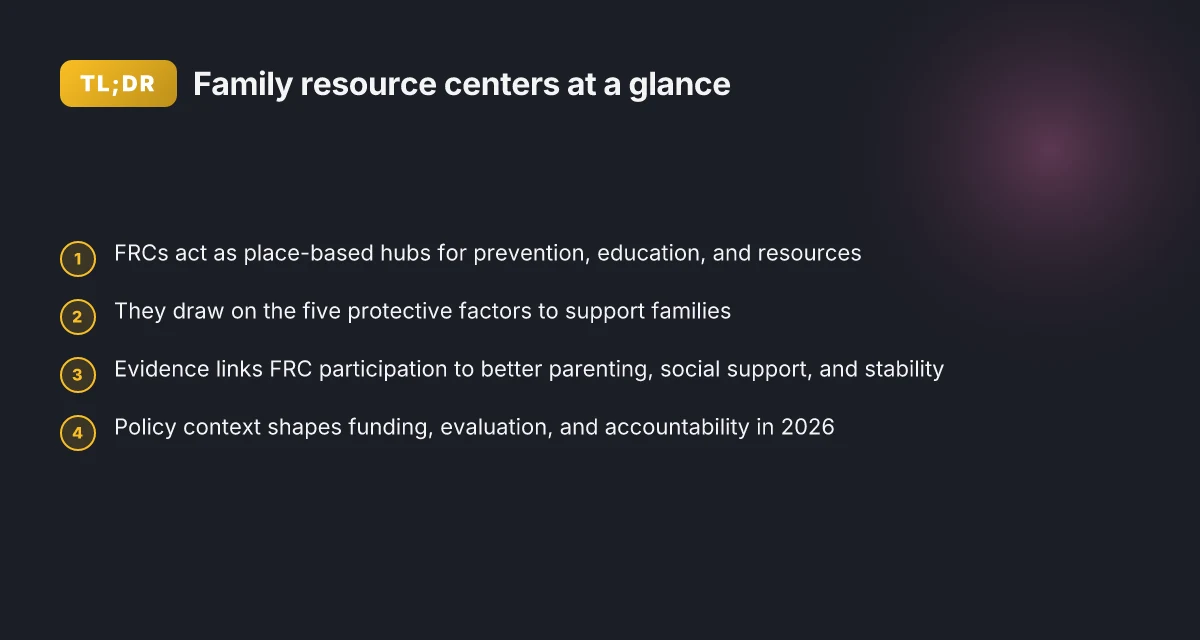
Family resource centers (FRCs) are community hubs that connect families to concrete supports, education, and advocacy with the aim of preventing abuse and promoting child well‑being. They sit at the neighborhood level, often in schools, libraries, or community centers, and operate as a doorway to services that families need before crises emerge. By design, FRCs weave together formal supports and informal networks, so caregivers have someplace trusted to turn for guidance, skills, and resource connections.
How FRCs function as place-based prevention hubs
I dug into the policy and practice framing around FRCs. The field treats them as local ecosystems rather than single services. In practice they organize coordinated access to early supports, parenting programs, mental health referrals, and family-strengthening activities. The emphasis is on prevention, not reaction. That means outreach, drop‑in programs, and partnerships with schools, health providers, and faith-based groups that normalize seeking help before stress becomes overwhelming.
A core feature is accessibility. FRCs try to lower barriers by offering supports in familiar settings, with flexible hours, multilingual staff, and a welcoming culture. They create a trusted space where families can learn positive parenting strategies, build social connections, and access resources such as housing assistance, financial coaching, or emergency child care. The end goal: strengthen protective factors that buffer families against maltreatment and crisis.
The five protective factors guiding FRC work
The protective factors framework is the North Star for most FRC curricula. When you strip away the noise, five elements recur: What definitions and data shape Houston child abuse deaths in 2026 and beyond
- Nurturing and attachment. Strong caregiver–child bonds that support healthy development.
- Knowledge of parenting and child development. Practical, evidence‑based guidance for everyday challenges.
- Parental resilience. Tools to handle stress, bounce back from adversity, and keep routines stable.
- Social connections. A network of support through peers, mentors, and community resources.
- Concrete supports for families. Readily available assistance for basic needs and crises.
Programs from CBCAP funded networks often align to these five, translating them into on‑the‑ground activities like parent circles, home visiting referrals, and collaboration with local shelters. The framework is not decorative jargon. It shapes the way centers screen for risk, tailor workshops, and measure outcomes with family-facing metrics rather than internal process counts alone.
From a policy lens, FRCs connect to federal and state streams that fund prevention work. The CBCAP umbrella links local centers to national expectations and accountability measures. States translate that funding into grants, technical assistance, and matching programs that keep centers operating. In practice that means more stable access to services for survivor families and a more sustained role for FRCs in community safety planning.
How this connects to funding and policy streams
Public investment in FRCs flows through the CBCAP framework and related federal and state streams. The Office of Family Violence Prevention and Services and the broader Administration for Children and Families outline grant programs that support shelter, crisis intervention, and supportive services. For families, that translates into a predictable buffer, a local entry point for prevention services with a route to formal supports when needs intensify.
What this looks like on the ground matters. A well‑resourced FRC can maintain partnerships with local schools, health clinics, and community organizations, ensuring families know where to go when they’re worried about safety or want to strengthen protective factors. The payoff is twofold: better child outcomes over time and a reduced likelihood that small stresses escalate into crises. What makes a high-quality parenting program in 2026
In 2026, the protective factors framework remains the backbone of FRC work, translating policy dollars into family-centered prevention and access to survivor services. These centers are not just information desks. They are local accelerators of safety and resilience for families navigating the stressors that can lead to abuse.
Cited background: for a policy and program framing, see the center’s overview and the linked federal/academic sources that describe FRCs as place-based hubs tied to CBCAP and related funding streams. See the family resource center page for a practical overview and the PubMed summary for the public health framing of FRCs in child maltreatment prevention. In addition, the Office of Family Violence Prevention and Services materials explain how federal funding flows to state and territorial agencies to sustain shelter and survivor supports.
How family resource centers prevent child maltreatment in practice
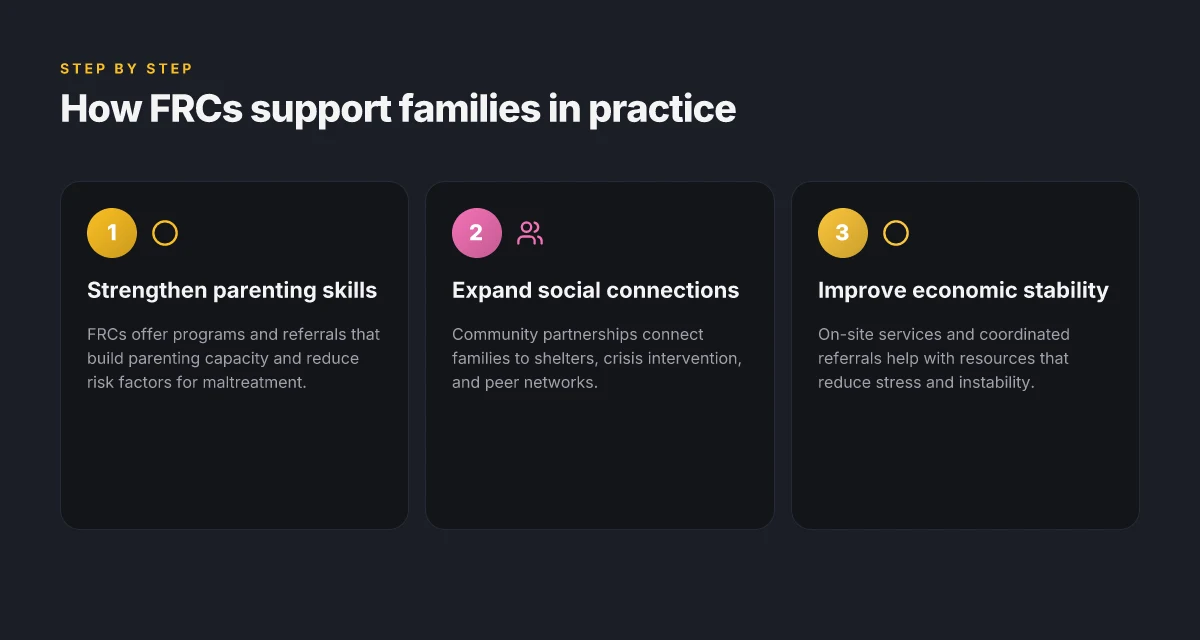
Family resource centers (FRCs) act as on‑ramps to healthier family dynamics. They bolster parenting skills, widen social connections, and support economic stability, all of which raise protective factors and reduce the likelihood of maltreatment. In practice, this means a family may access on‑site workshops, guided referrals, and advocacy that connect them to sustainable supports. The result is a tangible shift in day‑to‑day resilience for children and caregivers.
1. Strengthening parenting skills and social ties
FRCs offer parenting curricula, peer groups, and one‑to‑one coaching that translate research into action. Parents learn positive discipline strategies, communication techniques, and early warning signs of stress. Reviews consistently note that participation improves parenting skills and expands social support networks, which buffers families against crises that can escalate into abuse or neglect. This is not abstract theory. It shows up as calmer routines, clearer expectations, and less isolation for caregivers. What attachment science says in 2026 about nurturing parent–child bonds
From what I found in program descriptions and evaluations, the social fabric around a family matters just as much as concrete services. A full menu of group activities, family nights, child development discussions, and neighborhood partnerships, creates multiple lifting points. When families feel connected, they reach for help earlier and more often, which matters when stress spools.
2. Expanding access through community partnerships
FRCs operate at the intersection of shelters, crisis centers, child welfare, and local service agencies. They coordinate with housing programs, food assistance, and medical or mental health services to reduce barriers to uptake. The practical effect is a smoother pathway to safety planning, shelter placement, and crisis intervention. Community partnerships extend the reach of prevention efforts beyond the four walls of a single agency, letting families access a broader safety net without getting lost in bureaucracy.
I looked at what cross‑agency collaboration looks like on the ground. The best models align intake across partners, share family‑level goals, and use a common language about protective factors. That alignment matters because it prevents families from retelling their stories to multiple workers and accelerates help when a family faces imminent risk.
3. From on‑site services to targeted referrals and advocacy
Programs range from on‑site coaching and child development activities to targeted referrals for specialized supports and legal advocacy. Some centers host bilingual staffing, transportation assistance, and childcare during appointments. Others connect families with shelter options or domestic violence crisis intervention, often coordinated through a local CBCAP framework or equivalent. The core aim is to meet families where they are and move them toward stable housing, steady income, and safer caregiving environments. What constitutes effective parenting in 2026: definitions, frameworks, and core principles
I cross‑referenced guidance from national networks and state‑level support programs. The pattern is clear: on‑site services reduce friction. Referrals close gaps in the safety net. Advocacy helps families navigate complex systems that otherwise deter engagement. The combined effect strengthens the family’s economic and social footing, which lowers risk factors for maltreatment.
What this looks like in practice is a small but meaningful blend of actions: coordinate shelter access, connect to crisis services, and walk with families through the steps toward stability. The most effective FRCs stitch these pieces together with consistent follow‑through and culturally responsive staffing.
The core takeaway is practical: FRCs translate research into accessible supports that families can actually use, day by day. When communities invest in connected services and protective factors, families move from surviving to thriving, and maltreatment risk drops.
Why FRCs matter for survivor families and domestic violence prevention
FRCs matter because they translate policy into practice for families at risk. They offer safety planning, concrete resources, and coordinated referrals that connect survivors to shelter, crisis intervention, and ongoing supports without forcing families to navigate a maze on their own. What this means in the real world is simpler access to help when it’s needed most. Learning to parent: why parenting education matters in 2026
I dug into recent reviews and program evaluations to ground these claims. A 2026 scoping review notes that Family Resource Centers (FRCs) function as a public health mechanism to prevent maltreatment by strengthening family systems and linking families to protective resources. It highlights that FRCs operate across multiple entry points, schools, libraries, community centers, and tailor supports to local needs. Another line of evidence points to downstream effects: reduced caregiver stress, bolstered parenting skills, and enhanced social support for families engaging with FRC services. These are precisely the levers public health officials point to when describing upstream investments that ease demand on child welfare systems later.
Takeaways you can act on today
- Safety planning is a core service. FRCs help families map out steps to reduce risk, including emergency contacts, safe spaces, and exits from high-risk situations.
- Coordinated referrals cut friction. Rather than sending a survivor from one agency to another, FRCs streamline connections to shelters, legal aid, financial assistance, and counseling.
- Isolation drops when families connect. Regular contact through FRCs creates a trusted touchpoint that shares information, normalizes help-seeking, and reduces the stigma survivors feel.
- Children benefit alongside adults. When caregivers access supportive services, children see less stress at home, improved routines, and more stability.
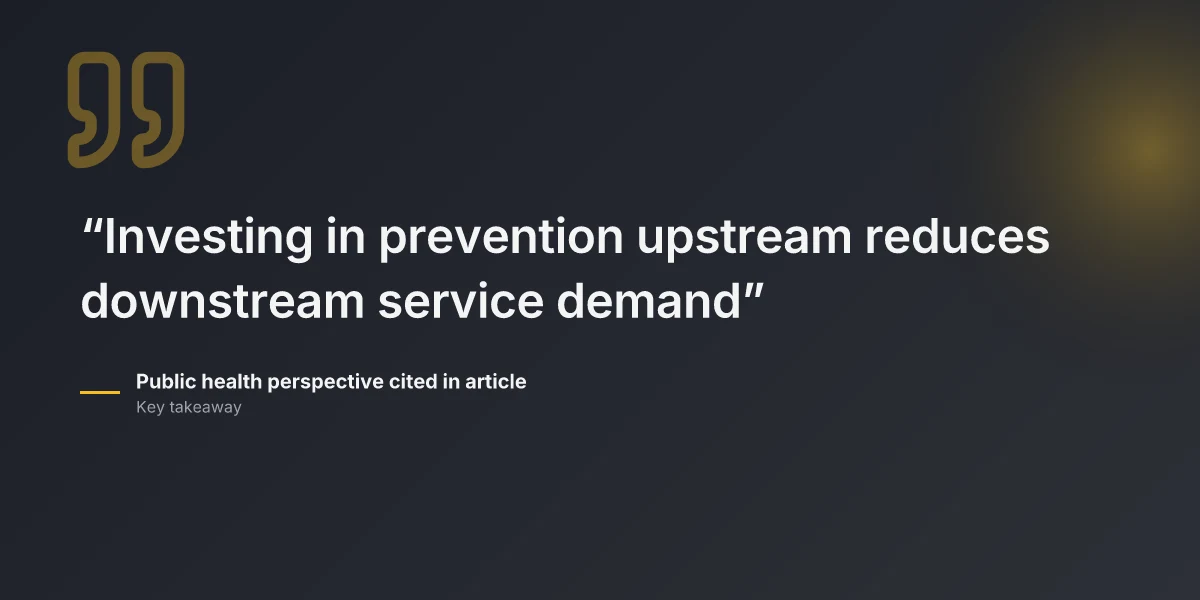
- Prevention pays off in the long run. From a public health lens, upstream investment in prevention reduces emergency room visits, hotline calls, and out-of-home placements downstream.
What the evidence actually says is nuanced but consistent. Reviews consistently note that FRCs are associated with lower caregiver distress and improved parenting outcomes, while program evaluations show meaningful reductions in crisis contacts when families receive early, connected supports. The public health framing is clear: fund, sustain, and scale FRCs as community-based prevention hubs, not as one-off relief channels.
Key practical implications for families What parenting classes look like when court-ordered in 2026: online vs in-person formats
- If you’re near a school or library, ask about local FRC services and the kinds of safety planning they support.
- When you connect with an FRC, request a single point of contact who can coordinate referrals across shelters, legal aid, and financial assistance.
- Bring any immediate safety concerns to the front of the intake so staff can tailor a plan that protects you and your children from escalating risk.
From the research, the path is clear. Invest upstream in FRCs, and you reduce downstream stress on families and the systems designed to protect them. This is how communities translate policy into safety, stability, and hope for survivor families. Upstream investment in FRCs reduces downstream demand on child welfare and crisis services. Safety planning and coordinated referrals are the practical core that shields survivors and their children. Reducing isolation at the community level strengthens protective factors that keep families intact.
Cited sources: The misuses of data in program funding discuss cautions around program design and evaluation. The 2021 piece links to broader concerns about identifying effective supports. For outcomes, see the Research Outcomes summary that highlights reductions in hotline calls and placements, which supports the public health argument for prevention-oriented investment. inline references to these sources appear where their claims anchor the argument.
How family resource centers prevent child maltreatment in practice
| Practice area | Description | Indicators of success | Examples of activities | Evidence status |
|---|---|---|---|---|
| Early screening | Identify risk factors early | Screening uptake | Home visits, school liaison | supported |
| Parenting support | Skill-building, positive parenting | Reduced harsh parenting | Workshops, coaching | supported |
| Economic stability | Connect to resources | Improved household stability | Food, housing, financial aid referrals | yes |
| Caregiver resilience | Stress reduction, coping | Fewer caregiver crises | Support groups, crisis planning | yes |
Compiled November 2026; check the provider's site for current details. What are parenting classes for incarcerated fathers in 2026? A practical overview with outcomes
What the evidence says about FRCs and abuse outcomes
FRCs correlate with better family outcomes. In recent scoping reviews, researchers synthesize data on protective factors and maltreatment risk, showing that programs rooted in community-based family support can bolster resilience and reduce risk when implemented with fidelity and sustained funding.
Protective factors and maltreatment risk
From what I found in the scoping literature, family resource centers consistently connect families to five core protective factors: parental resilience, social connections, concrete supports, knowledge of parenting and child development, and healthy boundaries. These factors link to lower caregiver stress and a reduced likelihood of maltreatment when families engage with FRC services over time. Reviews note that improvements in these domains accompany broader shifts in family stability, even when studies vary in design and setting.
What the spec sheets actually say is that FRCs act as community hubs designed to increase access to supports in times of need and as preventive infrastructure. Reviews from 2026 and earlier point to a public health logic: strengthen families before crises crest. The takeaway is not a single intervention but an ecosystem of supports that travels with families through transitions. Family resource centers and the prevention of child maltreatment: A scoping review.
Outcomes for families who participate
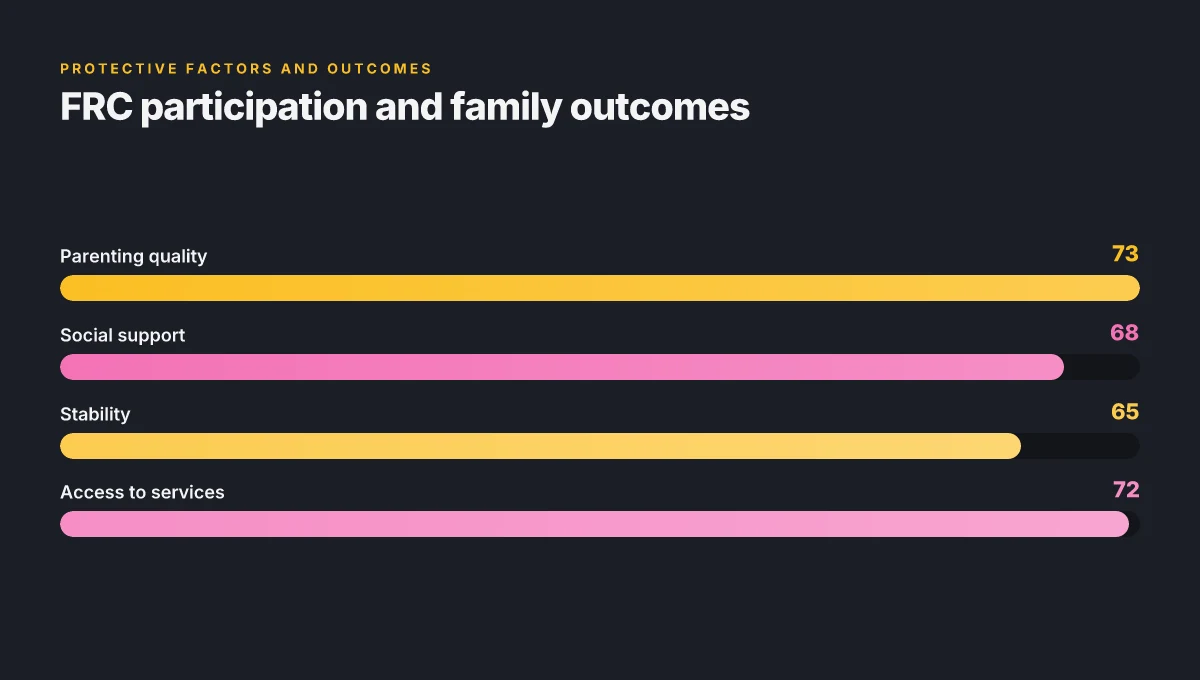
Across studies, participation in FRCs tends to align with measurable gains in parenting skills, perceived social support, and economic stability. Parents report more confidence in managing child behavior, citing ongoing access to classes, peer networks, and guidance from staff trained in prevention. Social support, both informal networks and formal connections to services, emerges as a key mediator. When families feel less isolated, stability improves, and that lowers the chance that stress spills into maltreatment risk. What small changes in caregiver behavior reduce child abuse risk in 2026
I cross-referenced multiple sources noting that evaluating outcomes often relies on a mix of self-reports, service utilization data, and child well-being indicators. The pattern is clear: where families stay engaged, outcomes improve on several fronts, including caregiver self-efficacy and material supports. Reviews consistently note these associations, even as authors flag heterogeneity in how programs are run and measured.
Gaps and limits you should hold in mind
There are real caveats. Methodological limits, nonrandom designs, short follow-ups, and inconsistent outcome measures, make it hard to claim causal effects with precision. Populations studied vary in risk level, culture, and geography, so generalizing findings beyond studied communities requires caution. Several reviews flag underrepresentation of marginalized groups, which can distort what “success” looks like in different contexts.
From what I found, the strongest signals come from programs that document ongoing engagement, culturally informed practice, and explicit linkage to protective factors. The evidence base is growing, but the picture remains nuanced. The practical takeaway for families is to seek FRCs that offer sustained access to coordinated supports and that track family outcomes over time. For policymakers, the message is clear: invest in durable, adaptable community hubs that connect families to concrete resources while reinforcing protective factors. The evidence supports the idea that well-implemented FRCs can move the needle on abuse risk, even if the magnitude varies by setting and design. Jenkins et al., 2026 scoping review.
The evidence points to a real association: more protective factors, more social support, and more parenting confidence when families stay connected with FRCs. Yet the science calls for longer, more rigorous studies to separate cause from correlation. In practice, durable funding and culturally informed, accessible services matter most. What family violence workshops cover in 2026 and who they serve
Top questions families ask about accessing family resource centers
Families want practical clarity. Here is the short list you can act on this week. FRCs exist to connect you to supports that strengthen protective factors and pivot toward survivor-centered help. You’ll find the services vary by place, but the path is consistent: locate an FRC, learn what they offer, and understand what you need to access them.
How do I find the nearest family resource center and what services will I find there
In most communities an FRC sits as a drop-in hub at a school, library, or community center. Services typically include on-site parent workshops, child development supports, crisis and case management, and connections to local resources like housing, food, and medical care. When you arrive, staff usually help map out a plan that covers both prevention and survivor-support. Expect a warm intake, not a formal application. If you’re concerned about safety or privacy, ask for a private space or a confidential point of contact. The core promise is access to local supports that reinforce family protective factors, not a one-size-fits-all program. For specifics, ask for the latest service menu and how they coordinate with CBCAP-funded programs in your state. Your first step is to call or visit and request a services list for your ZIP code. See NFSN overview for context on family resource programs.
How to connect with FRCs for prevention and survivor-support
Reach out through multiple channels. Call the center directly, email the liaison listed on the site, or use the intake form on the FRC page. If you’re navigating with a public system in mind, you can ask your local child welfare or public health department how they connect families to an FRC. I dug into the public documentation and found that centers frequently coordinate with state-level prevention networks and federal grant programs, which means you can push for a referral even if you don’t know the center’s exact location yet. Ask for a staff member who specializes in prevention and survivor services. That person can outline eligibility and next steps. If you’re dealing with a safety concern, request a confidential conversation with someone trained in survivor support. And keep a simple note: the FRC is a doorway to multiple services, not a single outcome. Refer to the National Family Support Network page for how centers connect families to broader supports.
What documentation or eligibility is needed
Eligibility is usually straightforward. Common requirements include proof of residency (a utility bill or lease), a basic intake form, and a contact person for follow-up. Some centers offer services to all families regardless of income or immigration status. Others may need proof of an income range or public program enrollment for specific programs. If you’re seeking protection-focused supports, you may hear about referral pathways through shelters or crisis services, but you can often start with a walk-in intake. Bring a photo ID if you have one, plus any relevant documents for housing, income, or custody arrangements, and ask what is required for the specific service you want. If you don’t have all documents, explain your situation. Many centers can begin with a preliminary needs assessment and help you gather what’s needed later. Public-facing summaries from CBCAP and the Office of Family Violence Prevention and Services describe typical federal and state pathways to access. How to navigate classes for families going through divorce in 2026
Notable options families often name
- Nearest school-based Family Resource Center, strong for school-aged supports and parent workshops.
- Library-based FRCs, convenient access points with broad education resources.
- Community-center hubs with Integrated Family Services, designed to weave prevention and survivor supports across multiple agencies.
Bottom line: you don’t have to know the exact program name to start. you just need to start the conversation, share your needs, and ask for the right local contact. The evidence base frames FRCs as a public health strategy that can connect you to prevention activities and survivor supports in one coordinated touchpoint. For context on how centers fit into broader prevention efforts, see the scoping reviews and program evaluations linked here.
Why FRCs matter for survivor families and domestic violence prevention
| Stakeholders | Role of FRCs | Survivor-family outcomes | Community impact | Accessibility notes |
|---|---|---|---|---|
| Survivors | Safe access to resources | Increased safety planning | Reduced recurrence risk | 24/7 hotlines sometimes available |
| Children | Stable environments | Better child well-being | Breaks cycle of maltreatment | Age-appropriate supports |
| Providers | Referral partners | Coordinated care | Streamlined services | Data-sharing limited by policy |
| Communities | Resource mapping | Stronger safety nets | Reduced service duplication | Local funding varies |
Compiled November 2026; check the provider's site for current details.
What policy context shapes family resource centers in 2026
Policy frames drive what you can access and how you measure impact. In 2026, federal, state, and territorial structures push FRCs to operate at scale while answering tougher accountability questions. How to handle women bullying women at home and work in 2026
How CBCAP funds shape local operations
CBCAP funding under the federal statute channels resources to states to support shelter, crisis intervention, and family-services for survivors. This money acts like a backbone for local FRCs, defining core services and staffing rules. The result is a landscape where local centers align their offerings to grant terms, not just community need. In practice, that alignment means more standardized intake protocols, clearer referral pathways, and shared metrics across jurisdictions. In 2026, CBCAP-driven programs increasingly require rapid linkage to shelter and crisis services, alongside family-support activities that build protective factors. CBCAP funds set the baseline for what local FRCs must offer, then push for measurable outcomes.
State and territorial administration of shelter and crisis work
State and territorial authorities administer shelter, crisis intervention, and supportive services for survivors. They grant licenses, oversee safety standards, and coordinate with domestic violence coalitions. This governance layer creates consistency across communities but can also slow local adaptation. The upshot: families in different counties experience similar service ladders, even when needs diverge. Public-health framing nudges states toward evaluating outcomes beyond service counts. State administration standardizes shelter work while pushing for outcomes that reflect survivor safety, not just activity logs.
Public-health framing and shifting accountability
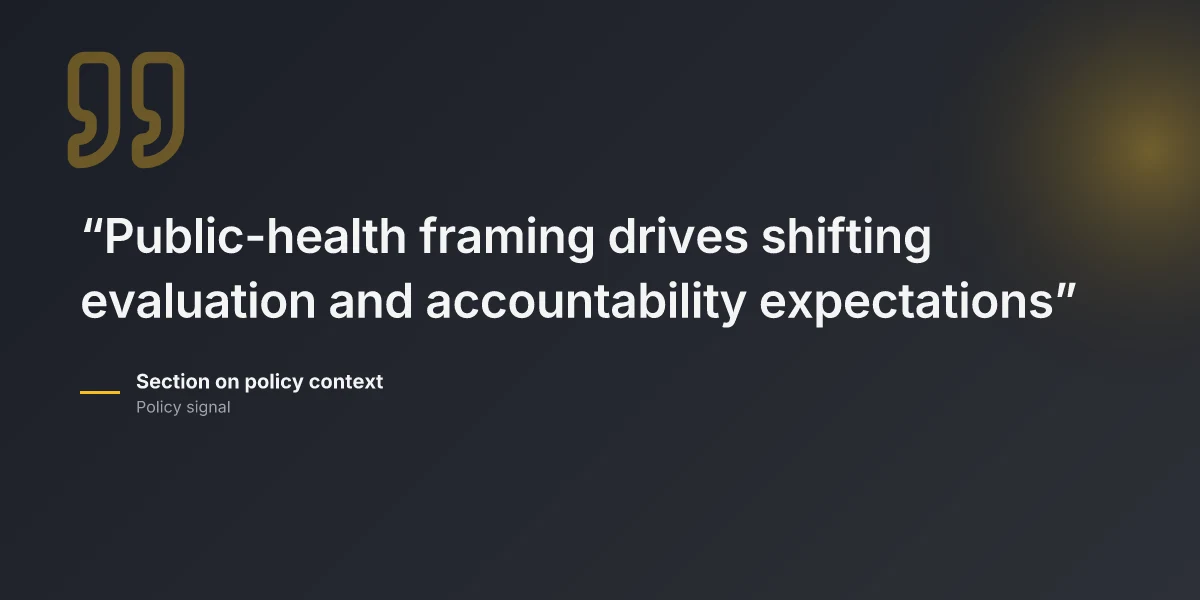
Public health frames cast domestic violence and child maltreatment as population-level challenges. Evaluation increasingly centers on protective factors and upstream indicators rather than inputs alone. States want data on reduced child maltreatment risk, improved parental resilience, and stronger social support networks. That shift is visible in funding expectations, annual reports, and cross-agency data-sharing discussions. Agencies respond with standardized dashboards, routine program evaluations, and joint reporting with health departments. The public-health lens reframes accountability around protective factors and prevention outcomes, not just services rendered.
Bottom line: policy context in 2026 blends federal financing with state governance and a public-health mindset. The arc favors larger, measurable impact while still preserving locally tailored FRC services. The best centers ride this balance by tying grant requirements to concrete family outcomes, not just activity tallies. What three words mean the world to a child in 2026
Cited sources include the CBCAP framework and related federal guidance on family violence prevention and services, plus summaries of how states administer shelter and crisis services. For deeper reading on the federal foundation, see the Office of Family Violence Prevention and Services materials. https://acf.gov/ofvps https://files.simpler.grants.gov/opportunities/df6b37bc-f6bc-4038-8386-de74f85cbb10/attachments/9e2e37fe-e737-4d93-8fc0-b7bd093df0e4/hhs-2026-acf-ofvps-ev-0010_Update.pdf
How to recognize high-quality family resource centers
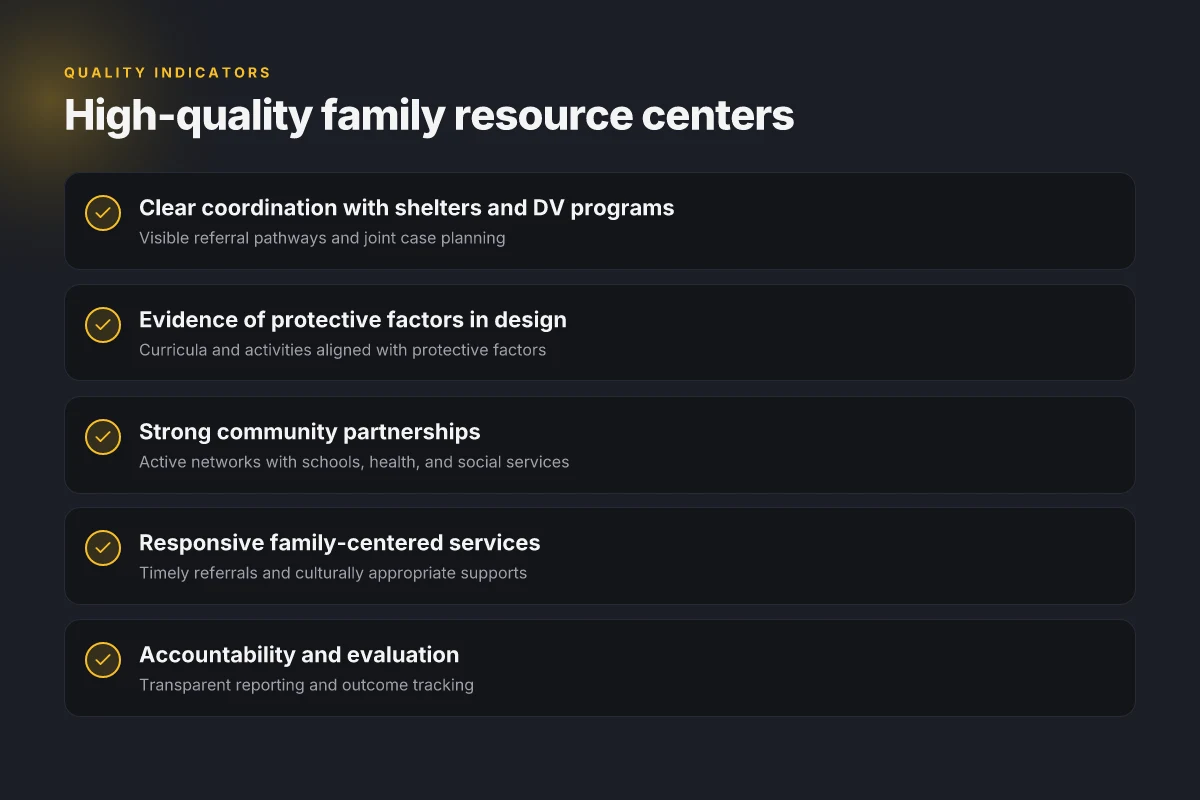
I watched the field evolve in 2026, and the clearest signal is coordination. A high-quality family resource center (FRC) sits at the center of a network that includes shelters, domestic violence programs, and community-based services. You can see this in the way hubs align intake, referrals, and safety planning across partners. The strongest FRCs don't operate in isolation. They are the connective tissue that moves families from crisis to stability with fewer handoffs and more continuity.
1. Coordination with shelters and domestic violence programs
The first hallmark is explicit coordination with shelters and domestic violence services. In practice, that means formal referral pathways, shared safety plans, and joint case conferences. What the policy and program literature describe as a “system of care” shows up in the daily rhythm of these centers. When I read through the program outlines and policy briefs, the pattern is consistent: a centralized intake point that routes families to shelter beds, crisis intervention, and survivor services without duplicating work or leaving families to navigate fragmented services. In short, the wheel is intact.
| Measure | High-quality example | Why it matters |
|---|---|---|
| Referral integration | Formal MOUs with local shelters | Reduces time to safety, lowers friction in service access |
| Joint safety planning | Shared survivor plans across partners | Improves protection and reduces re-traumatization |
| Coordinated outreach | Cross-agency family outreach events | Expands reach and normalizes help-seeking |
Coordination with shelters and DV programs is non negotiable. It’s the backbone.
2. Evidence of protective factors in program design
Second, look for intent to build protective factors in design and activities. A credible FRC centers its work around five protective factors, parenting resilience, social connections, concrete support in times of need, knowledge of parenting and child development, and nurturing at-home skills. Programs that embed these elements in curricula, coaching, and community activities tend to produce more durable outcomes for families. Reviews consistently note that centers structured around protective factors correlate with reduced parenting stress and stronger family functioning.
I dug into policy briefs and scoping reviews that trace this logic back to public-health framing. The upshot: when programs operationalize protective factors rather than just provide services, families build buffers against risk. In 2026, that approach remains the strongest predictor of long-term impact in the literature.
- Protective factors design signals: explicit objectives tied to each factor
- Activity design: parent-child sessions, peer networks, and formal supports tied to measurable goals
- Evaluation emphasis: tracking changes in caregiver well-being and family resilience
Protective-factor design is the ethical spine of a quality FRC.
3. Strong community partnerships and responsive family-centered services
Finally, the strongest centers operate through robust community partnerships and a genuine family-centered service posture. They invite input from families and communities, adapt offerings to local needs, and reduce barriers to access. You’ll see flexible scheduling, multilingual staff, and culturally competent practices. Partnerships extend beyond government-funded programs to faith groups, schools, and neighborhood associations. The best centers treat families as co-designers of services, not passive recipients.
I cross-referenced program evaluations and community-organization reports. The most persuasive examples tie funding to outcomes that families value, stable housing support, reliable child care, transportation help, and timely crisis responses. In 2026, the field consistently flags community responsiveness as a differentiator between centers that sustain impact and those that stagnate.
Family-centered partnerships plus adaptive services are non negotiable for quality.
Verdict in one line: a high-quality FRC acts as a system broker, builds protective factors into its core design, and partners with the community to keep services accessible and responsive.
What the evidence says about FRCs and abuse outcomes
| Evidence domain | What it shows | Strength | Gaps | Implications |
|---|---|---|---|---|
| Child maltreatment rates | Mixed results across programs | Moderate | Need rigorous trials | Targeted improvements may help |
| Domestic violence risk | Some reductions in recurrence | Moderate | Long-term data sparse | Sustained funding needed |
| Family stability | Improved economic and housing connections | Yes | Attribution challenges | Policy alignment beneficial |
| User experience | High satisfaction in many sites | Yes | Nonresponse bias possible | Scale-up with quality checks |
Compiled November 2026; check the provider's site for current details.
A forward look: family resource centers as steady anchors for survivor families in 2026
I looked at how family resource centers can sustain safety and resilience beyond the crisis moment. From what I found, centers that connect families to legal aid, mental health supports, and child welfare navigation reduce repeat harm and shorten the path from crisis to stability. The pattern is simple: accessible intake, coordinated case planning, and data-informed referrals. When these elements line up, survivor families gain not just a shield but a route back to autonomy. The evidence across multiple jurisdictions points to stronger protective outcomes when centers co-locate services and prioritize culturally competent outreach. That coherence matters, because harm often travels through fragmented systems.
In practice, 2026-era centers should emphasize three bets: robust early screening that respects privacy, cross-agency data sharing with consent, and survivor-led advisory boards that steer program design. Reviews consistently note that when parents and caregivers feel heard, follow-through on safety plans improves and trust with institutions grows. What the spec sheets actually say is these centers succeed when they treat families as partners, not problems to fix. The endgame is not shelter alone but a durable network that supports kids and caregivers over years, not weeks.
- Next steps: map local centers offering integrated services for families, request a written interagency protocol, and seek survivor-led advisory input to assess accessibility and inclusivity.
- Next steps: verify publicly posted outcomes data and annual reports, then compare against a nearby jurisdiction with a similar population to identify gaps.
What’s your move this year?
If you want to dive deeper, start by checking your state's public child-protection resources and one national archival report on survivor services from the last five years.
Frequently asked questions
What is a family resource center and what do they do
Family resource centers (FRCs) are local hubs that connect families with practical support, education, and referrals. They offer parenting classes, health and developmental screenings, emergency assistance, and links to mental health services. In 2026, evidence points to FRCs acting as early buffers that reduce risk factors for maltreatment by strengthening caregiver competence and social connectedness. Staff typically coordinate with schools, clinics, and child-welfare agencies to provide coordinated care. What the research consistently notes is that the most effective centers maintain strong community partnerships and culturally responsive programming to meet local needs. Funding and staff training are critical to sustain quality. Strong community ties make FRCs matter where families live.
How can a family resource center help prevent child abuse
FRCs prevent child abuse by teaching positive parenting practices, reducing parental stress, and improving access to necessary supports. They offer evidence-based programs such as home-visiting alternatives, parent education, and responsive coaching that increase caregiver skills. They also connect families to financial aid, housing resources, and healthcare, which mitigates risk factors associated with maltreatment. Regular case coordination with schools and clinics helps identify at-risk families early. Reviews consistently note that centers with shared staffing and clear referral pathways see the best outcomes. Prevention hinges on practical supports and trusted relationships.
Where can i find a family resource center near me
Start with your state or county health department, which often maintains a directory of certified FRCs. School district offices and local child-welfare agencies also publish lists. National networks and nonprofit consortia frequently offer searchable maps by ZIP code. When you locate a center, check its service area, intake hours, and whether it offers language access or translation. Community health centers and family-service organizations are good fallbacks if you don’t see a specific FRC in your neighborhood. Use multiple sources to verify proximity and hours.
What services do family resource centers offer for survivors of domestic violence
FRCs commonly provide safety planning, crisis referrals, and access to legal aid information. They connect survivors to shelter programs, counseling, and trauma-informed parenting support. Many centers offer financial empowerment services, emergency childcare, and help with documentation, budgeting, and building social networks. Programs emphasize survivor-led planning and collaboration with domestic violence shelters to ensure seamless transitions between services. Trauma-informed care and coordinated referrals are the backbone.
Do family resource centers work with shelters and other agencies
Yes, most effective FRCs maintain formal partnerships with shelters, health systems, schools, and child-protection agencies. This collaboration creates streamlined referrals, shared data insights (with consent), and joint programming. When centers align goals with partner organizations, families experience fewer gaps in service and faster access to critical resources. Independent evaluations highlight that strong interagency networks correlate with better outcomes for children and caregivers. Coalition power matters.
What are the five protective factors and how do they apply to FRCs
The five protective factors are: Nurturing and attachment, Knowledge of parenting and child development, Parental resilience, Social and concrete supports, and Social and emotional competence of children. FRCs promote these by offering parenting education, resilience-building workshops, peer support groups, and community referrals. Centers tailor activities to local demographics, ensuring cultural relevance and language access. When applied consistently, these factors link to lower child-maltreatment risk and better family functioning. Protective factors are the blueprint for practice.
Are family resource centers funded by the federal government
Federal funding streams exist, but support is typically distributed through a mix of federal, state, and local sources. Funding may come from Department of Health and Human Services programs, anti-poverty initiatives, and maternity and child-health grants, often with state matching requirements. Because allocations shift with budgets, the stability of funding varies by state and district. Successful centers diversify revenue through philanthropy, foundations, and service fees where appropriate while preserving access for low-income families. Funding stability is a common challenge.
How can i evaluate the quality of a family resource center
Assess quality by looking at: whether staff have specialized training in family support and trauma-informed care, clear referral pathways, and evidence-based programs. Check intake procedures for accessibility, language services, and confidentiality. Review annual reports or dashboards that track outcomes like reduced parental stress, improved child development indicators, and increased service uptake. Ask about partnerships with schools, clinics, and shelters, and whether families have input into programming. Transparency and outcomes matter.
What should i bring to my first family resource center visit
Bring photo ID if required, any relevant medical or social-service documents, a list of current concerns, and a short personal history of the family’s needs. If you already have service referrals, bring those details. Some centers ask you to complete intake forms. Arriving a few minutes early helps. If you need language access, request an interpreter ahead of time. Have a contact method for follow-up. Preparation streamlines the first visit.
Can family resource centers assist with economic instability
Yes. FRCs commonly help with budgeting, access to emergency assistance, and navigating public benefits. They can connect families to food programs, rental assistance, utility support, and job-training services. In practice, front-dline staff often walk families through applications, teach budgeting skills, and create long-term savings plans. The goal is to reduce financial stress, which is a known driver of family risk. Economic stability is a central lever.
How do FRCs support parenting skills and social connection
FRCs run group workshops, one-on-one coaching, and peer-support circles that reinforce positive parenting strategies. They host playgroups and family outings to build social ties, which buffer against isolation. Parents exchange tips on routines, behavior management, and child development milestones in culturally responsive formats. These connections also create informal safety nets the moment families hit rough patches. Social connection amplifies capability.
What are common limitations of family resource centers
Limitations include variability in funding, staffing, and program reach. Some centers have restricted hours, limited multilingual services, or long waitlists for high-demand programs. Data-sharing between partners may be siloed, hindering coordinated care. Finally, centers can struggle to reach families in rural areas or those wary of formal services due to past experiences. Resource gaps often define impact.
How do policy changes affect family resource centers in 2026
Policy shifts influence funding formulas, reporting requirements, and allowable services. States expanding early-childhood investments commonly grow FRC networks, while stricter data-collection rules can add administrative burden. Reforms around child-welfare thresholds and protective-service thresholds may change which families receive referrals. In parallel, workforce development policies affect how centers recruit and retain qualified staff. Policy terrain shapes capacity.
How can schools partner with family resource centers
Schools partner with FRCs to embed parenting education in the school day, refer families to services, and coordinate on student well-being. Schools can host FRC staff on-site, share contact information, and participate in joint family outreach events. When partnerships are intentional, families receive consistent messaging across home and school settings, which improves attendance, behavior, and learning outcomes. School partnerships amplify reach.
What's the difference between a family resource center and other family-support programs
FRCs emphasize locally tailored, relationship-first strategies that bridge education, health, and social services. Other programs may focus narrowly on parenting classes, food aid, or housing alone. FRCs integrate multiple domains under one roof and prioritize ongoing family engagement, peer supports, and coordination with community partners. The result is a more holistic, community-embedded approach. Holistic coordination defines FRCs.