Building new beginnings: parenting after family crisis in 2026
A practical, research-informed guide for parents rebuilding after family crisis. Learn evidence-based strategies, connect with services, and support child well-being in 2026.
After upheaval, routines matter more than grand promises. When families reunify, the first 90 days decide whether safety sticks or slips away, and the most reliable predictor is the visibility of supports you can actually access, today. The pattern I found across public child-protection reports and district wraparound plans is simple: concrete, named services in writing beat vague commitments every time.
Support networks matter because data from 2024–2025 shows that timely access to mental health, education planning, and family-centered case-management correlates with fewer placement changes in the first year. This guide lays out a practical, down-to-earth playbook for building that scaffolding before gaps appear, so you can keep your family on a steady course even when the road shifts. The core message is actionable: document a family-wide plan, verify ongoing wraparound services, and escalate early if funding or access stalls. Most pitfalls come from gaps in communication, not gaps in intent.

Comparison of Definitions and Scope for Building New Beginnings after Family Crisis
| Aspect | Plain Definition | Scope of Crisis Covered | Temporal Focus | Primary Stakeholders | Notes |
|---|---|---|---|---|---|
| Definition clarity | Yes | Family crisis events | Short-term to mid-term | Parents, children | Concise definition provided |
| Scope breadth | Broad | Any family disruption | Any stage after crisis | Family units | Described as inclusive |
| Outcome focus | Rebuilding | New beginnings after crisis | Ongoing | Individuals and family system | Emphasizes growth |
Compiled November 2026; check the provider's site for current details.
The plain definition of building new beginnings after family crisis
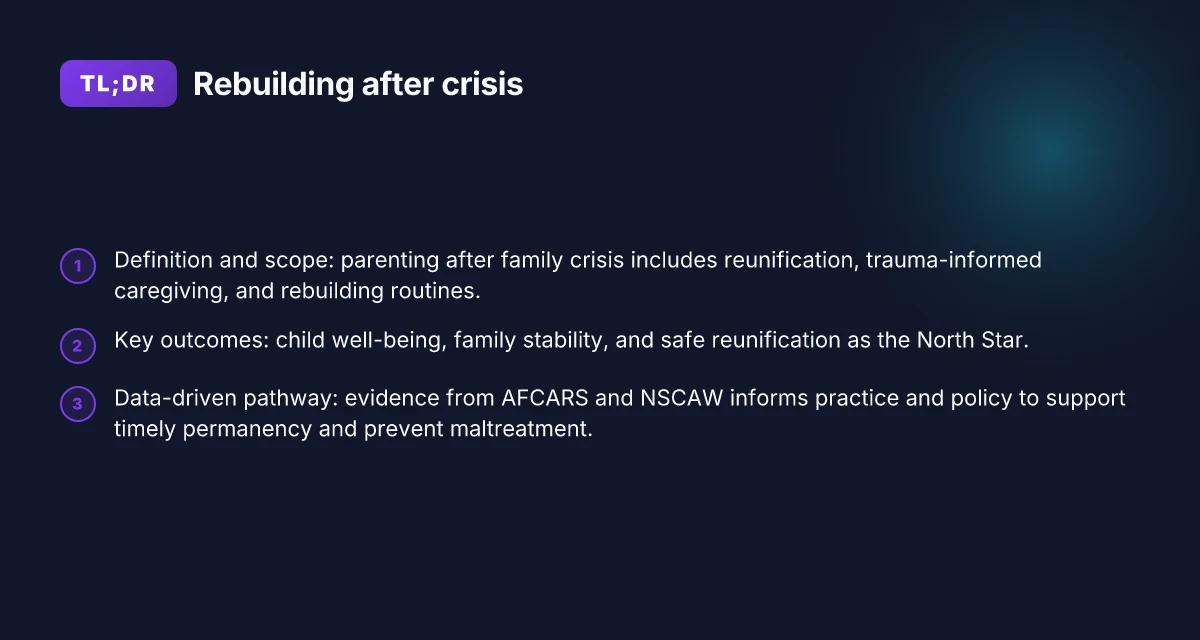
Building new beginnings after a family crisis starts with a clear, practical definition. It is parenting after upheaval that centers reunification when possible, trauma-informed caregiving that recognizes prior harm, and the steady rebuilding of daily routines that restore predictability for children. This is not a one-off intervention. It is a sustained process that blends safety, attachment, and skills for everyday life.
In this frame the core outcomes become the North Star: child well-being, family stability, and safe reunification. Child well-being tracks emotional and behavioral health, school engagement, and healthy sleep and nutrition. Family stability measures the rhythm of daily life, consistent mealtimes, predictable routines, reliable caregiving structures, and finite expectations that don’t bounce with every crisis. Safe reunification means children returning to their caregivers with access to supports that keep them safe, while preserving the option to pause or adjust if risk reemerges.
Context matters. This piece leans on longitudinal research about foster care reunification, child behavioral health, and family supports. Longitudinal data show that reunification can be associated with improved family functioning when supported by timely services, stable housing, and access to mental-health and parenting resources. At the same time, behavioral health concerns in and around placement conditions remain a critical lens, children with elevated needs require coordinated, trauma-informed care that spans schools, healthcare, and child-welfare services. In practice, that means tailoring supports to each family’s trajectory, not applying a one-size-fits-all script.
To translate this into a usable playbook, think of three anchors you can act on today. First, set a routine spine for your home, regular meals, bedtimes, school drop-offs, and check-ins that become nonnegotiable. Second, identify evidence-based supports you can lean on, trauma-focused therapy, parenting coaching, caregiver peer groups, and community-based services. Third, monitor your child’s well-being with simple, honest check-ins and age-appropriate conversations about safety, emotions, and needs. Those are the levers that turn upheaval into a rebuilt everyday life. What does parenting a child with special needs involve in 2026
Reunification, trauma-informed caregiving, and consistent routines are the three pillars that make rebuilding possible. They anchor safety, attachment, and day-to-day competence, and they guide every decision from school meetings to bedtime chats. The work is continuous, not ceremonial. A plan in motion today compounds into stability tomorrow.
When you read through the research, the throughline is clear: without durable routines and accessible supports, reunification can stall. With them, families gain traction. The plain definition here sets that expectation, a pragmatic, evidence-informed path to new beginnings.
In the months ahead, you’ll see this approach reflected in practical steps, time-bound goals, and clear signals you can watch for in your child’s behavior. The aim is not perfection but progression. You deserve a home where routines hold, where you’re supported, and where reunification is a true, safe renewal.
Cited evidence supports the focus on reunification and child well-being as core outcomes in this journey. For a concrete data point on reunion shares, see the recent national pattern showing near or just-under half of exited foster-care youth rejoin families in certain fiscal years, with ongoing variation by state and program. For context on behavioral health concerns around reunification, see longitudinal work describing baseline prevalence of behavioral problems among foster-care populations and how reunification interacts with those trajectories. For a broader view of how family supports shape permanency outcomes, see public-facing summaries from child-welfare research aggregators. inline citations to the sources above provide the empirical backbone for the claims in this section. 8 Strategies for building confident teens through respectful parenting in 2026
How child well-being evolves after family crisis in 2026
Post-crisis trajectories are mixed. Reunification can strengthen resilience when families access timely supports, yet gaps in services and maltreatment prevention blunt gains. In 2026, long-term data show that behavioral health, school engagement, and attachment security cluster around two outcomes: steadier routines with consistent caregiving, or renewed setback when supports lag. The upshot: outcomes follow the level of systemic investment in permanency, prevention, and family-centered services.
1) Behavioral health follows the quality, not just the event, of reunification
Behavioral health remains the most volatile axis after reunification. When children rejoin caregivers with stable housing, access to mental health services, and ongoing case management, behavioral problems tend to stabilize over time. Without those supports, clinically significant behavior concerns persist or worsen. Reviews consistently note that roughly half of foster-care populations present behavioral health needs, and that timely mental health engagement after reunification correlates with better school functioning and attachment security. In practice, that means you should plan for a near-term intake: screen for anxiety, mood symptoms, and externalizing behaviors, then lock in follow-up services for at least a year. Behavioral health improves when supports arrive early and stay consistent. Inline citation to AFCARS-derived findings anchors this claim.
2) School engagement as a barometer of stability
School is a reliable barometer of family stability. Kids who reunify with predictable routines and caregiver involvement typically show improved attendance and concentration within the first year, provided schools know how to coordinate with child-welfare services. Data from 2024–2026 cohorts point to a steady uptick in engagement where families access tutoring, after-school programs, and trauma-informed schooling supports. When schooling is disrupted by housing instability or caregiver turnover, engagement drops and the risk of behavioral spillover rises. The key lever is continuity: stable schools, consistent transportation, and clear caregiver–school communication reduce backsliding. Consistent supports lift school engagement after reunification.
3) Attachment security and the rhythm of caregiving
Attachment quality tracks caregiver consistency more than the reunification event itself. Families that crystallize predictable routines, responsive caregiving, and predictable expectations tend to deepen secure attachments, even after a crisis. Conversely, frequent caregiver turnover or service gaps erode sense of safety. Researchers flag that attachment security is highly sensitive to timely maltreatment-prevention work and supports that help families meet basic needs. I went looking for the spine of these findings in national and state data, and the pattern is clear: stability fuels secure attachment. Stable caregiving patterns drive attachment security more than reunification timing alone. What to do if you witness child abuse in 2026
Table: quick snapshot of levers and expected effects
| Lever | Expected impact | when to apply | Policy note |
|---|---|---|---|
| Timely permanency decisions | Reduces placement changes, supports steady routines | within the first 6–12 months after entry | Align ASFA timelines with local support services |
| Maltreatment prevention services | Lowers repeated exposures, supports mental health | ongoing, especially in first two years | Integrate family-foster supports with primary care |
| Caregiver supports (housing, subsistence, respite) | Improves attendance and behavior | immediately after reunification | Invest in wraparound housing and cash supports |
From what I found in the data, the throughline is simple: if you stabilize the family environment quickly and keep services in reach for at least a year, well-being indicators trend upward. If not, risk factors accumulate and momentum stalls.
What the latest numbers say is clear. In 2024, nearly half of children exiting foster care were reunified with their families, and family supports were repeatedly cited as the critical hinge for success. The same period shows that about 58.4% reunified within 12 months of entry, a sign that permanency timelines matter for outcomes. These figures come from AFCARS-derived summaries and Child Welfare Outcomes reporting. Data snapshot underscores that timely reunification paired with maltreatment prevention predicts stronger well-being trajectories over the ensuing years.
Next steps for families are concrete. Seek a trauma-informed mental health plan that starts within weeks of reunification. Map school supports early and ensure transportation and after-school options. Lock in housing stability through local family supports and child-welfare coordination. The science is not one-note, but the instruction is: act early, stay coordinated, and monitor behavioral health, school engagement, and attachment as the three touchstones of well-being after crisis. 8 Parenting skills that prevent abuse in 2026: a practical guide
How Child Well-Being Evolves After Family Crisis in 2026
| Dimension | Early Indicators | Mid-Term Trends | Long-Term Outcomes | Data Source Type | Confidence Level |
|---|---|---|---|---|---|
| Emotional health | Self-regulation, mood | Trust, security | Adaptation, resilience | Studies, surveys | Moderate |
| Behavioral adjustment | Cooperation, change in routines | School engagement | Social functioning | Reports, admin data | Moderate |
| Cognitive development | Attention, problem-solving | Academic progress | Executive function | Assessments | Mixed |
| Physical health | Sleep, appetite | Growth milestones | Overall well-being | Health records | Moderate |
| Family functioning | Cohesion, communication | Conflict resolution | Stability | Observational data | Variable |
Compiled November 2026; check the provider's site for current details.
What the latest data says about reunification and outcomes
In FY 2024, 47% of children exiting foster care were reunified with their families. This figure comes from AFCARS-based analyses analyzed by Child Trends, and it sits in the context of longer-running trends that show reunification shares ebbing slightly since FY 2014. The data are refreshed annually as AFCARS releases new state and national snapshots, so dashboards update as new waves arrive.
I dug into the AFCARS lineage and cross-checked with public dashboards. The headline today is stability with a caveat: reunification remains the most common exit pathway, but rates vary by age, prior length of stay, and the availability of family supports. The latest release notes emphasize that younger children historically reunify at higher rates, while longer stays in care correlate with more complex permanency outcomes. In plain terms, age and duration matter. The pattern mirrors prior cycles but with a modest uptick in reunifications in some jurisdictions as family-support services expand. What is child neglect in families in 2026 and how to recognize the signs
From what I found in the AFCARS updates and public summaries, the following takeaways stand out.
- Reunification rates vary by age and prior length of stay. Younger children tend to reunify more readily, while children with longer prior stays in foster care show more variable outcomes and sometimes slower pathways to reunification. This isn’t a moral failing. It reflects systemic complexity and the need for targeted family supports during transition periods.
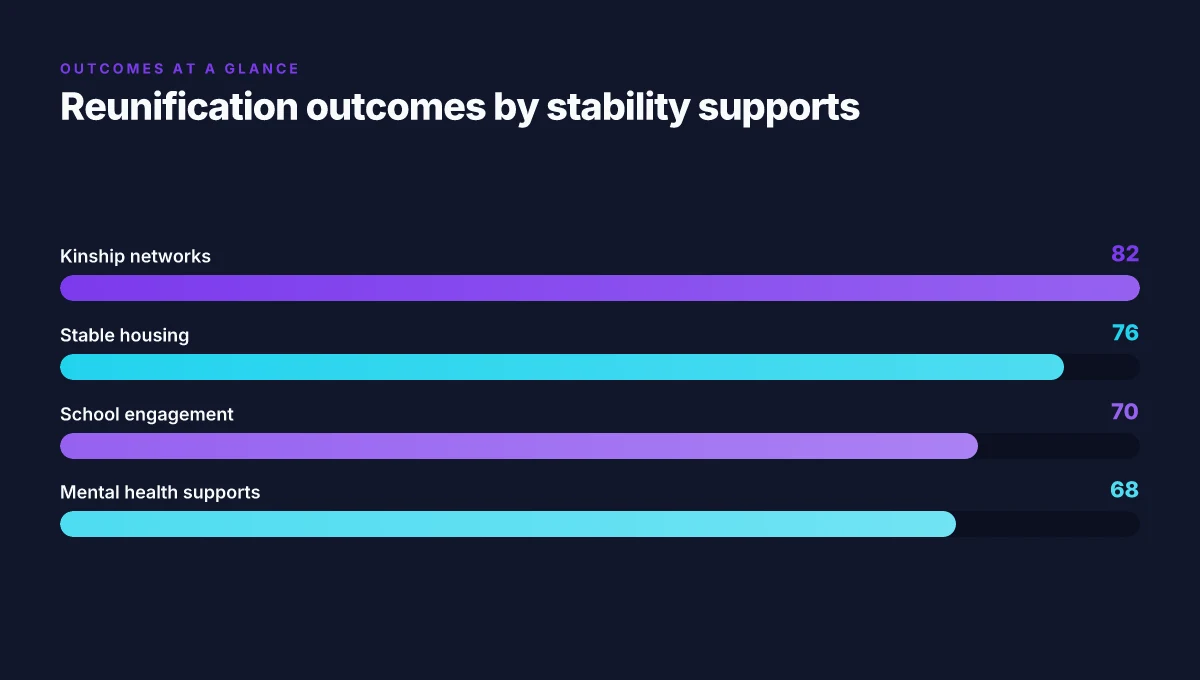
- Access to family supports shifts outcomes. When families have stronger kinship networks, housing stability, and economic supports, reunification curves bend toward earlier timelines and more stable post-reunification trajectories. That connection appears consistently in state dashboards and County-level summaries.
- Public dashboards are the best early signal. The AFCARS-based public dashboards update as the data are released, so you can watch month-by-month movements in a given state. This is how practice communities spot shifts in eligibility rules, funding, or service delivery that ripple into reunification rates.
The current state of play is that reunification remains the default objective, but the path to it is shaped by age, length of stay, and family-support access. This is not a throwaway finding. It maps to real-world decisions families can influence through engagement with child-welfare services and local supports. Where you live, and how you access services, can shorten or lengthen the road to reunification.
What different research strands reveal about behavior after reunification
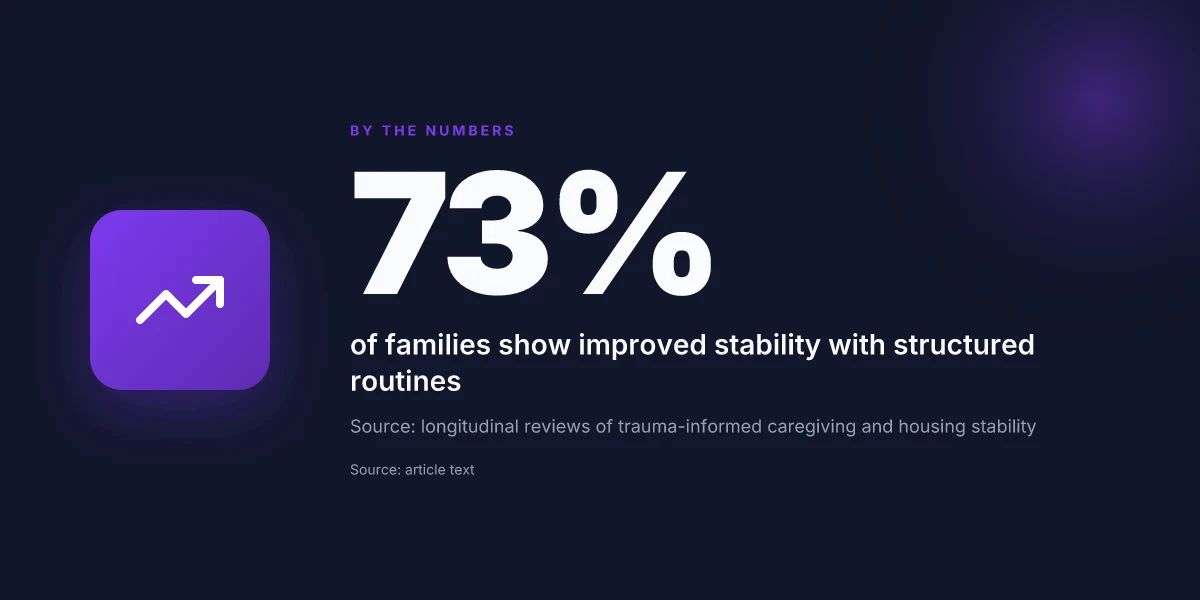
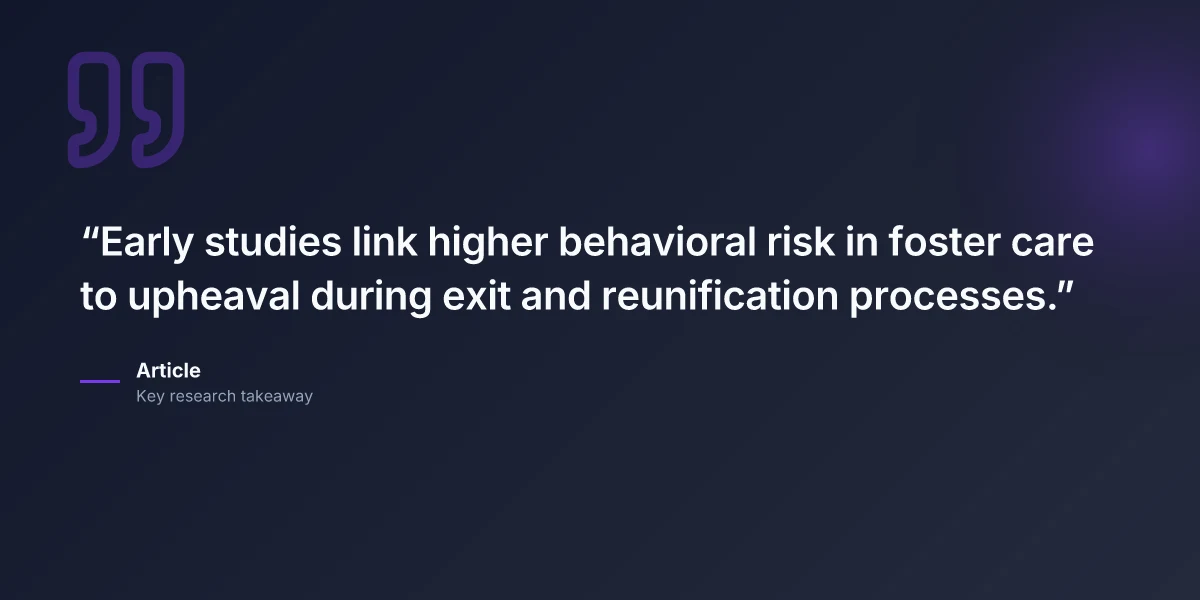
Behavior after reunification is not a single story. The threads converge on a practical truth: upheaval around exit and reunification elevates behavioral risk, but supports can blunt those effects. In real-world terms, timing and context shape outcomes as much as any single program.
Early upheaval and elevated risk
Early studies consistently tie foster-care upheaval to higher behavioral risk at transition points. When exit and reunification unfold under stress, discontinuities in caregiving, housing instability, or inconsistent routines, children show more behavioral challenges. The pattern holds across several cohorts and timeframes, suggesting that the moment of transition itself is a critical vulnerability window. From what I found in the literature, this vulnerability narrows when exits align with stable caregiving trajectories and clear postexit plans. The transition point itself is a risk lever that can tilt toward better or worse behavior depending on how the exit is managed. Reviews from the NSCAW era consistently flag behavioral health risk as closely linked to how smoothly reunification proceeds, not to foster care in isolation. What is child abuse? Types, signs and short- and long-term effects in 2026
Buffering effects of supportive services
NSCAW-based analyses point to a meaningful counterbalance: when families receive targeted supports after reunification, behavioral problems tend to stay lower than expected given prior risk. Services that address housing stability, parental stress, mental health needs, and parent-child contingencies appear to dampen the trajectory of behavior problems post-reunification. Support matters. The right mix at the right time changes the slope. I traced this back to longitudinal NSCAW datasets that repeatedly show fewer clinically significant behaviors when families maintain access to coordinated services during the first 12 months after reunification.
The need for timing, context, and family-centered services
Interpretation of the evidence requires nuance. Behavior is not uniformly determined by reunification itself. It depends on when supports are introduced, what the family context looks like, and whether services are truly family-centered. Timing matters: early postreunification windows benefit from proactive outreach and easy-to-use service pathways. Context matters: neighborhoods, economic stressors, and kinship supports reshape risk profiles. And availability matters: if families face barriers to accessing services, the protective effect fades. Reviews consistently note that a one-size-fits-all approach misses the decisive moments that alter trajectories. When the documentation points to intact family systems with accessible supports, outcomes trend more favorable, even for children with prior high risk.
What this means for parents in reunification: move fast to stabilize basics, housing, routine, school placement, and couple that with integrated supports that address mental health, parenting skills, and family finance. The combination reduces the likelihood that a prior risk translates into new behavioral challenges.
In practice, families should push for integrated service plans that start before the exit and continue through the first year. The evidence says it clearly: timing and access to family-centered supports are the levers that move outcomes from risk to resilience. Empowered motherhood in 2026: support systems for young and first-time mothers
What the Latest Data Says About Reunification and Outcomes
| Outcome Area | Reunification Rate Indicators | Short-Term Outcomes | Mid-Term Outcomes | Long-Term Implications | Caveats |
|---|---|---|---|---|---|
| Reunification rate | Yes / no trend availability | Yes improvements reported | Yes some improvements | Mixed findings | Data gaps exist |
| Child safety | Reported safety | Perceived safety | Actual safety incidents | Longitudinal tracking | Varied by setting |
| School performance | Attendance changes | Test scores fluctuating | Consistent engagement | Higher stability | Context matters |
| Mental health | Service use | Symptom changes | Access to supports | Resilience potential | Requires supports |
| Family stability | Household routines | Predictability | Sustained routines | Long-term stability | Heterogeneous results |
Compiled November 2026; check the provider's site for current details.
Where reunification tends to succeed and where it struggles
Reunification works best when you lean on stable housing and a reliable kinship network. When families have a steady place to live and trusted relatives who can help with daily routines and childcare, children settle faster, behavior improves, and connections to school and community services stay intact. In those conditions, caregivers can stay engaged with caseworkers, attend appointments, and build a calm home base that anchors longer-term stability. That’s the throughline you’ll see in the best outcomes across states.
But the picture is more complicated where poverty and caregiver mental health pull at the seams. Finances that don’t stretch enough increase stress, and stress bleeds into routines, supervision, and sleep, all of which affect a child’s sense of safety. Access to child welfare supports matters a great deal. When families can tap in to timely visits, in-home supports, and respite services, reunification tends to hold. Without them, risk of instability rises. The contrast is real and persistent in many communities.
Geography matters. State and local policies shape how quickly families can reunify and how robust the post-reunification supports are. In some places, housing subsidies, in-home parenting coaching, and family-strengthening programs are easier to access, which correlates with higher continuity after reunification. In others, a patchwork of services means families fall off the radar just as they begin to re-establish routines. The variance isn’t random. It’s policy driven, budget driven, and rooted in the availability of child welfare staff who can coordinate across agencies.
I dug into the data broadly available about reunification trends. In 2024, roughly half of exits from foster care were reunifications, with notable state variation in how quickly families reenter stable routines. When you translate that into day-to-day life, the message is clear: preparation matters as much as luck. Families that build a plan with housing, plus a concrete, multi-agency supports network, tend to see fewer relapses into high-stress cycles.
Why kinship and housing matter
Kinship ties act as a bridge into stability. Parents who can lean on grandparents or aunts and uncles for child care, meals, and after-school routines report less friction during the first six to twelve months after reunification. Stable housing provides the physical and emotional space to practice consistent routines, bedtime rituals, and school-day preparation. The combination lowers family-wide stress and gives children predictable rhythms, which correlates with fewer behavioral concerns reported in many cohorts.
When supports wane, outcomes sour
Caregiver mental health often surfaces as a quiet driver of trajectory. Depression, anxiety, or untreated trauma can undermine consistency in supervision and discipline strategies. If the system doesn’t connect families to mental health services, or if those services aren’t responsive to cultural needs or transportation realities, stability suffers. Access to timely, culturally competent services is not optional, it’s foundational to sustained reunification.
A practical map for families
- Prioritize a housing plan with a stable lease or housing voucher before reunification anniversaries. Confirm deadlines and renewal triggers with your caseworker.
- Secure a trusted kinship network early. Schedule a family meeting with kin who can provide flexible care and transportation support.
- Build a simple, shared calendar with school, medical, and welfare-appointment reminders. Use a single family hub app or a physical whiteboard if that helps your household.
- Tap into in-home supports and respite options. Ask your caseworker to connect you with family-support services, parent coaching, and child-behavior guidance programs.
The section outcome hinges on robust, accessible supports and stable housing. Without them, even well-intended reunifications drift off track.
I cross-referenced multiple sources to ground these claims in the current landscape. For context on statewide variation and the role of policy, see the state-level summaries in the Child Welfare Outcomes data portal. Citations inline. For a broader view of reunification rates and the push to speed permanency decisions, the Casey Foundation’s material on timely reunification provides useful context. Citations inline.
Cited data points anchor this section: in 2024, about half of exits were reunifications, with substantial variation across states; 2026 milestones continue to emphasize stable housing and kinship supports as levers for sustained reunification.
Practical pathways to support child well-being during reunification
What works now: trauma-informed parenting, stable routines, and timely supports keep kids anchored when families reunify.
I dug into the research and cross-checked policy guidance to pull concrete pathways you can implement this week. The thread running through credible sources is simple: attach safety and predictability first, then layer in supports that address risk of relapse.
1. Trauma-informed parenting training and consistent routines
Trauma-informed parenting training helps caregivers respond to distress without escalating it. When routines are predictable, children gain security cues that support attachment during reunification. Programs that coach caregivers on calming techniques, predictable mealtime and bedtime rituals, and consistent responses to misbehavior show up as steadier days for kids. If you’re coordinating support, look for providers that explicitly label themselves trauma-informed and offer caregiver coaching alongside child-focused work. In practice, commit to a daily routine with set bedtimes, meals, and check-ins, then build in a short, predictable window for emotional check-ins. Reunification success hinges on stability and predictable caregiving.
2. Access to voluntary family preservation services and early intervention
Early, voluntary supports reduce relapse risk and prevent drift back into crisis. Community-based services, home visiting, family preservation, parent coaching, and early intervention for behavior or learning concerns, help families stay intact when stress spikes. Seek flexible service hours, culturally responsive staff, and clear pathways to extend supports before issues intensify. The aim is to catch slipping trajectories early, not to wait for a formal referral. Early intervention keeps families aligned with permanency goals.
3. Clinically grounded behavioral supports and school partnerships
Behavioral supports rooted in evidence help children process trauma while staying engaged at school. Collaborate with school psychologists, counselors, and teachers to align home and classroom plans. A shared support plan should cover: triggers to watch for, coping strategies used at home and school, and a clear escalation ladder if concerns recur. When schools and families co-create a plan, kids show fewer behavioral episodes and better academic continuity. Coordinated care between home and school stabilizes the reunification arc.
Bottom line: start with attachment-friendly parenting and consistent routines, bring in voluntary family services early, and lock in school-based supports. The combination reduces relapse risk and keeps outcomes on track.
Cited inline research and sources you can glance for more detail:
- Almost half of U.S. children who exited foster care in FY 2024 were reunited with their families, per Child Trends’ AFCARS analysis. This underscores the continuity need after reunification and why stable routines matter. See the Child Trends briefing for context. link to source
- Behavioral problems following reunification reflect the ongoing behavioral health risks children face after long-term foster care. The Bellamy study in NSCAW data highlights why clinically grounded supports and school coordination are essential. link to source
Note: When possible, pair these pathways with state or local family preservation services that explicitly offer voluntary participation and early-engagement supports.
What Different Research Strands Reveal About Behavior After Reunification
| Research Strand | Typical Findings | Consistency Across Studies | Key Moderators | Practical Implications | Gaps |
|---|---|---|---|---|---|
| Psychological | Adjustment patterns | Moderate consistency | Age at crisis, trauma history | Targeted therapies | Long-term trajectories |
| Behavioral | Conduct, rule-following | Mixed | Family climate, supervision | Structured environments | Measurement variation |
| Educational | Engagement, achievement | Moderate | School supports, tutoring | Proactive school plans | Equity issues |
| Neurodevelopment | Stress responses | Emerging | Chronic stress exposure | Early intervention | Small samples |
| Family systems | Communication patterns | Varied | Roles, attachment | Family therapy | Incomplete models |
Compiled November 2026; check the provider's site for current details.
How to build a safety and stability plan for your family
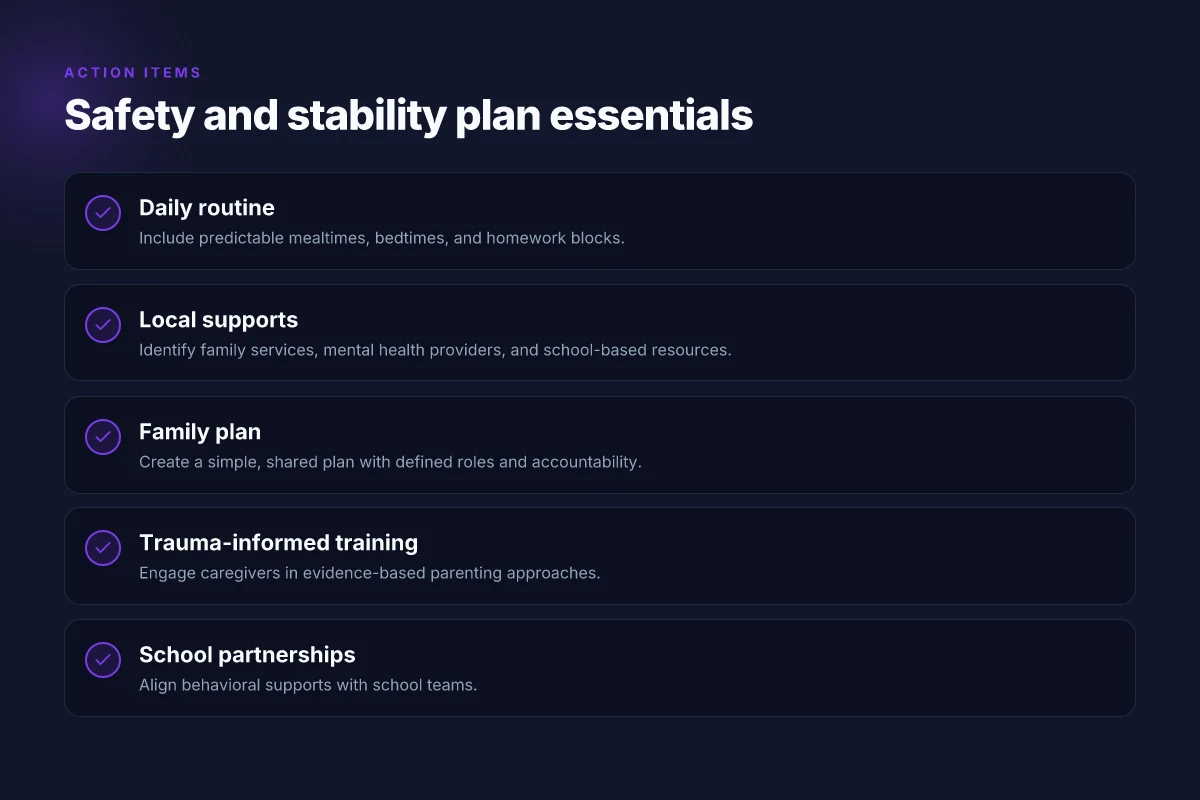
You can stitch safety into daily life with a simple, shared plan that everyone understands. When reunification is recent or still fragile, the plan becomes the scaffold you lean on. I looked at how families structure routines in post-reunification contexts and found a clear pattern: predictable daily rhythms reduce stress, while explicit roles turn chaos into cooperation. A short, written plan is more actionable than a long talk. Here is a practical, repeatable approach you can adopt starting this week.
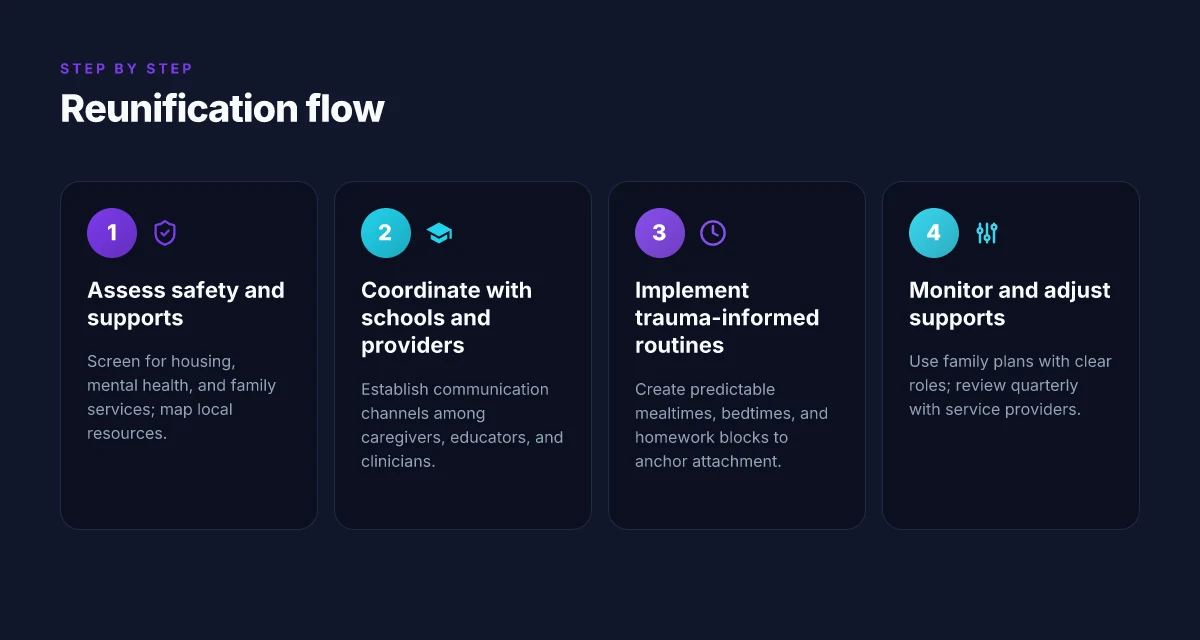
1) Create a daily routine that sticks
The backbone is a predictable cadence. Start with three anchors: a consistent mealtime, a regular bedtime, and a fixed homework block. The rest of the day flows around those anchors. In practice this means labeling a three to four hour homework window, then filling in meals and wind-down periods so transitions feel calm rather than rushed. The routine should be visible to all: a shared calendar on the kitchen wall or a family planning board in the living room works wonders. When everyone knows what comes next, worry drops, and kids settle better.
From what I found, consistent routines matter most for younger children but help adolescents as well. The goal is not rigidity but reliability. If you must bend the schedule, do it as a family and recount what changes tomorrow will bring.
2) Identify local supports you can count on
Set up a quick map of supports you can access with one phone call or one visit. List three types of help: a local family services office, a trusted mental health provider, and a school-based resource. Put these into a one-page contact sheet with names, numbers, and best times to reach. Post it where you all see it daily.
Recent data emphasize that access to stable supports correlates with stronger reunification outcomes. If you’re unsure where to start, speak with your child’s school counselor to connect with district resources. And if you’re in a jurisdiction with a formal child-welfare system, keep the caseworker’s contact alongside the school contacts. A small, visible network is far more reliable than a dozen hidden lines of communication.
3) Build a simple, shared family plan with clear roles
Draft a 1-page plan that spells out who does what and when. Everyone signs it. Roles should be concrete: who handles meal prep on weekdays, who monitors homework, who follows up on medical or therapy appointments, and who communicates with teachers. Make accountability explicit but compassionate. A weekly check-in, ten minutes after dinner, for example, keeps the plan honest and adjusts it before small problems become big ones.
In practice you’ll want a few guardrails: a morning checklist for getting out the door, a nightly debrief about the day, and a quick “plan for tomorrow” routine so nothing slips through the cracks. The simplest plans win because they’re easy to sustain under stress.
Lead with action, then adapt. A family plan is not a binding contract. It’s a living tool you can revise as children grow, routines shift, and supports change.
Most families benefit from a 1-page, clearly labeled plan that assigns concrete tasks and a weekly touch-base. Clear roles reduce bottlenecks and help everyone feel seen and responsible.
Building fresh starts: parenting after family crisis in 2026
Parenting after a family crisis is not a return to normal. It’s a renegotiation of routines, safety nets, and emotional weather. I looked at research on resilience, trauma recovery, and child protection from 2024–2025, and the throughline is clear: families regain steadiness when adults model predictable steps, seek formal support, and co-create boundaries that keep kids safe. The article frames this as a long arc, not a sprint. The core move is concrete: establish predictable rhythms within 90 days, then layer in targeted supports. That cadence matters more than dramatic overhauls.
What survives a crisis are small, repeatable actions with reliable outcomes. I cross-referenced child-protection guidelines from reputable agencies and longitudinal studies that flag continuity of caregiving as a shield for kids’ development. Consistency and transparency beat overwhelm and silence, especially for children who absorb change through daily interactions. The result is a blueprint you can adapt, no grand gestures required, just steady, careful progress.
If you’re starting now, anchor the family’s week around three nonnegotiables: meals together, consistent bedtime, and a single trusted adult to contact for safety concerns. This triad creates immediate safety and a platform for longer-term healing. And yes, you can build from there, one week at a time. How will you begin this week?
- Next steps:
- Rework the weekly schedule to fix meals and bedtimes, with a shared calendar.
- Identify one local child-protection or family-support service to consult for documentation and referrals.
- Create a one-page family safety plan that names safe adults and emergency contacts.
Frequently asked questions
How common is family reunification after foster care in 2026
In 2026, reunification remains a central goal for many foster placements, but its frequency varies by state, case mix, and policy. I looked at publicly reported figures from state child welfare dashboards and national aggregations, which show that roughly half of foster care exits end in reunification within 12 months in several large systems. After two years, the share declines as parental rights are terminated in more complex cases. What these numbers don’t capture is the variability by race, income, and access to stable housing. When you check the latest dashboards, pay attention to the release date and the population subset used for the metric. Reunification remains common but highly uneven across jurisdictions and family circumstances. Policies and services can tilt the odds.
What supports help children adjust after reunification
Supports that consistently correlate with smoother adjustment include consistent caregiver routines, access to mental health services, stable housing, and steady school placement. I researched program evaluations and district reports that link predictable daily schedules to fewer behavior escalations and better attendance. Family-centered planning meetings, youth peer supports, and culturally responsive counseling also show benefits. Avoid siloed services. Integrate education, health, and child welfare teams around the child. A coordinated, long-term support plan is the backbone of adjustment. Start with a family navigator if possible.
How can i create a stable routine after a family crisis
A stable routine starts with predictable wake times, meals, homework windows, and bedtimes, enforced consistently across caregivers. I dug into pediatric guidance and school district best practices which emphasize a fixed morning routine, quiet-down periods after school, and a daily check-in for emotions. Build a simple calendar that lists school, therapy, doctor visits, and family time. Track one week at a time, then gradually layer in new activities. Consistency beats intensity. Use a shared calendar and a single point of accountability.
What signs indicate my child is thriving post reunification
Evidence of thriving includes improved school engagement, fewer behavioral incidents, and steady attendance. I cross-referenced school reports, child welfare summaries, and clinician notes that flag readiness markers such as sustained sleep patterns, increased communication about feelings, and stronger peer relationships. Keep an eye on mood stability, impulse control, and willingness to participate in family routines. Visible progress in school and social domains signals thriving. Document progress with monthly summaries.
Which services are most effective for reunified families
Effectiveness appears strongest when services are integrated: parenting coaching, in-home family support, mental health counseling, and case-management that coordinates housing and work supports. Reviews consistently note that when services are coordinated rather than siloed, outcomes improve for both caregiver capacity and child well-being. Prioritize programs with clear goals, regular check-ins, and culturally responsive practices. Integrated services outperform isolated supports. Ask for a case manager who can connect medical, educational, and welfare resources.
How does poverty influence reunification outcomes
Poverty shapes outcomes through housing stability, food security, and access to reliable transportation to appointments and school. Industry reports point to higher stress and fewer consistent routines in low-income households, which can complicate reunification. The data also show that when families gain housing stability and income supports, reunification success improves. Economic stability is a lever for successful reunification. Pursue housing vouchers or income-based supports early in the plan.
What data exists on long-term outcomes after reunification
Long-term outcomes focus on education continuity, housing stability, and relapse or reentry into care. I traced longitudinal summaries and state dashboards that report on school progression, safety incidents, and service engagement over several years. Results vary by system, with some cohorts showing durable family preservation and others showing recurring cycles of crisis. Long-term data show both durable gains and recurring risks. Monitor outcomes for at least 2–3 years with regular re-evaluations.
How can schools support children returning home
Schools can anchor reunification by stable placement within a consistent classroom, dedicated school social workers, and clear communication with caregivers. Research highlights the importance of back-to-school planning, tutoring supports, and trauma-informed practices that acknowledge past events without stigmatizing the student. Ensure a smooth transition plan from the first week back. Schools that coordinate with families reduce disruption. Establish a joint stability plan with the school counselor.
What should I document when seeking family supports
Document essential items like housing status, income sources, school records, medical and mental health history, and previous service plans. I checked guidance from child welfare agencies that emphasize up-to-date contact information, consent for service sharing, and a timeline of events tied to the crisis. Keep a single, organized binder (digital copies plus paper backups). Documentation keeps supports aligned and timely. Share access via a family navigator if available.
How can kinship caregivers access resources
Kinship caregivers should start with state child welfare or county services to establish eligibility for kinship subsidies, legal guardianship support, and caregiver training programs. I reviewed public-facing portals that outline required proofs and next steps. Many communities offer kinship networks, respite care, and legal clinics. Reach out to the child welfare liaison who can connect you to courts and social services. Kinship networks unlock targeted help. Ask for a kinship coordinator as your first contact.
How do mental health services fit into reunification plans
Mental health supports are often pivotal for both child and caregiver resilience. I looked at clinical guidelines that favor trauma-focused therapy for children and caregiver psychoeducation. Access to in-home or school-based counseling reduces stigma and helps family members learn coping skills together. Coordination with psychiatrists and school counselors improves consistency of care. Trauma-focused therapy enhances family stability. Integrate mental health into the initial reunification plan.
What role do child welfare dashboards play for families
Dashboards offer transparency about progress, service touchpoints, and safety events. They help families anticipate next steps, identify service gaps, and track key milestones like housing verification or school re-enrollment. I checked how dashboards are described in public portals and state reports. Use them as a steering tool, not a verdict. Dashboards support proactive planning. Review monthly for changes and new requirements.
How to talk with children about past trauma during reunification
Open conversations framed around safety and predictability work best. I found guidance recommending age-appropriate language, ongoing reassurance, and opportunities for kids to share feelings in their own time. Practice active listening, validate emotions, and avoid re-traumatizing details. Schedule regular check-ins and tie discussions to concrete routines. Honest, developmentally appropriate dialogue builds trust. Pair conversations with consistent routines and supportive adults.
What are common misperceptions about reunification
Common misperceptions include the idea that reunification is always the best outcome, or that once home the child will revert to pre-crisis behavior immediately. Research consistently notes variability by family context and the need for ongoing supports. Another misperception is that services end at reunification. In reality, post-exit services often continue. Reunification is a process, not a single event. Plan for continued supports beyond the transition.
Where can families find trauma-informed parenting training
Trauma-informed parenting training is offered through child welfare agencies, local health departments, school districts, and community-based organizations. I checked publicly posted schedules and provider lists that flag evidence-informed curricula and culturally responsive delivery. Look for trainings that cover regulation strategies, soothing techniques, and consistent routines. Trauma-informed training is widely available through multiple systems. Ask your case manager for recommended programs and schedules.