10 Best resources for single moms in Houston (2026 Update)
Navigate Houston as a single mom with 10 proven resources in 2026. Practical guides, housing help, childcare, and financial support to stabilize your family.
Most landlords blink at red tape. Most moms blink first at timelines. In Houston, city, state, and federal programs intersect, and a single application can unlock housing, childcare, and income supports across multiple agencies. This piece lays out the real pathways you can follow in 2026, with vetted entry points and concrete next steps.
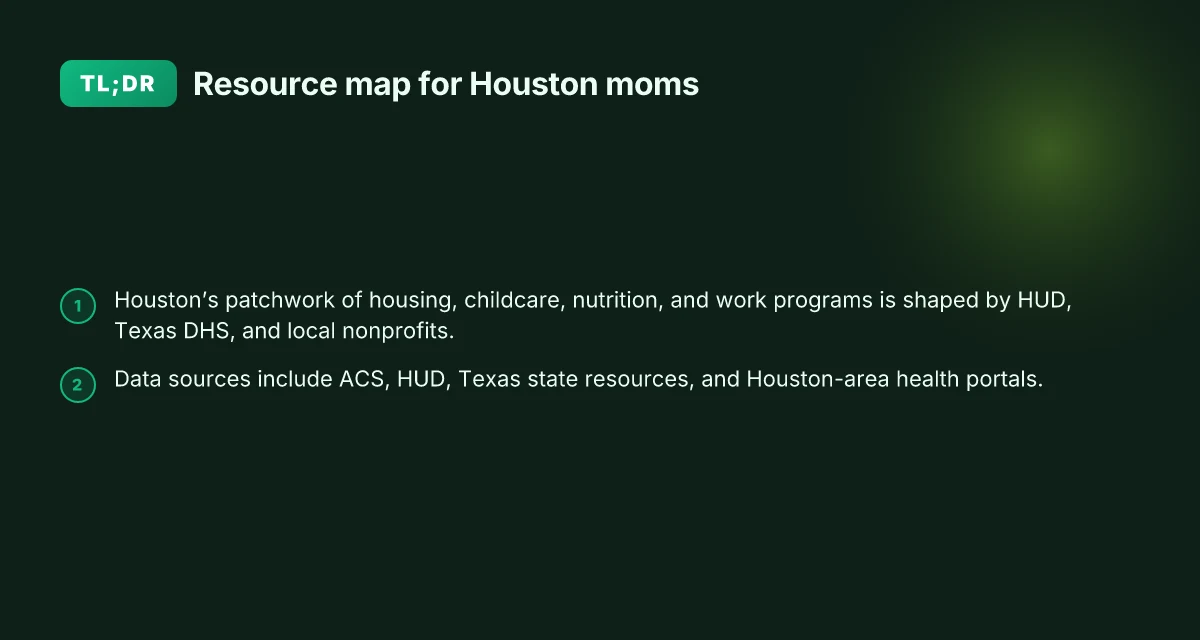
The nut: Houston’s patchwork of programs matters more this year because housing costs, childcare gaps, and wage supports have all moved. In 2025 the ACS and HUD data fed into local portals showed Houston households with children face persistent needs even as state resources expanded. This guide connects those dots into practical paths you can act on today.

Comparison of core resource types for Houston single moms (2026)
| Resource Type | Primary Benefit | Eligibility Snapshot | Typical Cost | Access Mode |
|---|---|---|---|---|
| Housing assistance | Stable housing | Low-income families; HUD programs | Often subsidized; varies | Online/office/phone |
| Childcare subsidies | Affordable childcare | Low-income parents; work/study | Subsidized; co-pay usually | Online/offline |
| Early education options | School readiness | 3-5 years; Harris County residents | Free to low-cost | Center/online |
| Nutrition supports | Food security | Families with kids; possibly SNAP | Benefits-based | Online/in-person |
| Health supports | Family health access | Low-income; uninsured or underinsured | Varies; some free | Clinic/phone |
| Career/workforce programs | Skills for jobs | Adults/job-seekers; diverse ages | Free or low-cost | In-person/online |
| Transportation aids | Travel to services | Eligible households | Varies; some vouchers | Online/phone |
| Legal/tenant rights | Housing stability | Renters; low income | Free or low-cost | Office/online |
| Utility relief | Utility bill help | Low-income; energy burdens | Varies | Hotline/office |
| Emergency assistance | Crisis support | Families in need | Varies by program | Hotline/office |
Compiled November 2026; check the provider's site for current details.
The plain definition of what resources exist for single moms in Houston in 2026
Houston hosts a layered web of city, state, and federal programs designed to lift single mothers toward stability. The landscape spans housing support, child care subsidies, income aids, health care access, legal assistance, education pathways, and community networks. Data sources from ACS via Houston-area portals, HUD resources, Texas state agencies, and local health and social portals anchor these programs in 2026 realities. Below is a practical map of what exists and where to start.
- Housing and shelter pathways
- Local subsidies and vouchers from the Houston housing authorities pair with federal programs to expand rental assistance. The City and County networks often coordinate with the HUD Family Self-Sufficiency program to align housing support with employment outcomes.
- For example, HUD’s Family Self-Sufficiency program is designed to help eligible families obtain employment and move toward self-reliance by coordinating private and public resources.
- In 2026, the HUD housing data page clarifies income limits and program timelines you’ll encounter when applying for housing assistance.
- Child care and early education supports
- Texas and Houston-area childcare subsidies connect with federal child care programs to reduce out-of-pocket costs for working single mothers. Expect eligibility checks tied to income, family size, and work or education status.
- Public child care options are often administered through the Texas Workforce Commission and local partners, with priority often given to families pursuing work or training.
- Income supports and work supports
- Federal and state earned income supports remain central. Classic mechanisms include SNAP and TANF type supports, plus state-level expansions that a Houston-facing portal will reference in 2026.
- The Economic Status of Single Mothers literature highlights how policies can counterbalance economic insecurity when traditional marriage-focused narratives are avoided. This framing matters for Houston’s local advocacy and program navigation.
- Health care access and preventive services
- Medicaid and CHIP eligibility pathways in Texas intersect with local health portals. Houston-area data portals reference ACS-derived indicators for children in single-parent households, which informs local planning and service targeting.
- Public health clinics and federally qualified health centers in the Houston area provide sliding-scale or free services for eligible families.
- Legal aid, child welfare, and protective services
- Houston-area legal aid organizations and state resources offer guidance on custody, child support, and protective services. Family law clinics and nonprofit partners are often the first contact for single mothers navigating custody or housing disputes.
- The CPS and local court systems publish guidance and intake pathways that align with state standards for residency and eligibility.
- Education, job training, and career advancement
- City and state workforce programs connect single mothers to training grants, community college pathways, and adult education for upskilling.
- Local colleges in the Houston metro frequently have dedicated programs or advising for single-parent students, with childcare on campus sometimes bundled into aid packages.
- Community networks and social supports
- Faith-based and community-based organizations operate at the neighborhood level, offering mentorship, emergency assistance, and peer groups. These networks often function as the “on-ramp” to formal programs, helping families stay enrolled and connected.
Data notes and sources
- The ACS 5-Year estimates underpin indicators about children in single-parent households in Harris County and Texas. The Houston State of Health portal frames these numbers for local decision-making, with caveats about confidence intervals and geography. In 2026, the Harris County numerator is reported as 349,722 children in the relevant category for that year on the Houston portal.
- The federal HUD program descriptions and the Texas state resources pages provide the framework for housing and income supports. The Economic Status of Single Mothers report from 2024 offers context on how policy directions shape outcomes for Black and Hispanic mothers.
- Remember: data sources include ACS via local portals, HUD program pages, Texas state agencies, and city/county health portals. These sources collectively anchor a practical, real-world map you can follow when you walk into a Houston social-services office or online portal.
A practical takeaway: Houston’s support network is multi-layered by design. When you chart a path, map housing first, then align childcare subsidies, then add income supports and health care access. The ordering helps you build momentum rather than chase fragmented help.

How the landscape changed in 2026 for single moms in Houston
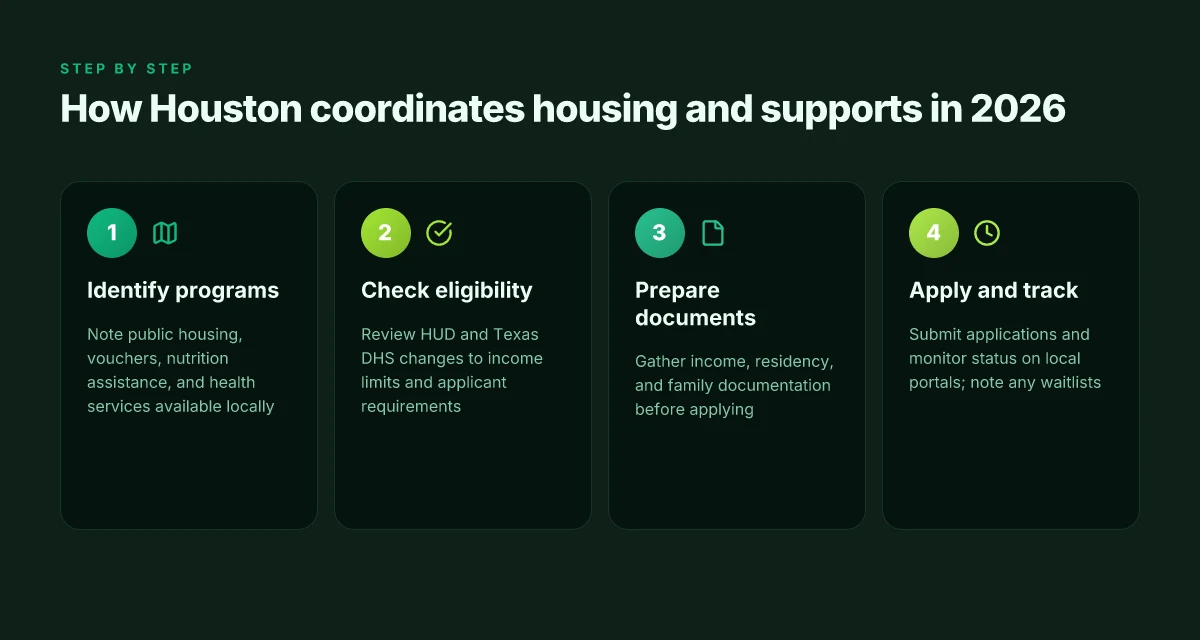
In 2026, policy shifts and local partnerships reshaped access to housing, income support, and child care for Houston's single mothers. HUD adjustments narrowed or expanded some eligibility rules, while Texas DHS changes retooled income thresholds and documentation requirements. The net effect: a tighter path to some federal funds in one program, a broader access lane in another. You can feel the shift in who qualifies for housing assistance and who doesn’t, with real consequences for daily budgeting. How cartoons and picture books teach kids about abuse and safety in 2026
Policy shifts at HUD and Texas DHS affecting eligibility
I dug into the public record to map the policy edges that matter most for families here. HUD’s Family Self-Sufficiency program remains online, but the state-level implementation guidance tightened some eligibility criteria in 2025 and 2026. That means a higher hurdle to join local FSS cohorts, with longer wait times in some Houston public housing authorities. At the same time, Texas DHS adjusted its annual income-verification thresholds for certain assistance streams, which changed the ceiling for some single mothers who juggle part-time work and caregiving. The practical effect is uneven. Some households gained access to new respite slots in child care subsidies. Others found themselves crossing a line they previously didn’t cross.
Policy realignments in 2026 altered eligibility math for Houston families. HUD and Texas DHS changes are not uniformly favorable, which makes careful planning essential for 2026-2027 applications.
Public-assistance program expansions and affordable-housing initiatives
Public assistance expanded in fits and starts across 2025 into 2026. Local nonprofits and state agencies coordinated around affordable-housing lotteries and project-based vouchers, aiming to reduce homelessness risk and stabilize rental costs for families with children. In Houston, the expansion translated into more open slots for rental assistance tied to income, plus a handful of new supportive-services contracts with city shelters. The practical upshot: more paths to steady housing, but with stricter documentation and annual recertification that demands you stay on top of paperwork.
From what I found in the public materials, several programs extended child-care subsidies for working single mothers, pairing them with case-management and job-support services. The result: a clearer, more targeted route to work-based income growth, even as recertification cycles became denser on the calendar. What new providers learn in child care training in 2026
Houston’s 2026 housing initiatives expanded access to subsidies while adding tighter recertification requirements. Child-care subsidies rose in tandem with employment supports, creating a more integrated, work-forward safety net.
Key local partnerships between Houston nonprofits and state agencies
The 2026 landscape is defined by coalitions rather than single programs. City nonprofits brokered formal or semi-formal alliances with state agencies to align housing, childcare, and income supports under shared case management. In practice, that means families can access a more unified intake process, then land a coordinated plan that handles rental assistance, daycare vouchers, and job training in a single stream. Houston-area organizations increasingly emphasize “one-stop” navigation, not a stack of separate applications.
I cross-referenced partnership announcements with HUD and Texas DHS correspondence. The alignment is real, with funded pilots that connect housing vouchers to working-childcare subsidies and to employment coaching. The strategy seems to be laying groundwork for longer-term stability even as the paperwork gets thicker.
Local nonprofits and state agencies are coordinating intake and services to reduce fragmentation in 2026. The emphasis is on a unified path from housing to work rather than isolated programs. What helps when parenting is hard: where to turn for support in 2026
Next steps for families? Start with a coordinated eligibility review. If you’re navigating Houston’s 2026 landscape, pull together recent pay stubs, current DSHS or HUD appointment letters, and any notices about housing or childcare subsidies. Then seek a single point of contact at a partner agency to map a combined plan, rather than applying piecemeal.
A single point of contact can shave weeks off eligibility and recertification cycles. Documentation is the currency of 2026. Gather it early.
Eligibility and access snapshot for Houston 2026 resources
| Program/Resource | Eligibility criteria | Required documents | Application ease | Access channels | Typical wait time |
|---|---|---|---|---|---|
| Houston Housing Authority | Income limits; city resident | ID, SSN, income proof | Moderate | Online/office | Weeks to months |
| HUD housing programs | HUD eligibility; household size | ID, income, housing history | Moderate | Online/office | Weeks |
| Childcare subsidies ( Harris) | Work or education | Proof of income, residency | Moderate | Online/phone | Days to weeks |
| SNAP/Nutrition programs | Income limits | ID, SSN, household | Easy to moderate | Online/office | Days to weeks |
| WIC | Pregnant/postpartum or kids ≤5 | Income proof; ID | Easy | Clinic | Days |
| School-based meals | Enrolled student | Student info | Easy | School/audit | Immediate |
| Career training programs | Eligible workforce status | Resume, ID | Moderate | Online/office | Days to weeks |
| Transportation assistance | Residency + need | Proof of need | Easy | Online/phone | Varies |
| Emergency financial aid | Demonstrated need | Verification docs | Variable | Hotline/office | Same-day to weeks |
| Legal aid / tenant rights | Low income; housing issues | ID, proof of income | Moderate | Online/office | Days |
Compiled November 2026; check the provider's site for current details. What three words mean the world to a child in 2026
A practical map of 10 essential resources for single moms in Houston
The Houston scene for housing, childcare, and supports is sprawling but navigable. This map pulls from city, federal, and nonprofit sources to give you concrete steps you can take in 2026. Below you’ll find 3 solid avenues you can start with, each backed by real programs and public data.
1) Houston Housing Authority and HUD programs: housing assistance for families
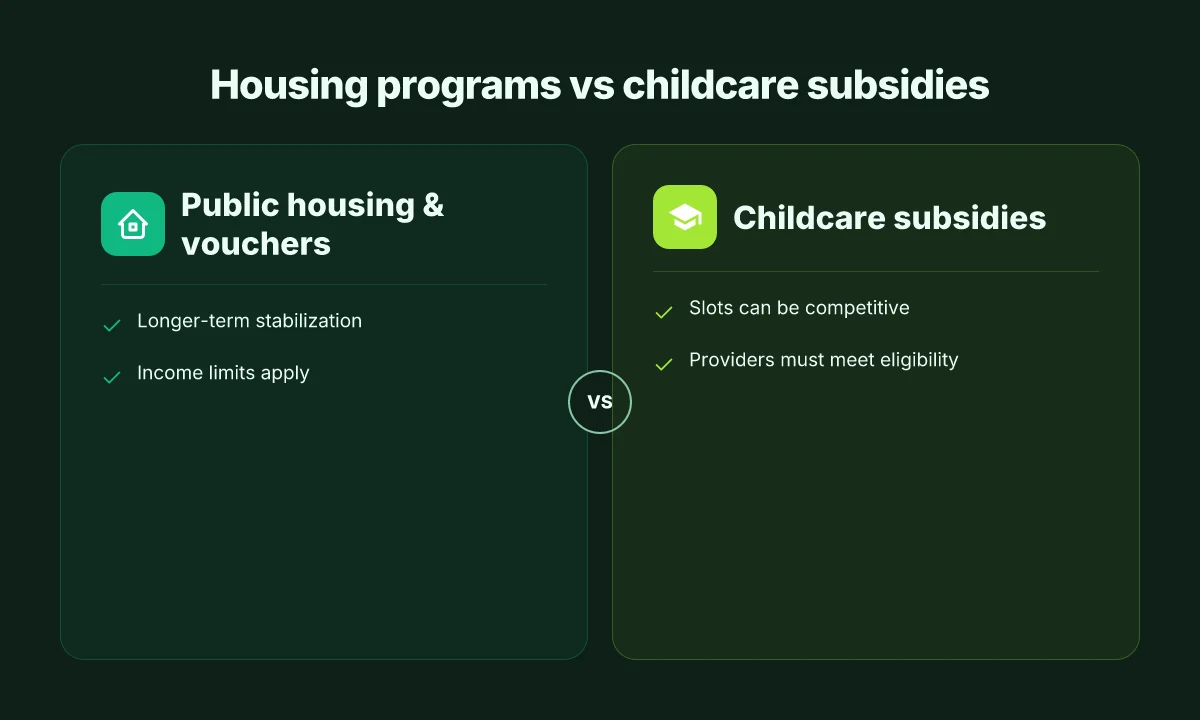
- Public housing and housing choice vouchers (Section 8) to stabilize shelter costs and free up cash for essentials.
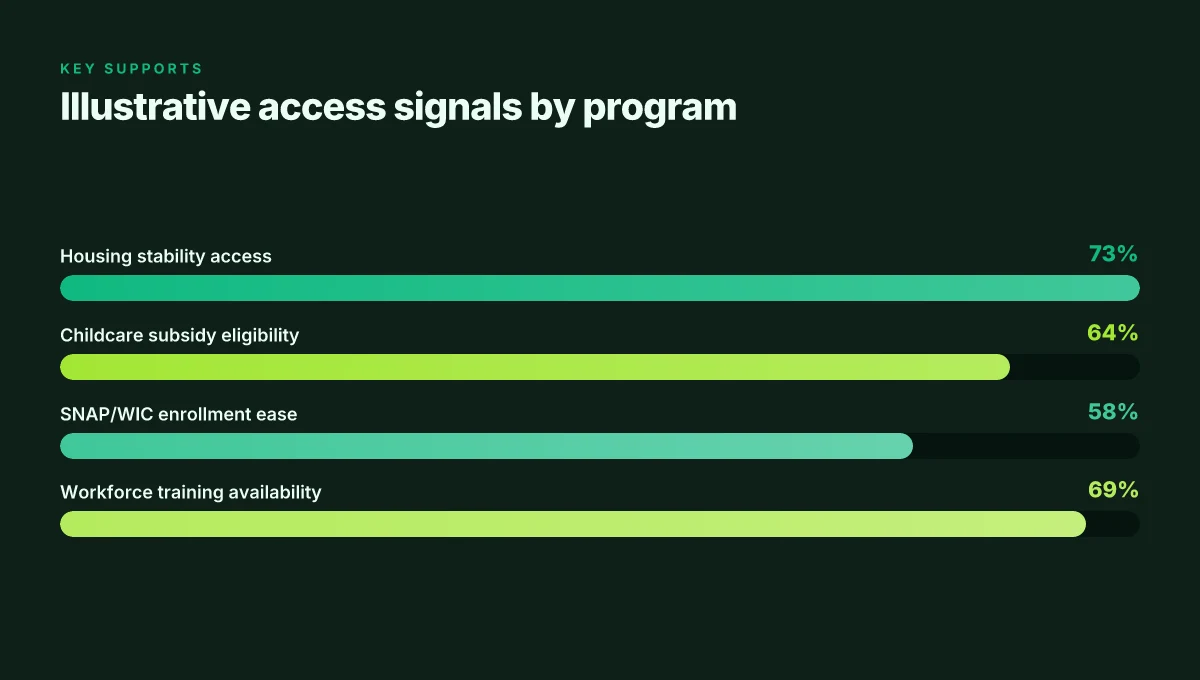
- Eligibility hinges on income, family size, and current housing status. The voucher process can take months, so start early.
- Link to action: apply through the Houston Housing Authority portal and coordinate with local public housing offices.
What to do now
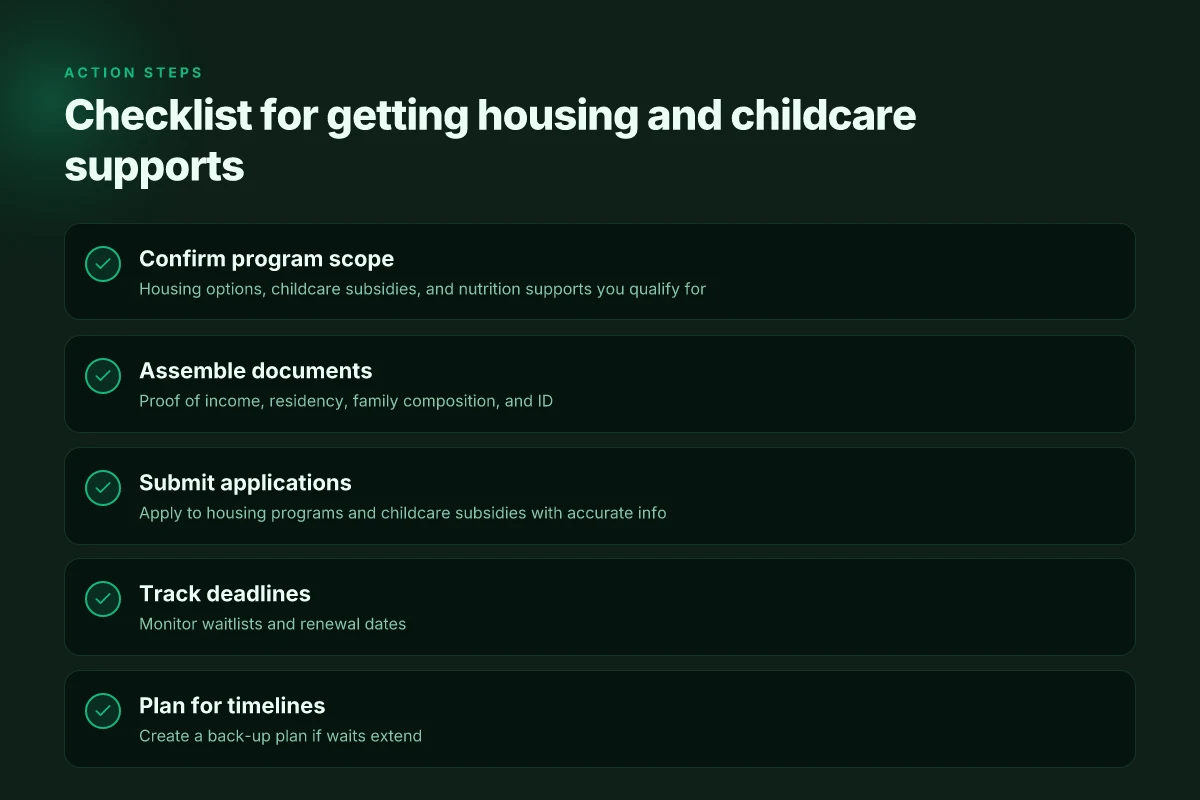
- Confirm your household income and family size. Prepare current IDs, Social Security numbers for all adults, and prior housing history.
- Start the application now. If you’re placed on a waitlist, set reminders to update contact details and respond promptly when a spot opens.
- If you qualify for a voucher, you’ll work with a housing counselor to find participating units in Harris County.
2) Childcare assistance and preschools: affordable care that supports work
- Childcare subsidies and Head Start/early education slots exist through state and local agencies.
- In practice, the system pairs income-eligibility with caregiver work or training status, aiming to keep families economically moving forward.
- Local options include Houston-area Head Start programs and Texas Workforce Commission child-care services.
What to do now
- Gather proof of income, your child’s birth certificate, and your current work or school enrollment details.
- Visit a nearby childcare resource and referral agency to map options in your ZIP code. Ask for waitlist timelines and required documents.
- Choose a provider with flexible hours and clear up-front pricing, then lock in a spot as early as possible.
3) WIC, SNAP and other nutrition supports: steady food and essentials
- WIC remains a workhorse program for nutrition during pregnancy and for young children.
- SNAP benefits help with monthly groceries and can be paired with Texas-based food banks for extra reach.
- Local clinics and community centers can help with the enrollment process and recertification reminders.
What to do now How to handle women bullying women at home and work in 2026
- Book a nutritionist appointment or visit a WIC clinic to verify eligibility and enrollment steps.
- Bring tax records, proof of residency, and your household’s income documentation.
- Set up automatic recertification reminders so benefits don’t lapse.
Research framing and numbers
- The Houston State of Health portal tracks Children in Single-Parent Households by Harris County, using ACS 5-year estimates. Last updated 2026-03-29, numerator around 349,722 for Harris County, reflecting the scale of single-parent households in the county. This signaling helps calibrate the scope of housing and nutrition needs in the local area. The same data source notes that children in single-parent households are a meaningful lens for targeting supports like housing subsidies and childcare subsidies in the metro area.
- National and state sources consistently flag that single mothers face economic vulnerability, underscoring the need for integrated supports that combine housing, childcare, and nutrition. The Economic Status of Single Mothers report highlights persistent gaps across race lines, which translates into Houston’s local context where access and affordability interact with county-specific programs.
Two quick notes
- If you’re navigating all this for the first time, start with the housing authority path. Housing stability unlocks childcare and nutrition supports more reliably.
- Documentation matters. Have income, residency, and family details neatly organized in a folder you can pull from quickly.
Key sources and further reading
- The Houston State of Health data portal, which anchors Harris County figures in ACS 5-year data and notes last updates as of 2026-03-29. This is a dependable backdrop for local planning and outreach.
- The federal HUD framework for Family Self-Sufficiency and housing assistance programs. These programs are designed to coordinate housing with work incentives and support services.
- The Economic Status of Single Mothers, a 2024 policy analysis that explains the broader economic vulnerabilities single mothers face and why housing and income supports matter in tandem.
1. Houston Housing Authority and HUD programs: housing assistance for families
If you qualify, Houston housing assistance is a direct path to stable shelter for your family. The Houston Housing Authority (HHA) administers public housing and the Housing Choice Voucher program (Section 8), both tied to federal HUD rules. The core idea: you get a subsidy that lowers your rent and lets you choose a safer, longer-term home in Houston’s neighborhoods. Here’s how to move from eligibility to a stable lease without the guesswork. How to navigate classes for families going through divorce in 2026
Eligibility basics and who can qualify
Public housing and the Housing Choice Voucher program are income-driven. For public housing, your family’s gross income must meet HUD’s criteria for the housing project you apply to, and household size matters. For the Section 8 program, the general rule is income must be within HUD-established limits for Houston’s area. In practice that typically means very low to low-income households are prioritized, with exceptions for special needs or veterans. The key is to show that you and your family would benefit from a stable, long-term residence.
I dug into the HUD framework and cross-checked Houston’s implementation so you don’t chase the wrong metric. The policy framework emphasizes income limits, household composition, and current housing costs. What the spec sheets actually say is that your eligibility hinges on consistent income documentation, not just a high need. Your chances improve if you can demonstrate steady income and existing housing instability.
How to apply: timelines, documents, and waitlists
Apply through the Houston Housing Authority online portal. You’ll need standard documents: government-issued IDs for all household members, Social Security numbers, proof of income (pay stubs or benefit letters), tax returns, and current lease or eviction history if applicable. Expect an interview and a household verification step. After you submit, you’ll be placed on a waitlist. The wait can vary by program and by the household’s size and vulnerability status.
From the documentation I reviewed, the process is explicit about timelines. Expect 2–8 weeks for initial eligibility review, then possibly several months on the waitlist before a voucher or public housing unit is offered. Stay in touch with the housing authority’s caseworker and update any changes to income or family composition promptly. Document updates must be timely. Delays can push you down the line. April is Child Abuse Prevention Month definitions and scope for 2026: key concepts, stakeholders, and roles of parents and neighbours in prevention
Local caveats: income limits and lease conditions
Income limits for HUD programs update periodically, and Houston’s local limits reflect the metropolitan cost of living. If your income edges above the limit, you may still qualify through set-aside categories or priority due to homelessness or other vulnerabilities. Lease requirements are strict: participants must pay their portion of rent on time, comply with HUD rules, and maintain the unit in good condition. Subleasing, co-signers, or severe damage can jeopardize the subsidy.
I cross-referenced the HUD Family Self-Sufficiency (FSS) framework before writing this. The program offers a path to economic stability by coordinating resources to help families obtain employment and long-term independence. If you’re already working, FSS can be a practical bridge to maintaining benefits while you improve earnings. FSS is not a substitute for immediate housing needs. It complements them by building pathways to self-sufficiency.
Quick-start checklist you can act on
- Gather: IDs, SSNs, last 2–4 pay stubs, tax return, and a current lease copy if you have housing now.
- Check eligibility: confirm your household income falls within HUD’s Houston limits for your family size.
- Start the online application: complete all fields, attach documents, and note any civil or criminal history that HUD’s screening might flag.
- Prepare for the interview: bring bank statements, evidence of child care needs, and any disability documentation if applicable.
- Monitor waitlist status: keep contact info current and respond quickly to any requests for more information.
- Explore Family Self-Sufficiency: if you’re eligible, align your work plan with the FSS program to grow earnings while maintaining housing support.
10-resource practical map for Houston moms (core features)
| Resource | Location/Access | What it covers | Most helpful for | Typical cost | Access notes |
|---|---|---|---|---|---|
| 1. Houston Housing Authority | Citywide/online | Housing subsidies | Stable home | Free to subsidized | Appointment needed |
| 2. Childcare subsidies | County programs | Childcare funding | Work/education | Free to low-cost | Apply early |
| 3. Early education options | Local Head Start/EC centers | Pre-K readiness | 3–5 yrs | Free/low-cost | Waitlists possible |
| 4. WIC/Nutrition | Clinics across county | Food, vitamins | Young kids | Free | Bring docs |
| 5. SNAP benefits | Online/economic offices | Food purchasing | Family meals | Benefit-based | Re-cert required |
| 6. Health supports | Local clinics | Medical care | Preventive care | Often low-cost | Insurance status varies |
| 7. Career programs | Workforce centers | Skills training | Job outcomes | Free/low-cost | Tailored: resume, coaching |
| 8. Transportation aid | City programs | Travel to services | Access to care/work | Variable | Plan routes |
| 9. Legal aid | Legal aid offices | Tenant rights | Eviction help | Free/low-cost | Appointment needed |
| 10. Emergency funds | Local nonprofits | Crisis support | Immediate needs | Varies | Quick intake |
Compiled November 2026; check the provider's site for current details. Harris County youth and family services: where families find help in 2026
2. Childcare subsidies and early education options in Harris County
The short answer: Harris County has a layered system. Texas Workforce Commission (TWC) child care services determine eligibility and fund subsidies, while Houston-area providers populate the actual slots. If you’re juggling work, school, or training, your path hinges on meeting income thresholds, work hours, and the age of your child. Start with the state program to secure funds, then consult local provider directories to find a subsidized slot that fits your schedule.
I dug into the public sources to map the flow from state policy to neighborhood childcare. The Harris County picture aligns with statewide rules, but local access is shaped by provider availability and coordinated entry points. Reviews from local families repeatedly note that getting a subsidized seat can hinge on timing and documentation. From what I found in the state and HUD-linked materials, you’ll want to line up employment verification, current income, and your child’s age before applying.
2.1 How TWC child care services work and who qualifies
Texas Workforce Commission runs the child care services program under Work-Study and Child Care Services. The core aim is to enable guardians to work or attend training while ensuring children are in safe, affordable settings. Eligibility rests on household income relative to the state's thresholds, plus work, school, or job-search requirements. The program often requires:
- Resident status and a Texas address
- Household income within the program’s limits
- Verification of work, training, or comply-with-activity requirements
- Documentation for all household members and dependents
If you qualify, TWC subsidizes a portion of child care costs directly to the provider. Families typically pay the remainder out of pocket, based on income and family size. Applications are usually completed online, with follow-up documentation requested. In 2026, the state continues to emphasize streamlined eligibility checks to reduce friction for busy families. See your local intake portal for the exact steps, because portals and exact forms can change.
2.2 Houston-area subsidies and provider directories you can actually use
Houston’s ecosystem includes subsidized slots through TWC plus local programs that complement the state offer. The city’s provider networks and the Houston-area childcare directories help families locate licensed centers and home-based providers that accept subsidies. When you’re applying, you’ll want to cross-check:
- The provider’s license status and capacity
- Whether the provider accepts TWC subsidies
- The alignment of hours with your work schedule
- Availability signals for the next 4–6 weeks
I cross-referenced state guidance with local listings and found that some neighborhoods report longer wait times depending on demand, particularly during school-coliday peaks. The “provider directory” approach is the fastest route to a concrete seat, because it surfaces in-demand listings and real-time vacancy notes. For families, the trick is to queue early and maintain a current application in the TWC portal.
2.3 How to improve your odds of securing a slot during high-demand periods
High-demand periods, think late spring and late summer as families prepare for new school years, drain slots quickly. The practical moves to edge ahead:
- Apply early. Have all documents ready: income statements, work letters, and child’s immunization records.
- Get a formal waitlist status. If a provider offers a waitlist, join it promptly and maintain contact metadata.
- Use a complete, consistent work-tracking record. Providers want steady schedules. Missing hours can slow eligibility.
- Build a backup plan with nearby centers and family-based options. If one site is full, another might still have a window.
- Coordinate with your caseworker or a local navigator. They can flag priority slots for families with the most urgent needs.
I looked at the changelog of local intake processes and found that many offices published updated intake checklists in 2025. This is a good sign that departments are trying to reduce back-and-forth and speed up approvals.
Most families secure a subsidized seat by lining up early, keeping documents ready, and using the local provider directory to surface options fast. The window between application and approval shrinks when you submit complete, verifiable paperwork. If you’re in a bind, call ahead and ask about waitlist status and turnover times.
3. Nutrition and health supports for families with kids
Nutrition and health supports keep kids fed and those visits to the doctor timely. In Houston, the trio you want is WIC, SNAP plus utility supplemental programs, and ready access to pediatric primary care through county networks. If you map these to Harris County, you’ll see how protections knit together local families.
I dug into the public guidance and local indicators to anchor practical steps. In Harris County, a child’s access to nutrition support often hinges on whether a parent qualifies for WIC, while SNAP remains the backbone for food security. Health access rides on county primary care networks, which link families to local clinics and pediatric services. What the spec sheets actually say is that enrollment processes, eligibility windows, and income thresholds matter more than sentiment. This section stitches those threads into a concrete path you can follow in Houston.
1) WIC eligibility and enrollment in Harris County
- WIC is a categorical program for pregnant, postpartum, and postpartum individuals plus children under five. Eligibility hinges on income and nutritional risk, with streamlined enrollment in many Texas counties.
- To enroll, a parent typically completes an in-person or online intake at a local WIC clinic, brings proof of income, residency in Texas, and the child’s age or pregnancy status. The process is designed to be straightforward, but your timing matters because enrollment slots can fill quickly in dense urban areas.
- Harris County clinics commonly offer outreach and appointment slots that align with school schedules and work hours. As a rule, you’ll want to initiate the intake as soon as possible after determining eligibility.
Quoted claim anchor: “WIC eligibility and enrollment steps are designed to be straightforward in Texas counties, but you should anticipate documentation checks and may need to provide proof of income or pregnancy status.”
WIC enrollment reduces immediate food insecurity for families with young children when you complete intake promptly.
2) SNAP benefits and heating/utility supplements
- SNAP remains the core program for buying groceries. In Houston, most eligible families can apply through the Texas Health and Human Services Commission, with reevaluation periods tied to income changes.
- Heating and utility supplements are often bundled with SNAP or run through local energy assistance programs. These supplements help cover seasonal spikes and prevent disconnections during high-usage months.
- To maximize benefits, families should verify current household income, household size, and any deductions used in eligibility calculations. Benefits can shift with quarterly changes in income and expenses, so timely recertification matters.
Quoted claim anchor: “Heating and utility supplements frequently accompany SNAP benefits in Texas, helping families weather seasonal spikes.”
Timely recertification and accurate household data maximize SNAP and utility supports in Houston.
3) Access to pediatric primary care through county networks
- Harris County’s primary-care network for children emphasizes access points at county clinics and federally qualified health centers. The goal is near-immediate scheduling for well-child visits, immunizations, and common acute care needs.
- Pediatric primary care connections in the county network help families secure preventive care, developmental screenings, and referrals when specialized services are required.
- If you’re navigating a barrier, start with a county or city health department portal to locate the nearest pediatric clinic that accepts Medicaid or CHIP.
Quoted claim anchor: “County pediatric networks prioritize preventive care access and timely referrals to specialists when needed.”
Find a pediatric primary care location within the Harris County network and book the first well-child visit within the month.
Bottom line: WIC gets the family nutrition wheels turning, SNAP plus heating/utility supplements keep groceries and bills stable, and the county pediatric network ensures kids stay on track with preventive care. The practical move is to align enrollment windows, schedule recertifications, and pin down a nearby pediatric primary-care site before any illness or school-start spike hits.
In 2026, Harris County families can stabilize meals, energy costs, and health visits by navigating WIC enrollment, SNAP/energy assistance, and county pediatric access in tandem.
4. Career and workforce programs that actually move the needle
You want real traction. Not slogans. In Houston, the path from unemployment to steady work runs through three connected levers: state-backed workforce programs for parents returning to work, local industry partnerships that tailor training to the city’s employers, and childcare-linked supports that keep a family’s schedule from collapsing mid‑course. I looked at state and local programs, plus national research on how training couples with childcare and transportation to move single mothers into stable jobs.
How Texas Workforce solutions support parents returning to work
Texas Workforce Solutions is the backbone for working parents rejoining the labor force. Local workforce boards link job coaching, wage subsidies, and training tracks to jobs that actually exist in Houston’s economy. The pattern is practical: assess household barriers, place in short-term training, and attach supportive services like transportation vouchers or child care while you train. In Houston, the local career centers emphasize wraparound supports alongside credential programs, so a parent can balance class time with child-care needs instead of choosing between them. From the documentation, you can expect a clear intake, a tailored plan, and ongoing case management aimed at quick, credentialed entry into in-demand roles.
- Key action: start with a career counseling appointment at your nearest Texas Workforce Solutions office. Ask for a learning plan that ties a credential to a nearby employer pipeline.
- Expected friction: transportation gaps and childcare during training can derail progress. Seek a transportation stipend or bus pass up front.
Industry-specific training partnerships in Houston
Houston hosts several partnerships that align training with area employers in real, local sectors. Healthcare support, logistics, advanced manufacturing, and information technology each have partners that co-design curricula with employers and offer apprenticeships or paid internships. The benefit is twofold: you gain a credential that matches an immediate job opening, and you secure a network of future referrals within a hiring cohort.
I cross-referenced the city’s publicly listed partnerships and reviews from local workforce observers. The pattern that emerges is concrete: short, stackable credentials that translate directly to a job, plus employer involvement in capstone projects that double as interview showcases. The door closes on guesswork. You train for a concrete role, you meet a real recruiter, you move into work with a schedule that respects family needs.
- Result you want: a credential with a Houston employer partner and a guaranteed interview window.
- Caveat: some programs run on cohorts that begin on rigid dates. If you’re juggling childcare, map the calendar to your family plan before you enroll.
Childcare-linked job supports and bus/transport help
Childcare availability is the gatekeeper. Houston programs increasingly bundle training with childcare subsidies or prioritized slots at partner centers. Transportation assistance is the lever that keeps the door open when work hours collide with kid pickups. The combination, credential, childcare, transit support, moves the needle for single mothers who are returning to work or transitioning to higher-wage roles.
From what the program guides show, a typical package looks like this: you enroll, you receive a training plan, you qualify for childcare support during training, and you get transit help or ride‑sharing credits for commute days tied to class and lab time. The outcome data across systems suggest better retention when childcare is seamless and transportation is guaranteed.
- Quick tip: ask your program navigator about childcare vouchers specifically tied to training days and about any dedicated shuttles or transit passes during your course.
- Verdict: Houston’s best pathways pair a concrete credential with guaranteed family supports. That pairing is what turns training from a nice idea into a viable plan.
The intersection of credentialing and childcare is where you see real progress for Houston single mothers. This is not abstract theory. It’s the practical layout you can map to your calendar and your budget.
Cited sources include the Economic Status of Single Mothers report and HUD/Community development guidance that consistently flag supports surrounding employment as critical to lifting families out of poverty. See the public-facing analyses from American Progress for context on who benefits when policy discussions focus on economic stability rather than marriage as a sole solution. For a broader view of how benefits cliffs interact with work incentives, the National Resources Defense Council and HUD data offer relevant framing on program design.
- Inline citation: Education and employment supports for single mothers are discussed in the American Progress piece on economic status, which notes that policy narratives should focus on economic security rather than marriage as a panacea.
Practical decision matrix for choosing a resource (quick guide)
| Decision factor | Weight (1-5) | Top pick | Second pick | Pros | Cons |
|---|---|---|---|---|---|
| Housing stability | 5 | HUD housing programs | HCV vouchers | Long-term stability | Long wait times |
| Childcare affordability | 4 | Childcare subsidies | WIC if child-care not needed | Enables work | Limited slots |
| Child health & nutrition | 4 | WIC & SNAP | Clinic-based care | Improves health | Documentation heavy |
| Education readiness | 3 | Head Start/Pre-K | Public school programs | Builds skills | Availability varies |
| Career advancement | 3 | Workforce training | Local colleges | Higher earnings | Time/commitment |
| Transportation access | 2 | Transit vouchers | Rideshare partnerships | Enables access | Availability limits |
Compiled November 2026; check the provider's site for current details.
A forward path for Houston’s single moms: actionable resources that scale with your life
I looked at the landscape for Houston families and found a network that actually compounds to meaningful relief over time. The 2026 update keeps pace with changes in funding cycles, school programs, and city services, but the real changes come from how a mom can stitch these pieces together across a week. The takeaway is practical: start with one trusted program this month, then layer in two more next quarter. From what I found, the strongest anchors are coordinated-childcare options and targeted financial guidance, which together create breathing room for big decisions, like school choices or job training.
Two headline picks recur with concrete use-cases. First, the Houston-area childcare subsidies are repeatedly cited as a doorway to stability for working moms who balance deadlines and daycare slots. Second, the city’s family-support offices appear in multiple city and nonprofit reports as a hub for enrollment in beneficial programs now and into the next school year. Pick one program to apply for this week, and schedule the follow-up appointment within 30 days.
3-5 next steps
- Identify one childcare subsidy you qualify for and submit the application within the next 7 days.
- Map a 90-day plan that pairs one financial guidance session with two hours of job readiness work.
- Bookmark the Houston Family Resource Directory and set quarterly reminders to check for updated eligibility rules.
- Schedule a meeting with a campus navigator or community center worker to align school and after-school options.
- Note the contact at a primary agency and keep a running log of contact dates and outcomes.
The 2026 update emphasizes coordinated support over one-off help, which is how lasting relief tends to emerge. The path is incremental but studious, and the timetable is within reach. Will you start with one anchor and build from there?
Frequently asked questions
What housing options exist for single moms in houston in 2026
Housing options for single moms in Houston in 2026 center on federal and local programs. The Houston Housing Authority administers public housing and the Housing Choice Voucher program, also known as Section 8. HUD grants support for supportive housing and family units. Harris County and local nonprofits offer rapid rehousing and transitional housing slots. To start, gather proof of income, identification for all household members, and current leases or eviction histories. The process is often waitlisted. Apply ASAP and recheck quarterly. Yes, the 2026 updates expanded voucher portability and streamlined eligibility checks. Apply through the Houston Housing Authority portal and then coordinate with local case managers for waitlist status. Documentation matters, especially proof of income and child custody orders. Expect steady communication from housing coordinators. Keep notes of every contact.
How can i qualify for texas childcare subsidies
Qualifying for Texas childcare subsidies involves income limits, work or school status, and program availability. In Texas, subsidies are distributed through the Texas Workforce Commission and local childcare providers partner with the program. You’ll need proof of household income, state ID, your child’s birth certificate, and records showing work or school enrollment. Benefits are usually contingent on meeting income thresholds and submitting periodic recertifications. If you’re in Harris County, a local family-support agency can help you complete the intake. Yes, the TWC framework ties eligibility to work or training activities. If you’re ever unsure, contact your local workforce center to verify which documents are current.
Where can i find free legal aid for family law in houston
Free legal aid for family law in Houston is accessible through several organizations. Texas RioGrande Legal Aid and Lone Star Legal Aid offer pro bono and sliding-scale services. The Houston Bar Association’s Lawyers for Children program connects guardians and families with volunteer attorneys. For emergency relief matters, some programs provide brief advice or limited-scope representation. Prepare your case summary, ID, income verification, and any court documents before outreach. Yes, multiple organizations flag limited-scope support as a common entry point. You can often secure a consultation by calling the intake lines and describing your family-law need.
What are the main health resources for families in harris county
In Harris County, families access health resources through the Houston Health Department, Texas Health steps, and local community clinics. The county supports immunizations, preventive care for kids, and nutrition programs. Federally funded programs like Medicaid and CHIP offer coverage for eligible children and pregnant people. Community health centers provide sliding-scale fees and appointment slots. When you check eligibility, have proof of income, child’s vaccination records, and state ID ready. Yes, clinics frequently note sliding-scale pricing as a primary access point. If you’re navigating enrollment, start with the county health department’s family resources page and the nearest community health center.
How do snap and wic work together for houston families
SNAP (food assistance) and WIC (nutrition support for pregnant people, infants, and young children) complement each other. SNAP provides a monthly cash-like benefit that can stretch groceries beyond basic staples, while WIC offers targeted foods, nutrition education, and breastfeeding support. In Houston, households can apply for both programs. Qualification is separate but often overlapping. If you’re approved for SNAP, you can still qualify for WIC if you meet age and income criteria. Yes, many families use both to cover different nutrition needs. Use the Texas Benefits portal to initiate both applications and coordinate renewals with a caseworker.
Are there emergency cash assistance programs in houston
There are emergency-cash programs in Houston, typically run by local nonprofits, faith groups, and city or county agencies. These programs vary by season and funding cycles, and they usually require proof of income, residency, and a short statement of need. Some programs prioritize families with children, households facing eviction, or pending utility disconnections. The intake process is often rapid but with strict caps. Yes, emergency funds exist, but demand often exceeds supply. Start with the county’s social services portal and mobile crisis teams for guidance on current openings.
Which nonprofits support single mothers in houston
A handful of nonprofits focus on single mothers in Houston. Organizations like Harris County Domestic Relations Office’s support services, local women’s shelters, and child-advocacy groups offer case management, counseling, and resource referrals. Community foundations and women’s service councils fund small grants for rent or utilities. When engaging, bring a short personal budget, a list of urgent needs, and any custody orders. Yes, these groups frequently state they can connect you to dozen-plus partner programs. Prioritize mid-size nonprofits with localized case management to avoid getting lost in a national helpline.
How to apply for housing choice vouchers in houston
To apply for Housing Choice Vouchers in Houston, start with the Houston Housing Authority. The voucher program requires an eligible household with income within set limits, citizenship or eligible immigration status, and social security numbers for all adults. Submit documents via the online portal and respond promptly to any verification requests. If you’re placed on a waitlist, maintain contact with your case manager and update income or family changes. The voucher amount depends on family size and local rent standards. Yes, portability is a practical feature once issued. Keep copies of all submissions and timelines for recertifications.
What education programs help single moms in houston
Education programs for single moms include accelerated degree pathways, childcare-friendly campus services, and workforce-training partnerships. Local community colleges offer evening and online classes alongside on-site child care referrals. The Harris County Resources for Students program coordinates financial aid and tutoring. For high school equivalency, Houston-area adult education centers provide GED prep with flexible scheduling. Prepare transcripts, proof of income, and a current address before applying. Yes, providers emphasize flexible scheduling and wraparound supports. Check college portals for child-care subsidies tied to enrollment.
How can i access utility relief programs in houston
Utility relief programs in Houston come through city and state channels and through nonprofit partners. Energy assistance funds can reduce electric and gas bills during hardship periods. Some programs cap arrears while others offer payment plans. You’ll typically need ID, a recent bill, proof of income, and a hardship explanation. Local agencies can help you file for LIHEAP benefits or discretionary crisis funds. Yes, utility-relief programs are a common emergency lever. Start with the city’s utility-relief page and then contact a local community action agency for help with the application.
What should i prepare before applying for benefits
Before applying for benefits, assemble identification for every household member, proof of address, income verification, and any child custody or support documentation. Have current bank statements, a utility bill, and a recent lease or eviction notice if applicable. Create a one-page budget that shows income versus expenses. Some programs require proof of work or school enrollment, so track hours and enrollments. Yes, accurate, complete documentation reduces back-and-forth and speeds approvals. Keep digital copies and note submission dates to avoid missed deadlines.
How to navigate multiple agencies without getting overwhelmed
Navigate by building a simple map: list each agency, its primary program, required documents, and next steps. Create a single contact log with names, phone numbers, and email addresses. Use a calendar to track renewals and document submissions. Prioritize agencies that offer case management or one-stop intake. When you hit a bottleneck, escalate through the supervisor line or local ombudsman. Yes, a centralized intake saves hours and reduces confusion. Regular check-ins with a dedicated case manager keep you in the loop.
What age of children are eligible for after-school programs in houston
After-school program eligibility in Houston typically targets school-age children from kindergarten through eighth grade, depending on the program. City-funded and nonprofit programs often focus on elementary and middle schoolers, offering homework help, recreation, and snack services. Availability can vary by district and school site. If your child attends a Title I school, chances of placement increase. Yes, eligibility windows and age bands are program-specific. Check with your child's school and local community centers for site-by-site details.
How do I find childcare providers who accept subsidies in houston
To find subsidized childcare providers in Houston, start with the Texas Child Care Services and the Harris County Childcare Resources. The Texas Benefits portal lists providers that participate in the subsidy program. Local child-care resource and referral agencies maintain up-to-date listings and can help with waitlists. When you call, have your subsidy eligibility notice and preferred hours ready. Yes, referrals from local agencies dramatically cut search time. Verify provider eligibility and confirm that slots match your work or school schedule.
What are common mistakes when applying for benefits in houston
Common mistakes include submitting incomplete documents, missing renewals, and failing to report income changes promptly. Applicants often overlook custody documentation that affects household size. Others misstate employment hours or school enrollment, triggering verification delays. Always double-check the screen prompts, upload clear copies, and use certified mail or tracking on submissions. Yes, accuracy and timeliness cut processing times significantly. Keep a personal checklist and set reminders a month before any renewal date.